
User Score
9 votes
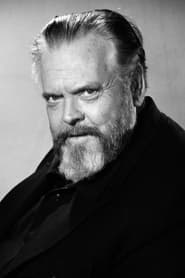
“Our modern technology has achieved a degree of sophistication beyond our wildest dreams. But this technology has exacted a pretty heavy price. We live in an age of anxiety, a time of stress. And with all our sophistication we are in fact, the victims of our own technological strength. We are the victims of shock … of future shock.” No, this isn’t a quote from a Huffington Post column on the Facebookization of modern communication. Nor is it pulled from an academic treatise on the phenomenologies of post-industrial existence. This statement was made by Orson Welles in the 1972 futurist documentary Future Shock, and, unlike some of the more dated elements of 1970s educational films, Future Shock remains shockingly current in verbalizing the concerns and anxieties that come along with rapid societal and technological change. (Indiana University Libraries Moving Image Archive)
Director
Writer
Status
Released
Original Language
EN
“White Boy Rick”, as he was called, was a novelty: A white teenager seemingly running a major inner-city drug operation. In May of 1987, 17-year-old Richard Wershe Jr. was charged with a non-violent, juvenile drug offense. By the time of his arrest he was already a Detroit legend, frequently making front-page headlines and leading the local television news. In this film, gangsters, hit men, journalists and federal agents struggle to explain why he remains in prison at nearly 50 years old. The possible explanation is more stunning than the crimes Wershe was alleged to have committed.