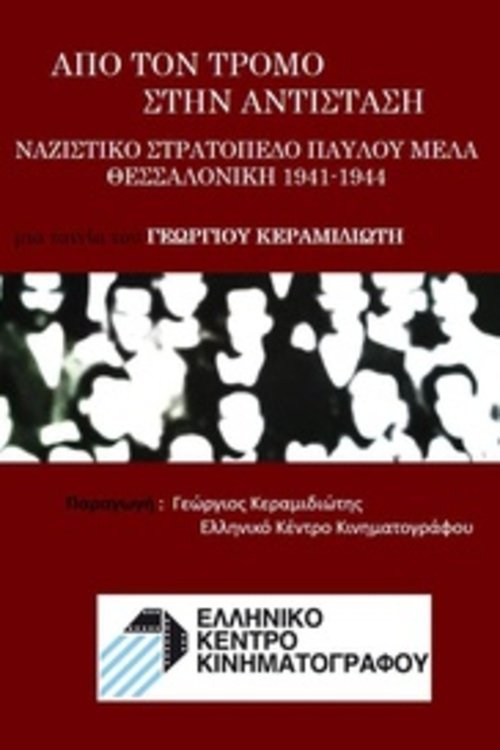

The film narrates events happening in the Nazi camp Pavlos Melas in Thessaloniki, in the wider region of the city and Northern Greece, and in Nazi Germany during the period 1941-44. Just like every war movie includes the army of occupation, executions, battles, and acts of resistance, the themes explored here include prisoners, resistance, enemy partners, and love stories, all seen through the eyes of young people from Germany and Greece who talk about the past and the present.
Director
Screenplay
Status
Released
Original Language
EL
Produced and presented as evidence at the Nuremberg war crimes trial of Hermann Göring and twenty other Nazi leaders, this film consists primarily of dead and surviving prisoners and of facilities used to kill and torture during the World War II.
![Από τον τρόμο στην αντίσταση – Ναζιστικό Στρατόπεδο Παύλου Μελά Θεσσαλονίκη 1941-1944 [trailer]](https://img.youtube.com/vi/hr5ZVhV0-_U/maxresdefault.jpg)