
User Score
0 votes
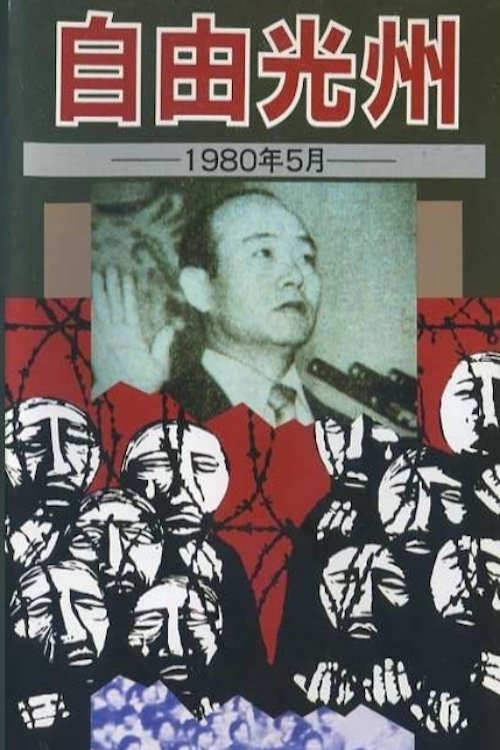
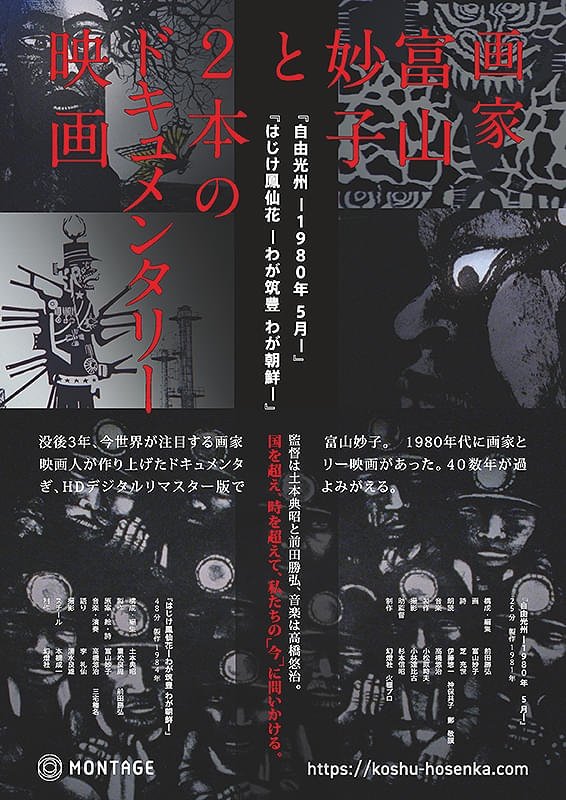
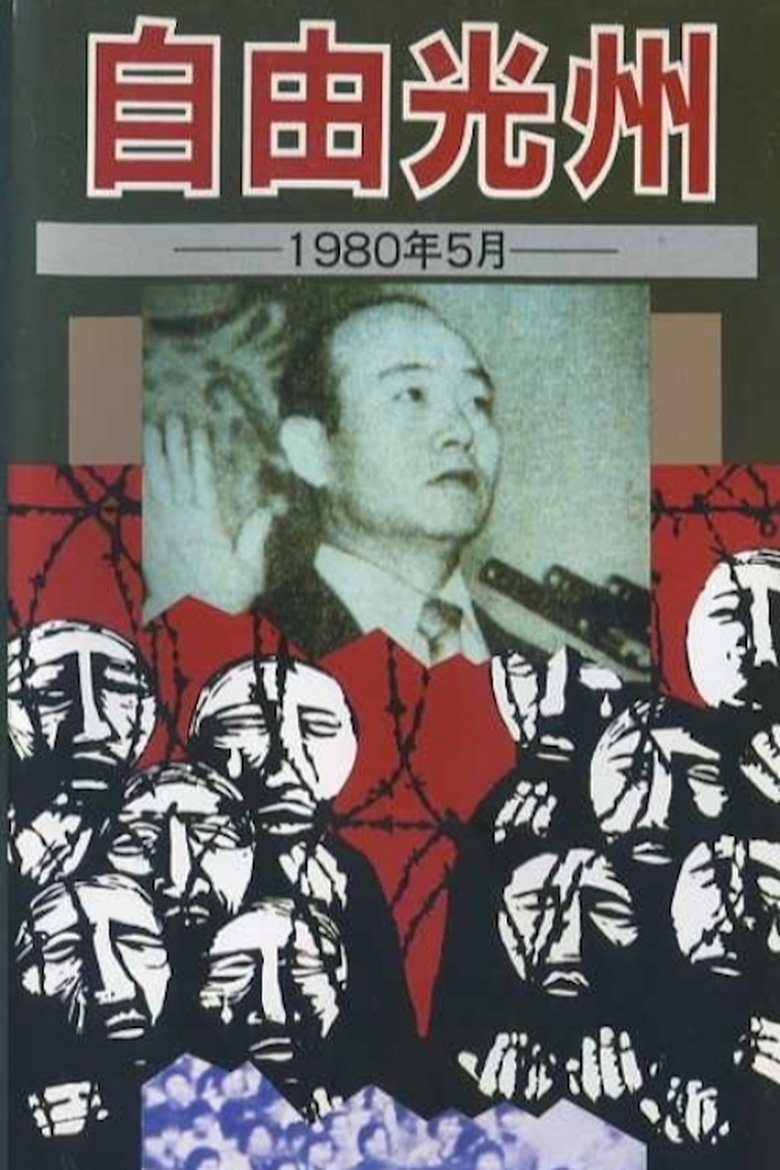
This short documentary was created by painter Taeko Tomiyama—who consistently resisted various forms of injustice around the world through her art—and film director and producer Katsuhiro Maeda, who was inspired by her. The film centers on the Gwangju Uprising that occurred in South Korea in May 1980. The Gwangju Uprising saw the Chun Doo-hwan regime declare martial law and violently suppress student and citizen protests, resulting in many casualties. Tomiyama responded immediately to the tragedy by organizing a traveling exhibition featuring her print series Prayer for the Fallen. Moved by Tomiyama’s intense anger toward the dictatorship and her deep mourning for the victims, Maeda created this film in 1981. Combining news footage that documents the reality of the events with Tomiyama’s print works—unfolding like shadow play—the film powerfully conveys the nature of state violence and human sacrifice. The music was composed by pianist and composer Yuji Takahashi.
Director
Status
Released
Original Language
JA
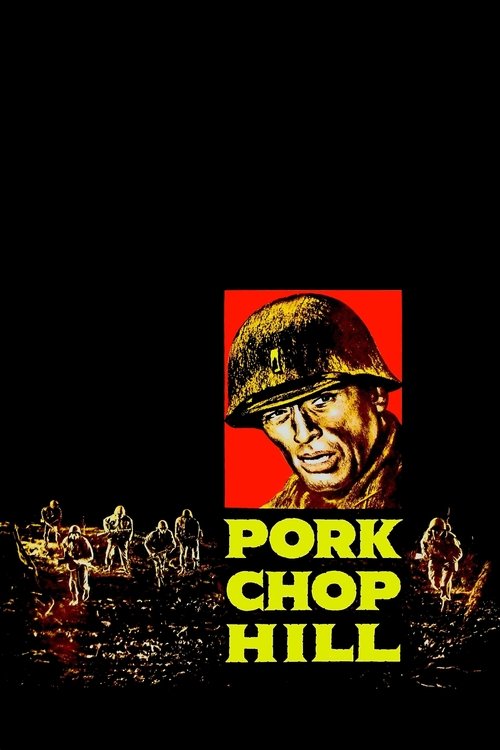
Korean War, April 1953. Lieutenant Clemons, leader of the King company of the United States Infantry, is ordered to recapture Pork Chop Hill, occupied by a powerful Chinese Army force, while, just seventy miles away, at nearby the village of Panmunjom, a tense cease-fire conference is celebrated.