
User Score
0 votes
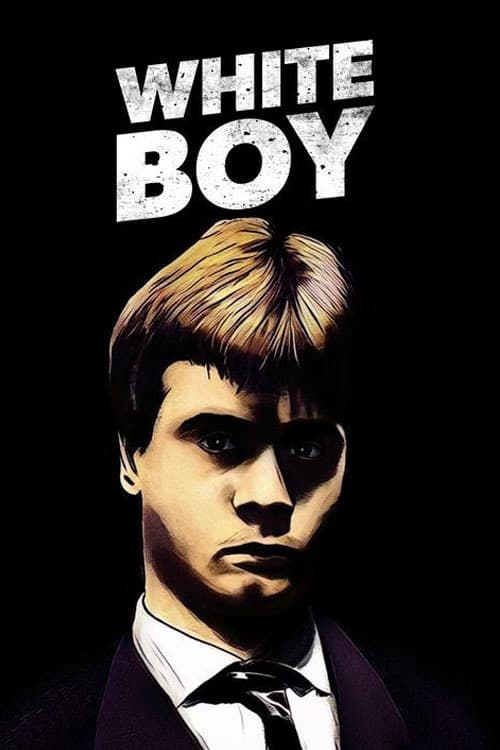
The fate of former juvenile prisoners of fascist concentration camps.
Status
Released
Original Language
RU

When Allied forces liberated the Nazi concentration camps in 1944-45, their terrible discoveries were recorded by army and newsreel cameramen, revealing for the first time the full horror of what had happened. Making use of British, Soviet and American footage, the Ministry of Information’s Sidney Bernstein (later founder of Granada Television) aimed to create a documentary that would provide lasting, undeniable evidence of the Nazis’ unspeakable crimes. He commissioned a wealth of British talent, including editor Stewart McAllister, writer and future cabinet minister Richard Crossman – and, as treatment advisor, his friend Alfred Hitchcock. Yet, despite initial support from the British and US Governments, the film was shelved, and only now, 70 years on, has it been restored and completed by Imperial War Museums under its original title "German Concentration Camps Factual Survey".
“White Boy Rick”, as he was called, was a novelty: A white teenager seemingly running a major inner-city drug operation. In May of 1987, 17-year-old Richard Wershe Jr. was charged with a non-violent, juvenile drug offense. By the time of his arrest he was already a Detroit legend, frequently making front-page headlines and leading the local television news. In this film, gangsters, hit men, journalists and federal agents struggle to explain why he remains in prison at nearly 50 years old. The possible explanation is more stunning than the crimes Wershe was alleged to have committed.