
User Score
1 votes
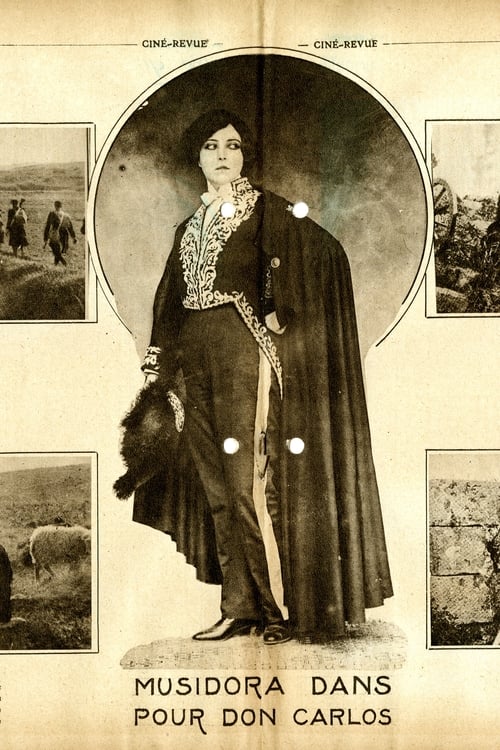
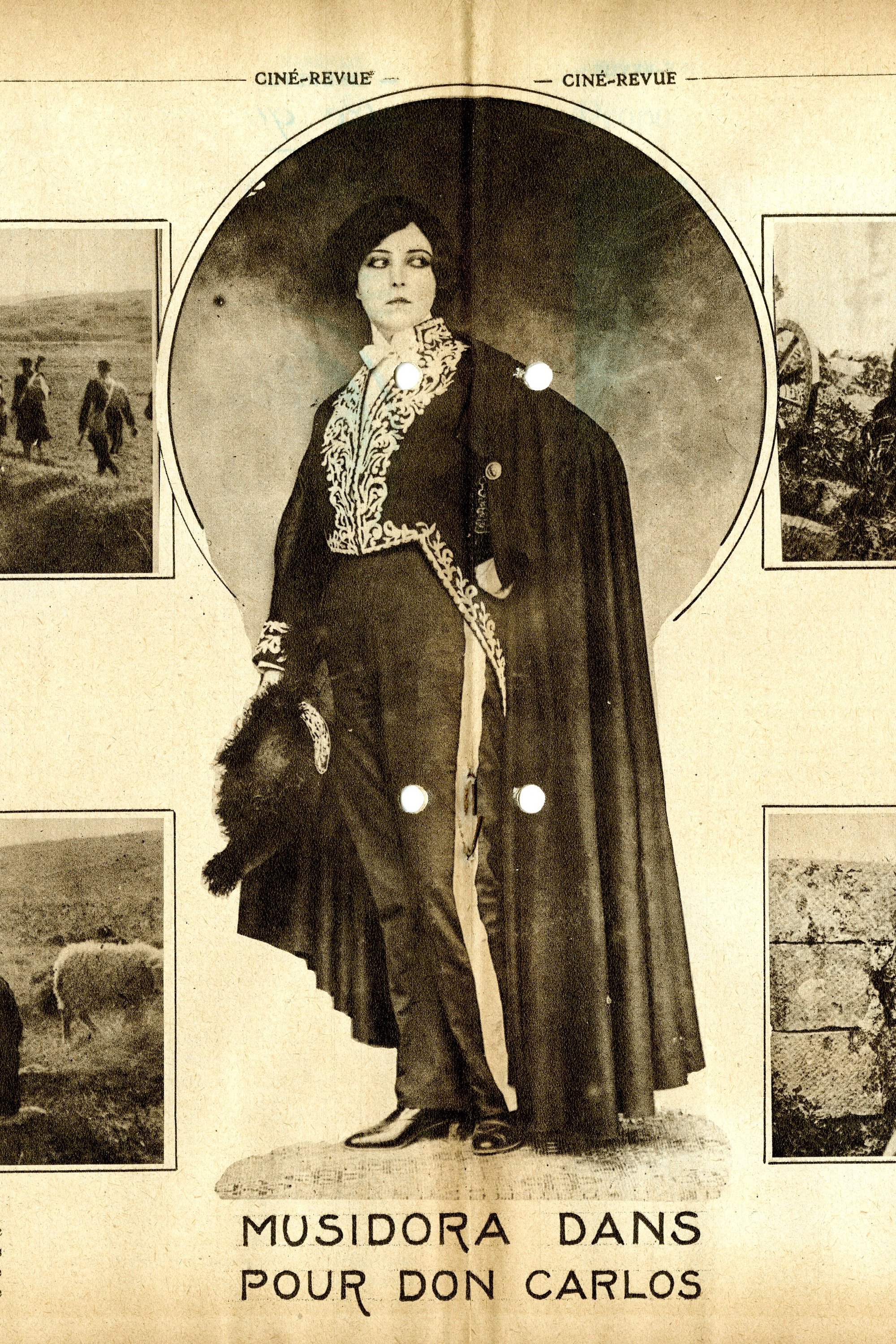
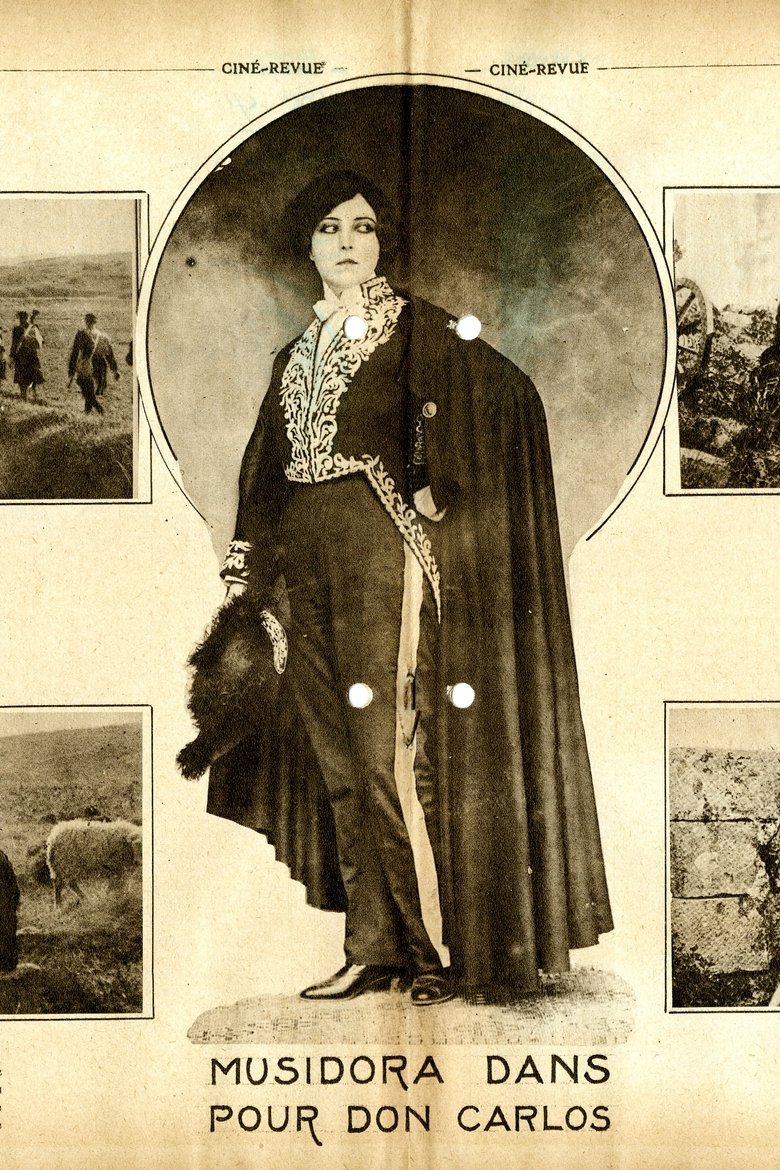
Pour Don Carlos was the biggest production by Société des Films Musidora (est. December 10, 1919). Based on a novel by Pierre Benoît, Musidora’s first creatively autonomous work is set during the conflict between Carlists and Bourbons in late 19th century Spain. Benoît insisted that Jacques Lasseyne, a Spanish grandee who put money into the production, should co-direct. The film was shot in 1920, in the Spanish Basque Country. It represents a turning point in Musidora’s career, sparking her passionate love affair with a country and a culture that welcomed her as a great star. Above all, though, she encountered Antonio Cañero, a bullfighter who acted as her technical adviser on the film. Because of him, she did all she could to ensure that her succeeding productions, until 1926, were shot in Spain. Pour Don Carlos was released in Paris and in Madrid in December 1921, in a shortened version because its original, three-hour length made it impossible to release in the market of the time.
Director
Director
Status
Released
Original Language
FR
In New York City, a young girl is caught in the middle of her parents' bitter custody battle.