
User Score
5 votes
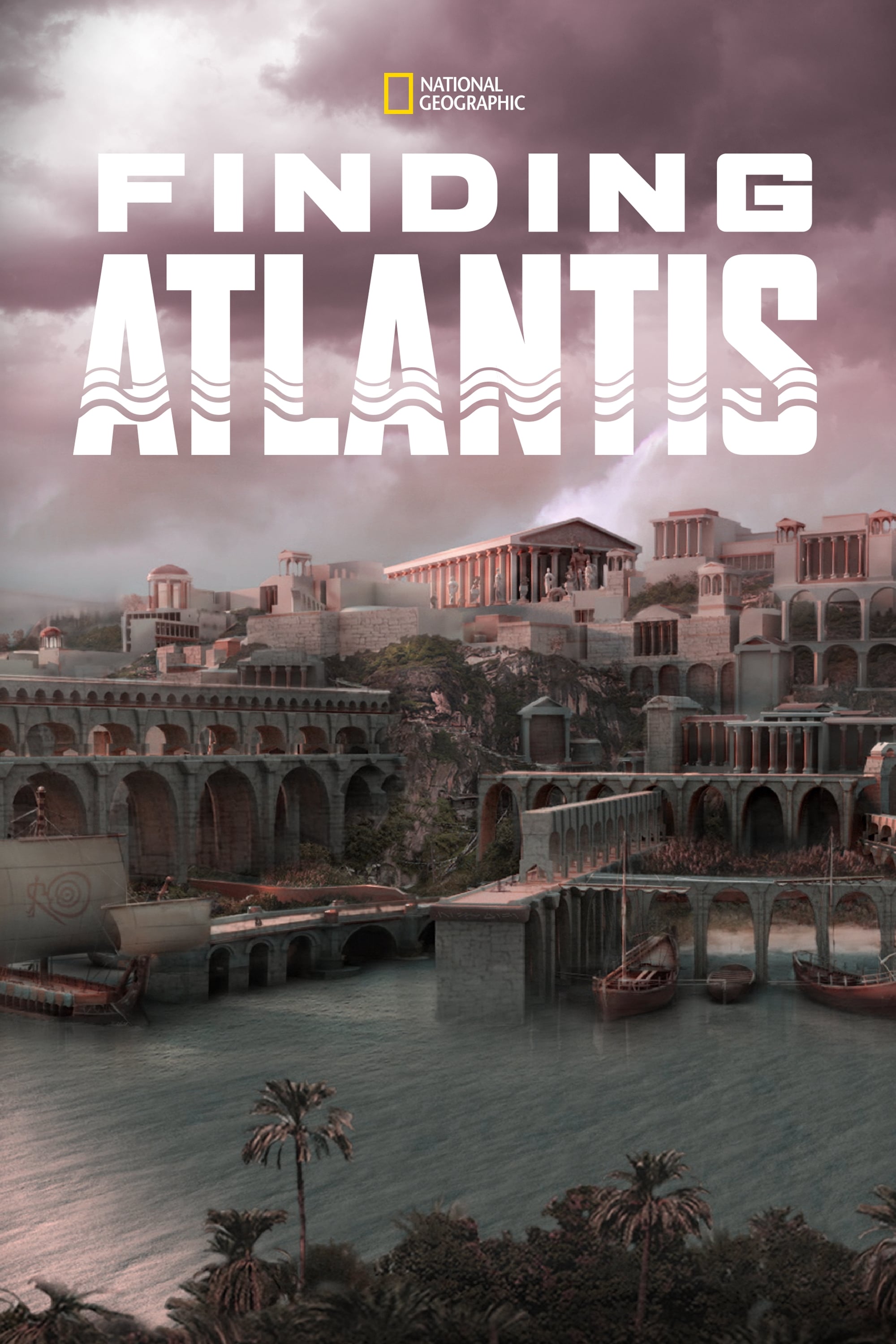
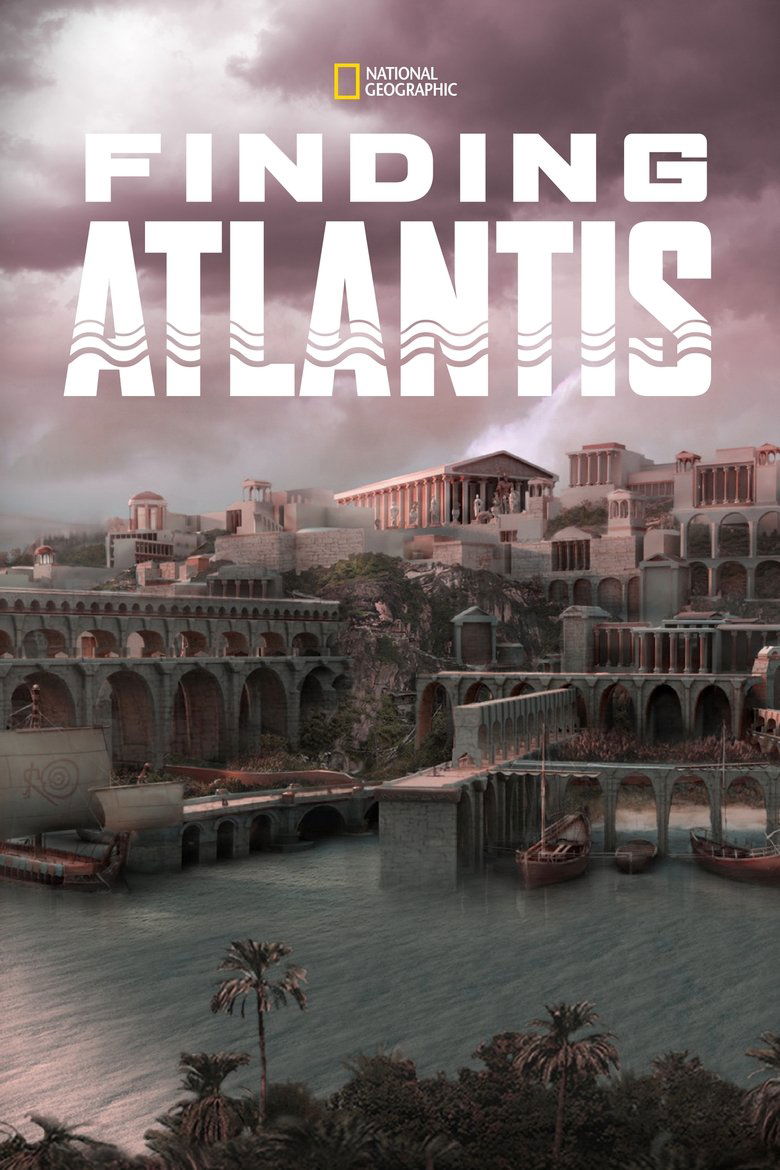
“Could the fabled lost city of Atlantis have been located?”
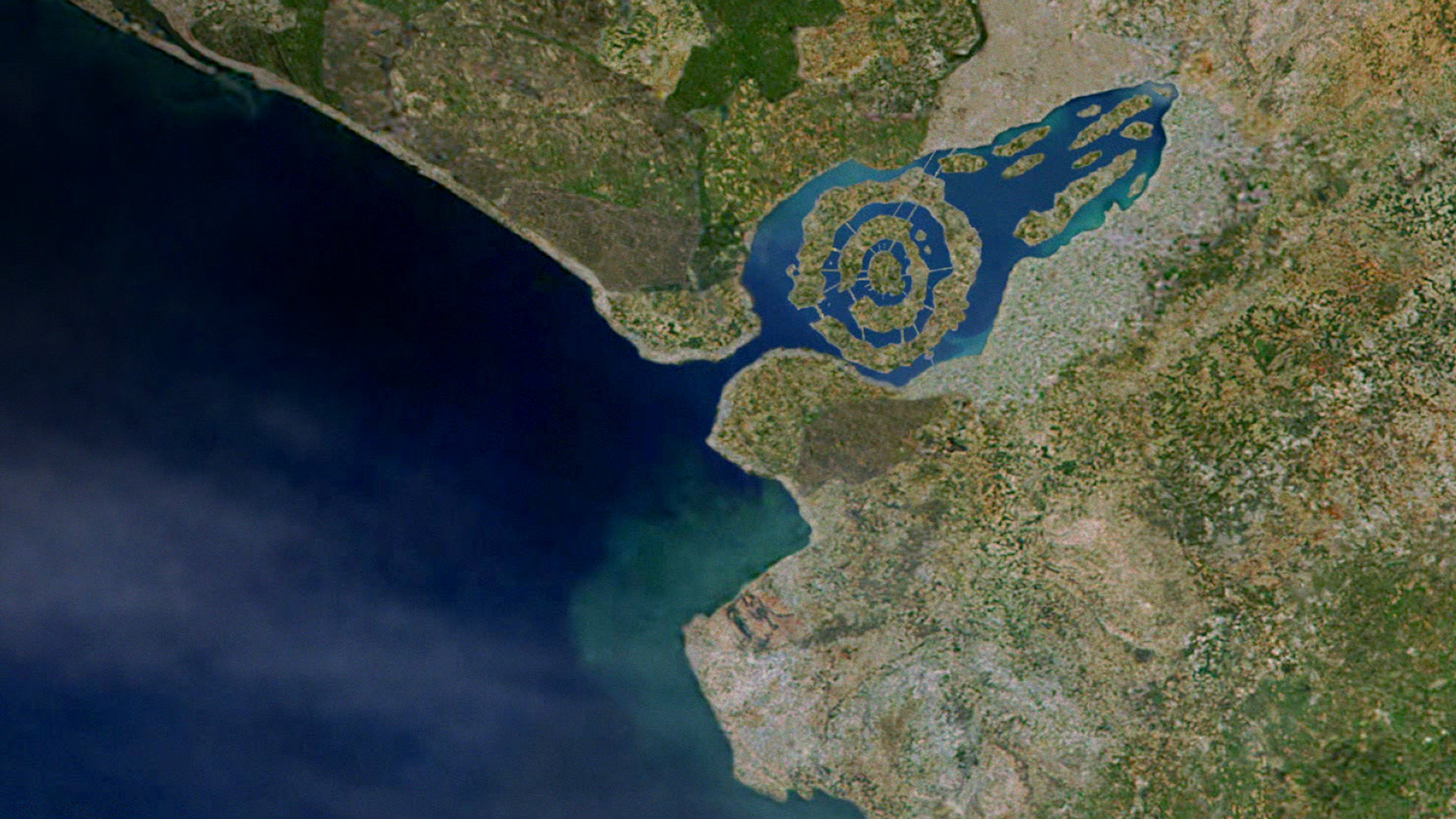
Using satellite photography, ground-penetrating radar and underwater technology, The film, Finding Atlantis, was screened by the National Geographic Channel in the US and fronted by Professor Richard Freund, from Hartford University in Connecticut. Professor Freund explained how he led a pursuit to find the lost civilisation, believed by many to be an ancient Greek myth, by using deep-ground radar, digital mapping and satellite imagery. He contends that Atlantis, described by Plato in 360BC, in Spain's Donaña National Park, north of Cadiz, and was wiped out by a giant tsunami. Plato wrote it had been destroyed by a natural disaster in 9,000BC. Experts are now surveying marshlands in Spain to look for proof of the ancient city.
Status
Released
Original Language
EN
A detailing of the rise to prominence and global sporting superstardom of six supremely talented young Manchester United football players (David Beckham, Nicky Butt, Ryan Giggs, Paul Scholes, Phil and Gary Neville). The film covers the period 1992-1999, culminating in Manchester United's European Cup triumph.