
User Score
1 votes
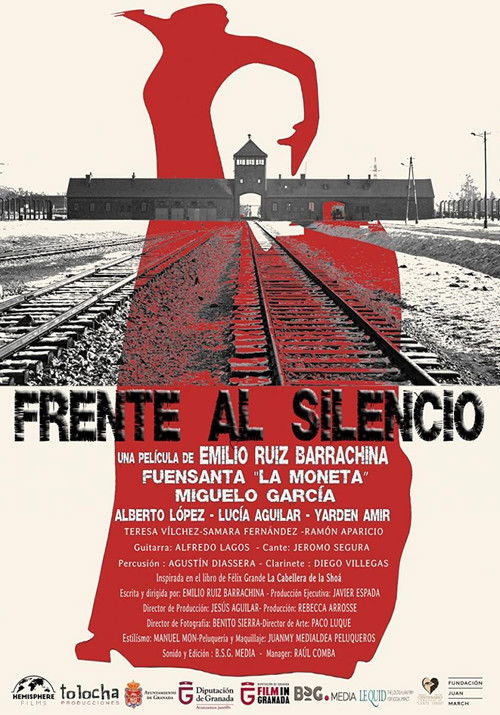
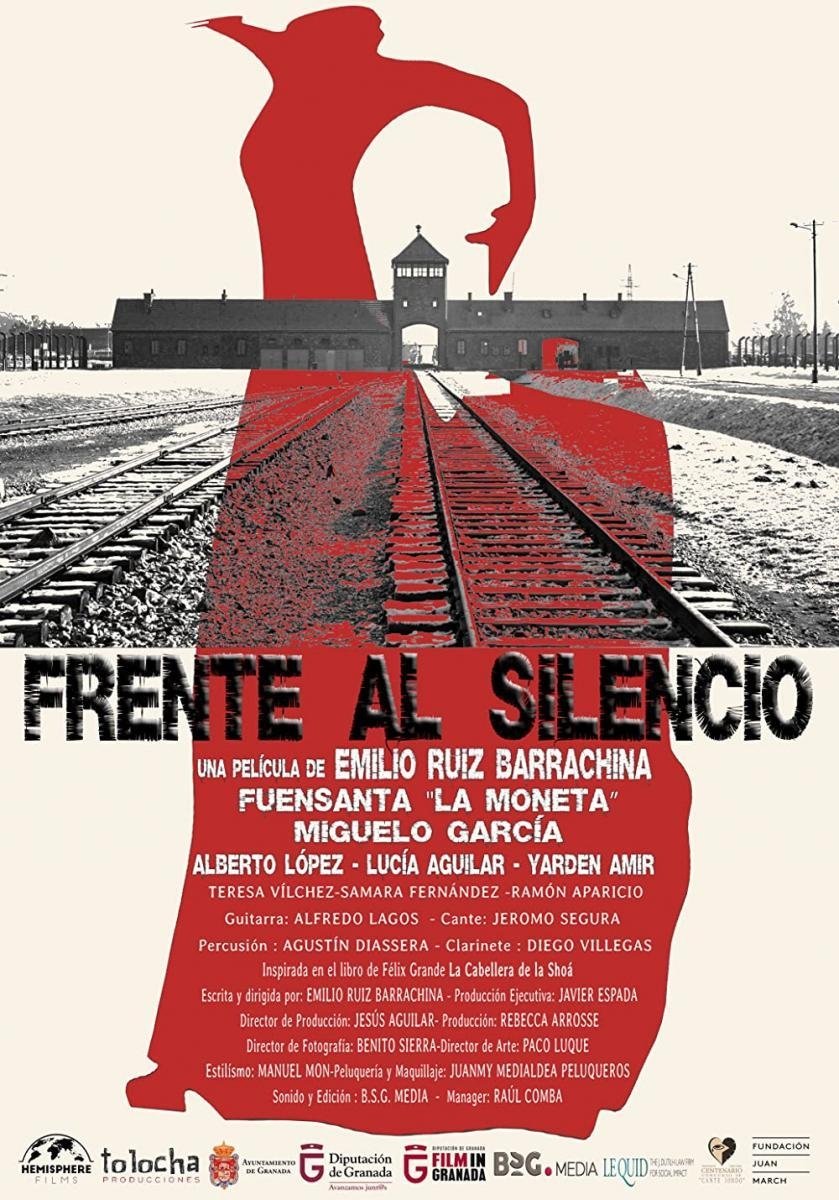
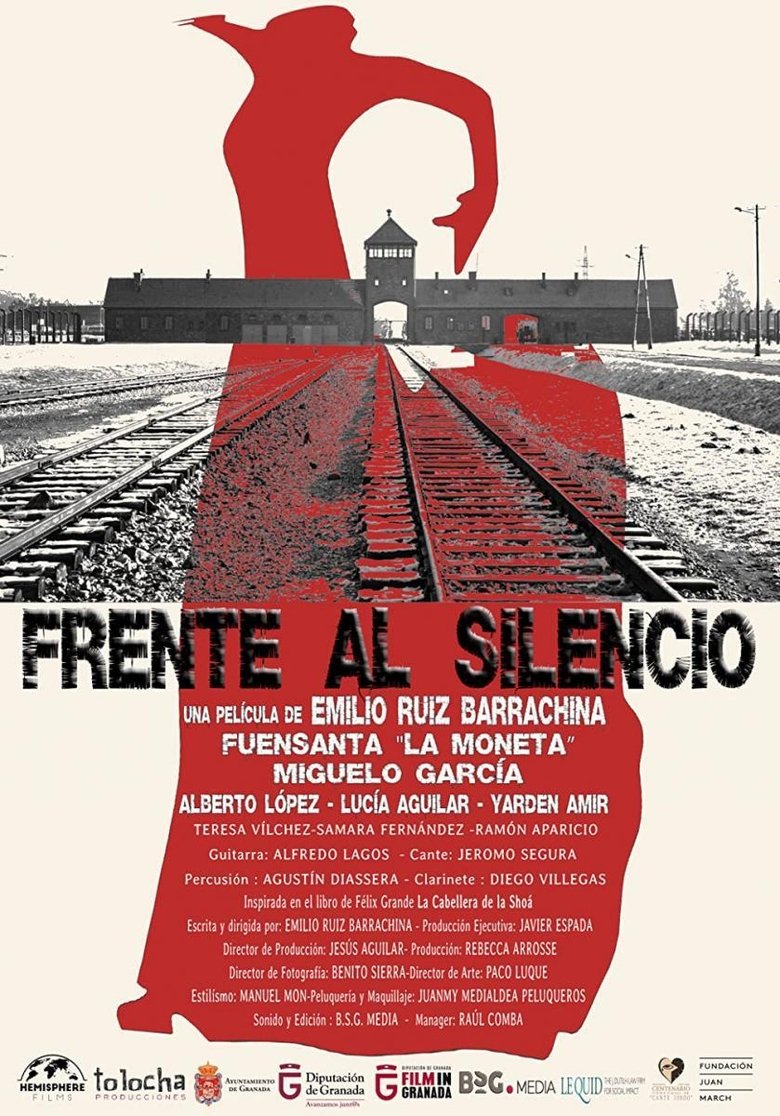
Acclaimed flamenco choreographer and dancer Fuensanta La Moneta is working on a new show when one of her students gives her a copy of Félix Grande’s poetry collection La cabellera de la Shoá. Written by Grande after his visit to Auschwitz, Fuensanta can’t stop thinking about those women —Jewish and Gypsy alike— who lost their lives in the concentration camp. The poems inspire her to create a piece that remembers these women through music, dance and poetry.
Director
Status
Released
Original Language
ES

When Allied forces liberated the Nazi concentration camps in 1944-45, their terrible discoveries were recorded by army and newsreel cameramen, revealing for the first time the full horror of what had happened. Making use of British, Soviet and American footage, the Ministry of Information’s Sidney Bernstein (later founder of Granada Television) aimed to create a documentary that would provide lasting, undeniable evidence of the Nazis’ unspeakable crimes. He commissioned a wealth of British talent, including editor Stewart McAllister, writer and future cabinet minister Richard Crossman – and, as treatment advisor, his friend Alfred Hitchcock. Yet, despite initial support from the British and US Governments, the film was shelved, and only now, 70 years on, has it been restored and completed by Imperial War Museums under its original title "German Concentration Camps Factual Survey".
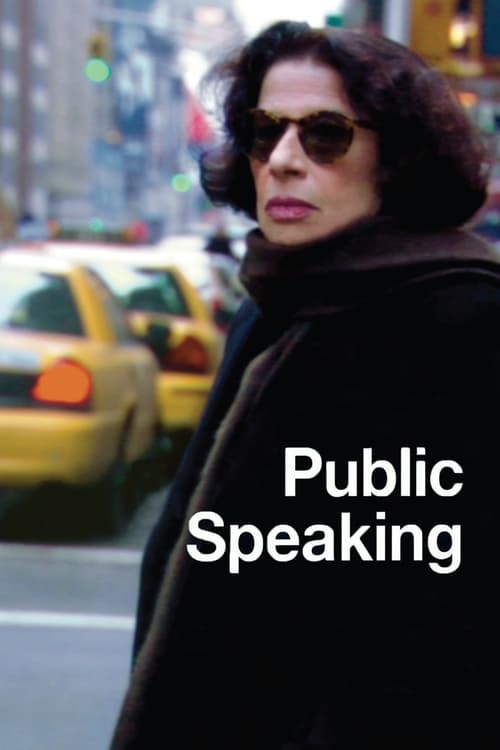
Martin Scorsese’s portrait of writer and social commentator Fran Lebowitz, celebrated for her sharp wit and observations on modern life. Filmed at New York’s Waverly Inn and intercut with archival footage and interviews, the documentary captures Lebowitz’s distinctive worldview through her spontaneous monologues and public appearances.