

User Score
1 votes
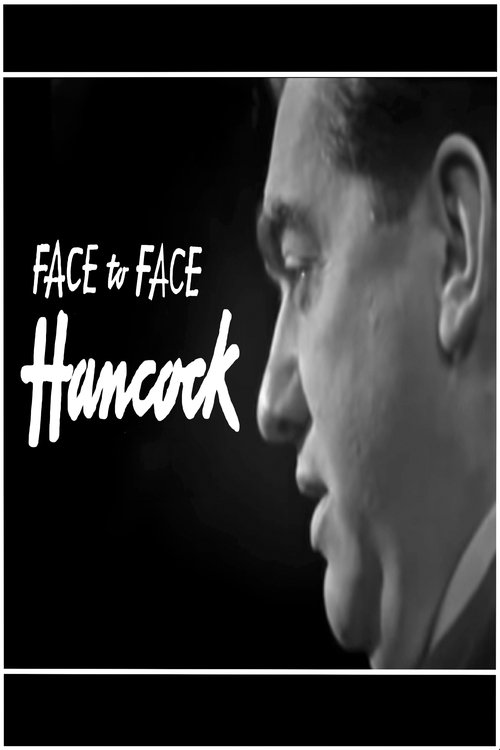
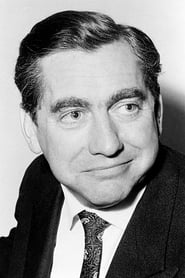
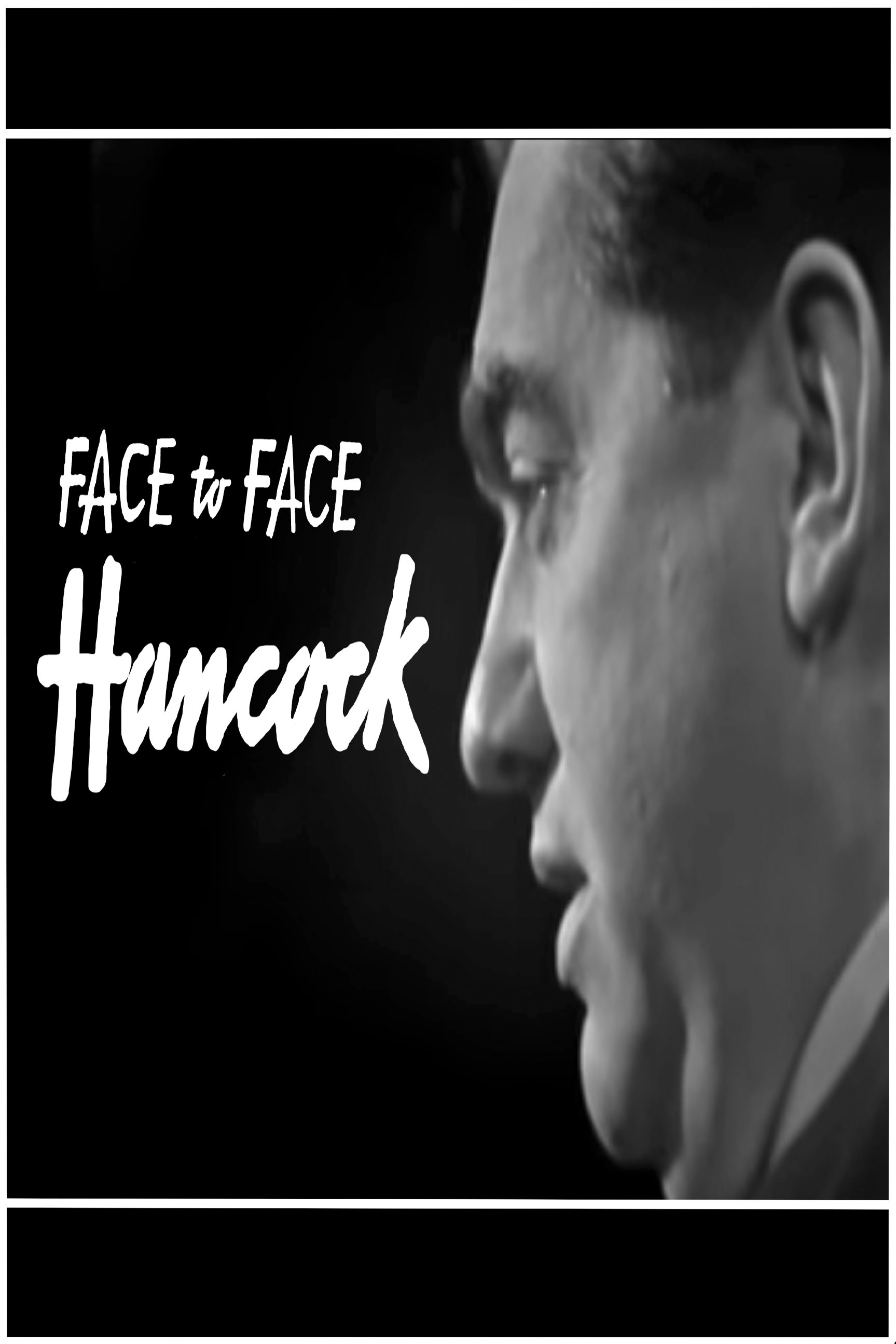
Tony Hancock engages in self-reflection, looking back at his childhood, his need to work, his health issues, and whether he could ever truly be happy. The program is believed to have played a role in his eventual downfall by amplifying his proclivity for self-criticism. During the interview, John Freeman posed probing questions about Hancock's life and career. Despite his admiration for the interviewer, Hancock seemed uneasy but responded candidly. Known for his inherent self-critical nature, it is frequently posited that this interview intensified that trait, ultimately contributing to his subsequent challenges. According to Roger, Hancock's brother, "It was the most significant misstep he ever took. I believe it all stemmed from that moment. Self-analysis - that became his undoing.
Director
Status
Released
Original Language
EN
With exclusive access to his extraordinary unseen and unheard personal archive including hundreds of hours of audio recorded over the course of his life, this is the definitive Marlon Brando cinema documentary. Charting his exceptional career as an actor and his extraordinary life away from the stage and screen with Brando himself as your guide, the film will fully explore the complexities of the man by telling the story uniquely from Marlon's perspective, entirely in his own voice. No talking heads, no interviewees, just Brando on Brando and life.