
User Score
1 votes
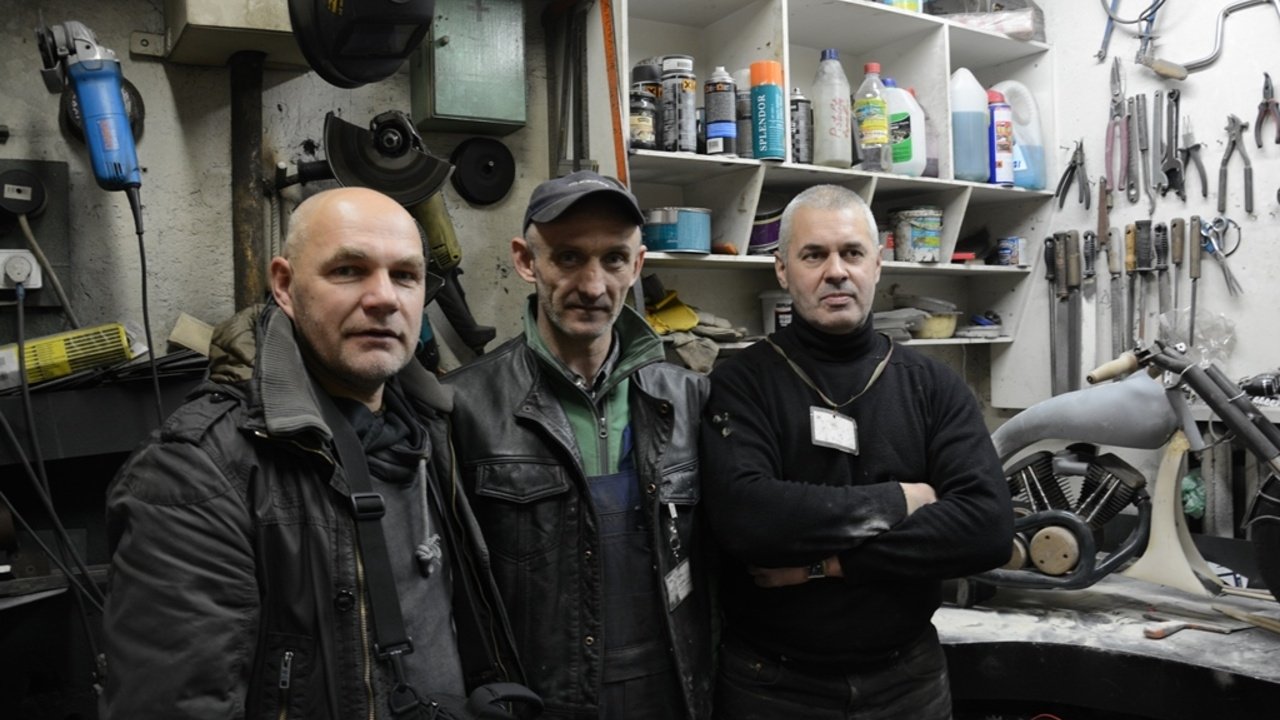
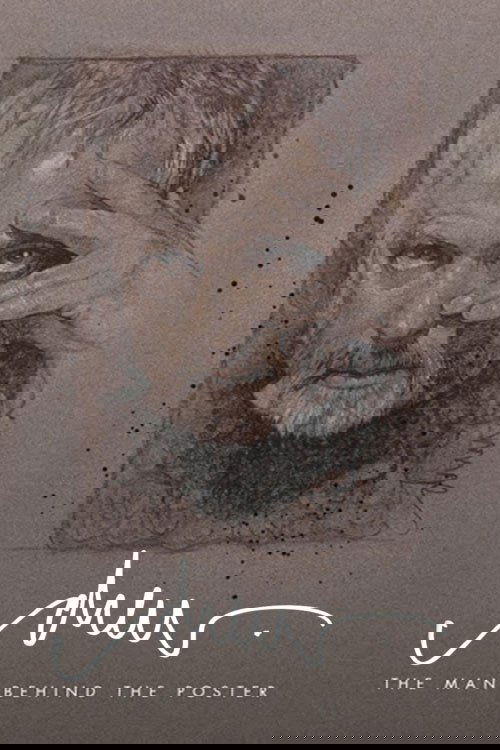
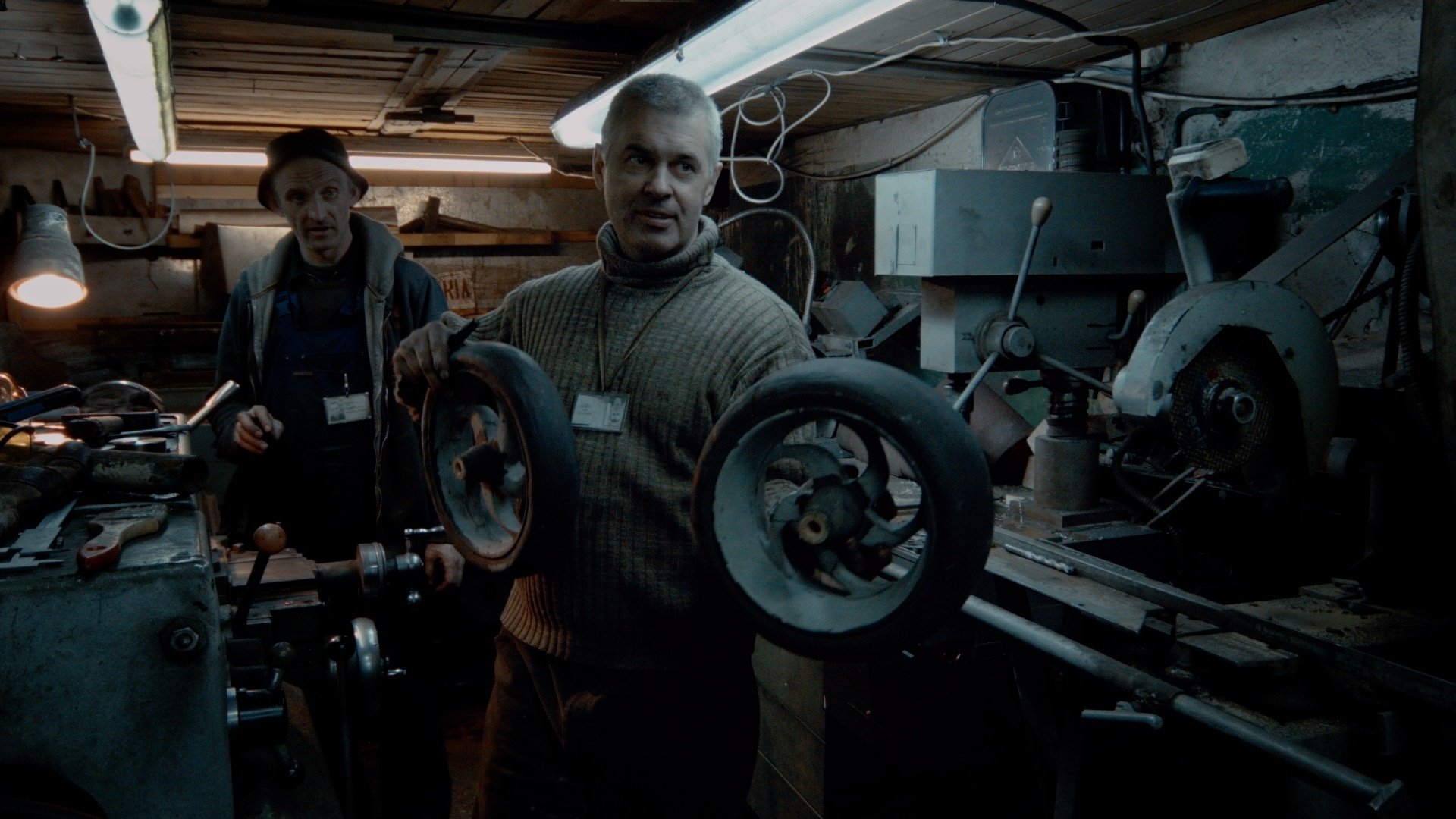
Audrius Mickevičius puts the horribly disfigured face of his murdered brother at the start of his film. It is almost a meditation about the question whether a final act like murder can be atoned for in a temporal order – and whether the passing of time allows the victim’s family to forgive. Mickevičius uses the example of two lifers (one of them gets married and wants to have children, the other pours his whole passion into an idea of craftsmanship) and a philosopher with prison experience to make that strange state of suspended life comprehensible.
Status
Released
Original Language
LT
Herself
Serving life in prison for murdering their parents, Lyle and Erik Menendez speak out in this documentary explaining the shocking crime and ensuing trials.