

User Score
5 votes
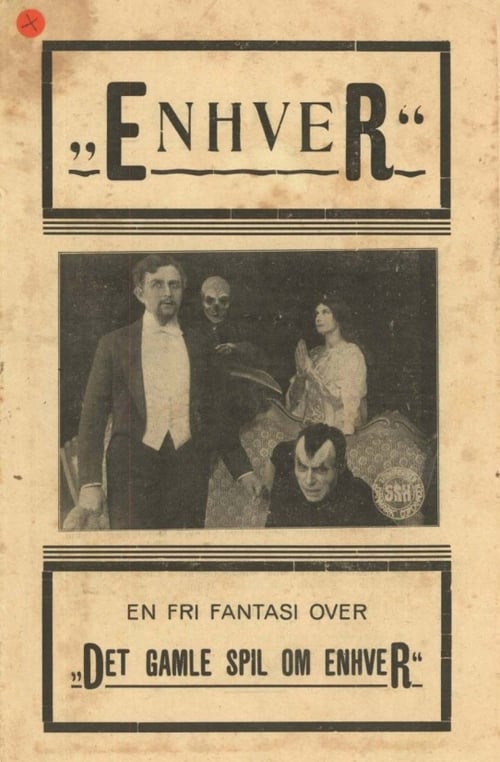
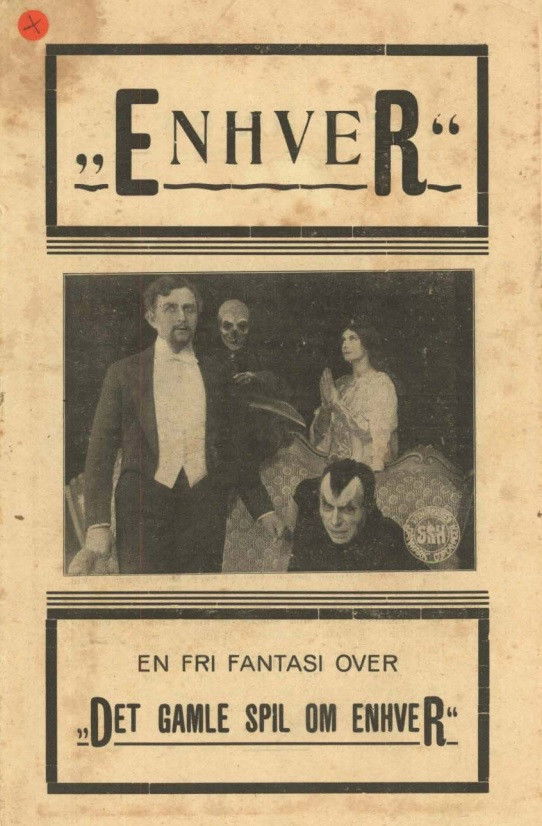
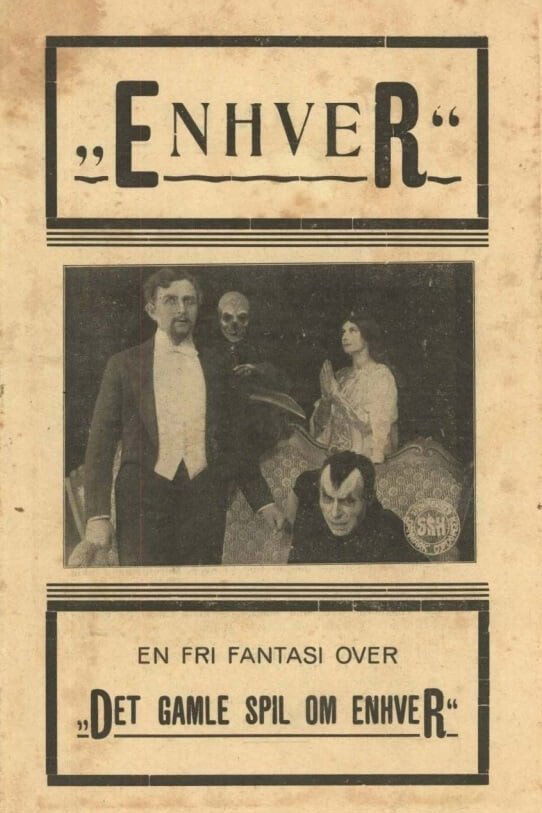
In 1911 the German poet Hugo von Hofmansthal wrote a new version of the medieval morality play Everyman, and this was staged in Danish translation at the Royal Theatre in Copenhagen in 1915. At the time, it was radical example of symbolist abstraction. Its success inspired a film version, Enhver [Everyman], directed by Vilhelm Glückstadt for Filmfabrikken Danmark. The film, however, was set in a modern-day environment. It depict the moral choice confronting its protagonist at struggle because two attendant spirits, one good and one bad. The protagonist is tempted by dark figure of evil and succumbs, rejecting God and leading a life of iniquity, but he is then haunted by guilty visions until he finally dies, asking God for forgiveness at the last moment.
Director
Status
Released
Original Language
DA
Kurt
Humble Maria, who outfits top London theater star Ned Kynaston, takes none of the credit for the male actor's success at playing women. And because this is the 17th century, Maria, like other females, is prohibited from pursuing her dream of acting. But when powerful people support her, King Charles II lifts the ban on female stage performers. And just as Maria aided Ned, she needs his help to learn her new profession.