
User Score
3 votes
Esther Gorintin became a star at 85, having survived the harrowing 20th century, from her native Poland to the Rue de Rivoli in Paris. Between Cannes to the local fast food joint, with a taste for Ted Lapidus designs and a thing about plastic bags, Estherka is the heroine of this comic documentary, the portrait of a woman in the twilight of her life and at the dawn of her career As well as recording the incredible career of this 85 year-old débutant, I wanted to tell the story of her entire life. I had started filming Esther Gorintin before she started acting: her journey through the past century, her memories, her storytelling style, her unique relationship with the world around her, and her very special relationship with her son Armand. Here are the reasons why I followed her for more than ten years.
Director
Writer
Status
Released
Original Language
FR
Self
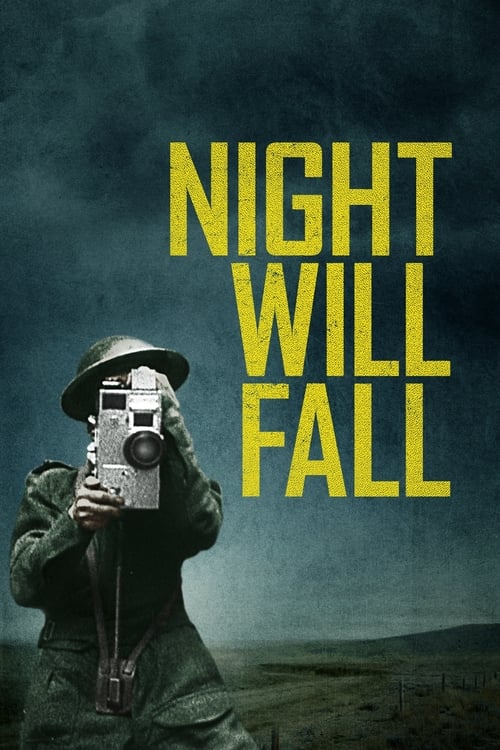
When Allied forces liberated the Nazi concentration camps in 1944-45, their terrible discoveries were recorded by army and newsreel cameramen, revealing for the first time the full horror of what had happened. Making use of British, Soviet and American footage, the Ministry of Information’s Sidney Bernstein (later founder of Granada Television) aimed to create a documentary that would provide lasting, undeniable evidence of the Nazis’ unspeakable crimes. He commissioned a wealth of British talent, including editor Stewart McAllister, writer and future cabinet minister Richard Crossman – and, as treatment advisor, his friend Alfred Hitchcock. Yet, despite initial support from the British and US Governments, the film was shelved, and only now, 70 years on, has it been restored and completed by Imperial War Museums under its original title "German Concentration Camps Factual Survey".