

User Score
0 votes
A journalist interviews a general from the Process a few days after the defeat in the Falklands War. The general's speech is brutally sincere. These are the words that no Argentine military officer would say, has said, or will say. The idea is to exploit one of the feelings many people experience during the trials of repressors: it's strange that no one explicitly admits a single truth. The irony of this story is built on this sense of need to listen, with a certain moral and political awareness.
Director
Director
Writer
Writer
Writer
Status
Released
Original Language
ES
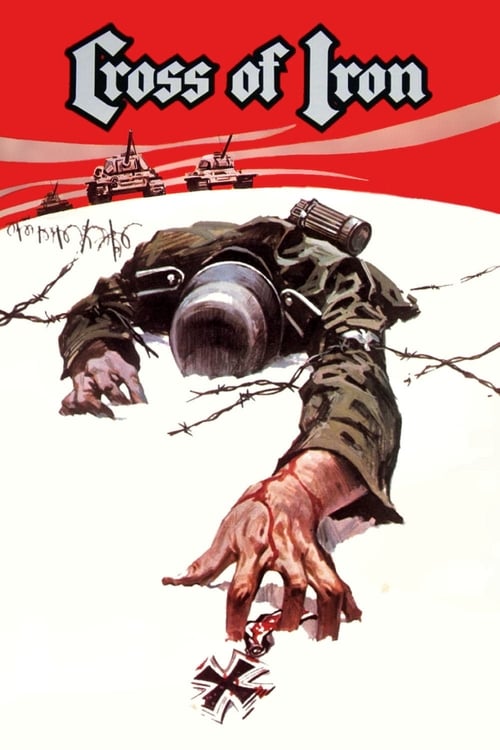
It is 1943, and the German army—ravaged and demoralised—is hastily retreating from the Russian front. In the midst of the madness, conflict brews between the aristocratic yet ultimately pusillanimous Captain Stransky and the courageous Corporal Steiner. Stransky is the only man who believes that the Third Reich is still vastly superior to the Russian army. However, within his pompous persona lies a quivering coward who longs for the Iron Cross so that he can return to Berlin a hero. Steiner, on the other hand is cynical, defiantly non-conformist and more concerned with the safety of his own men rather than the horde of military decorations offered to him by his superiors.