
User Score
0 votes
“"We're gonna take a break for a little Gay Capitalism. We'll be right back."”
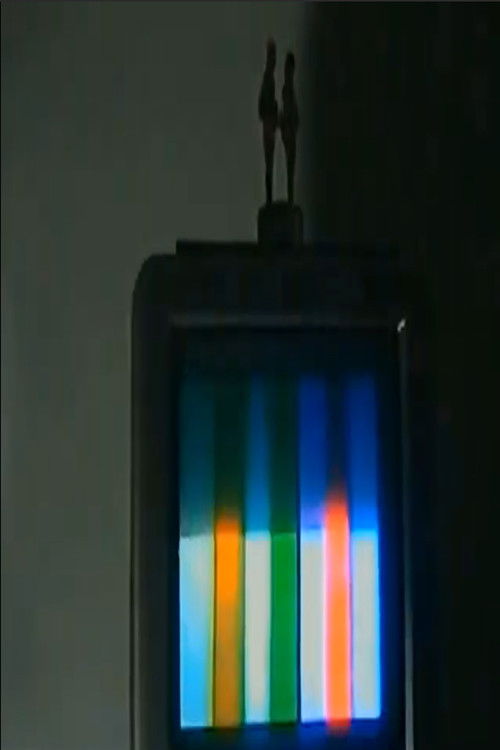
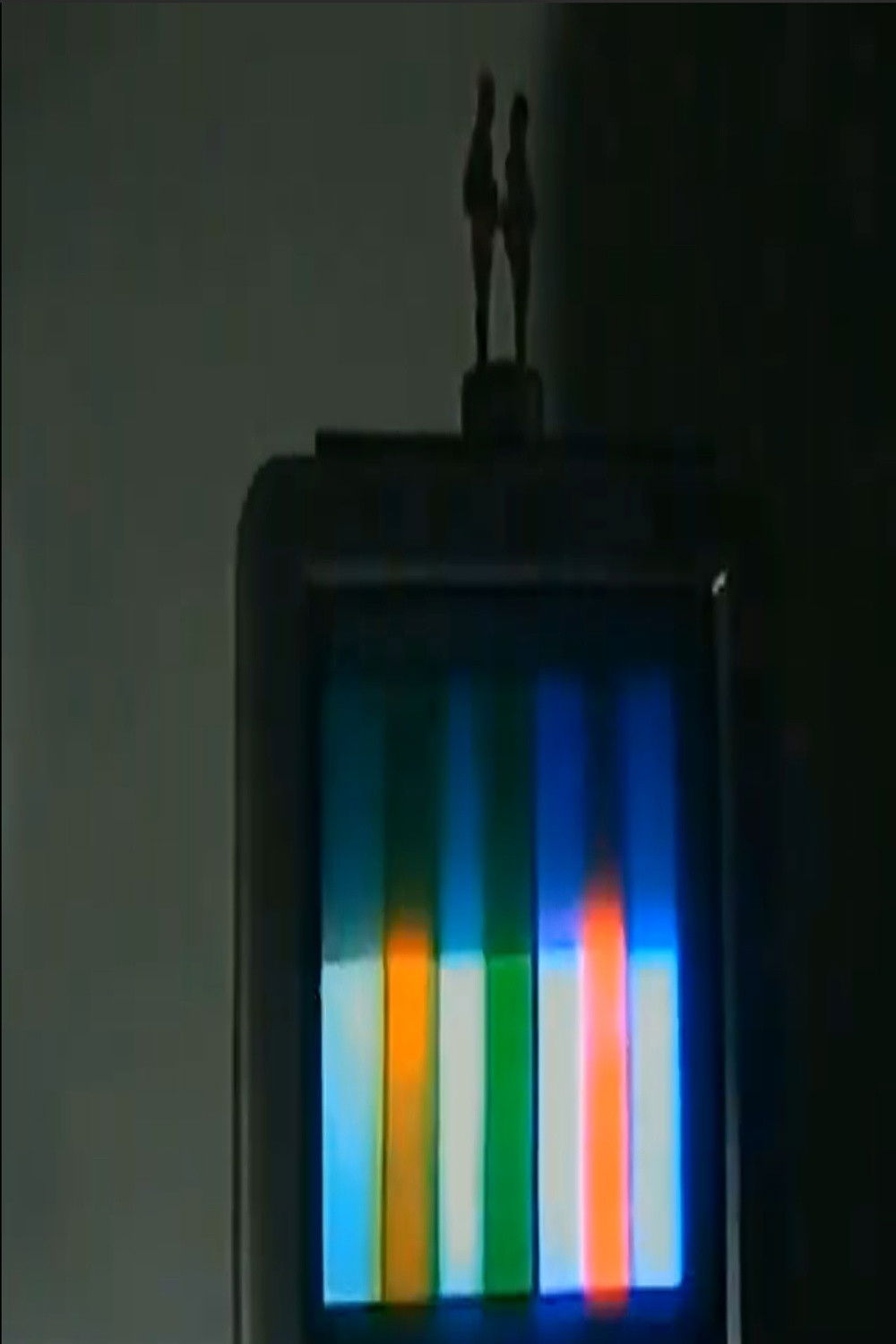
A continuously running installation of two video monitors on pedestals, overlooked by a green Kit-Cat clock. A small and large monitor display two different video collages of footage from the Emerald Square Mall and the strike during its 1989 construction with interferences of Channel J's Emerald City TV (1976-1979): the self-proclaimed "world’s first television show for gay men and women", Huge Video's Heat in the Night (1989), Genet's Un Chant D'Amour (1950), cigarette commercials, The Wizard of Oz, and a performance of a mylar-clad figure wrapping up the television in videotape.
Director
Status
Released
Original Language
EN
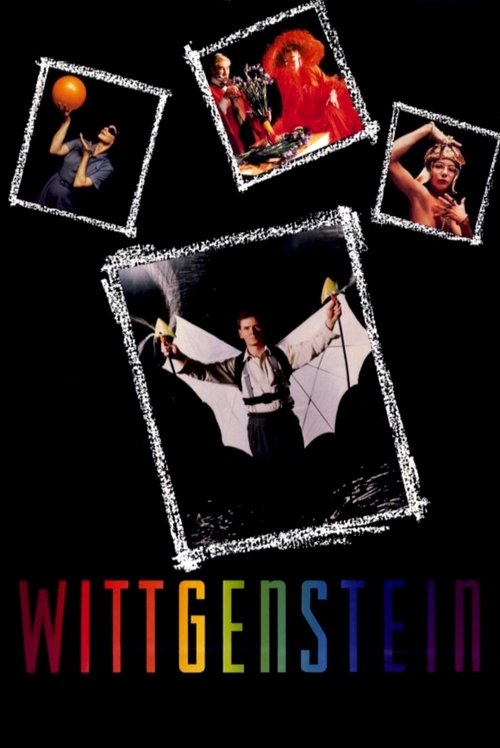
A dramatization, in modern theatrical style, of the life and thought of the Viennese-born, Cambridge-educated philosopher Ludwig Wittgenstein, whose principal interest was the nature and limits of language. A series of sketches depict the unfolding of his life from boyhood, through the era of the first World War, to his eventual Cambridge professorship and association with Bertrand Russell and John Maynard Keynes. The emphasis in these sketches is on the exposition of the ideas of Wittgenstein, a homosexual, and an intuitive, moody, proud, and perfectionistic thinker generally regarded as a genius.