
User Score
0 votes
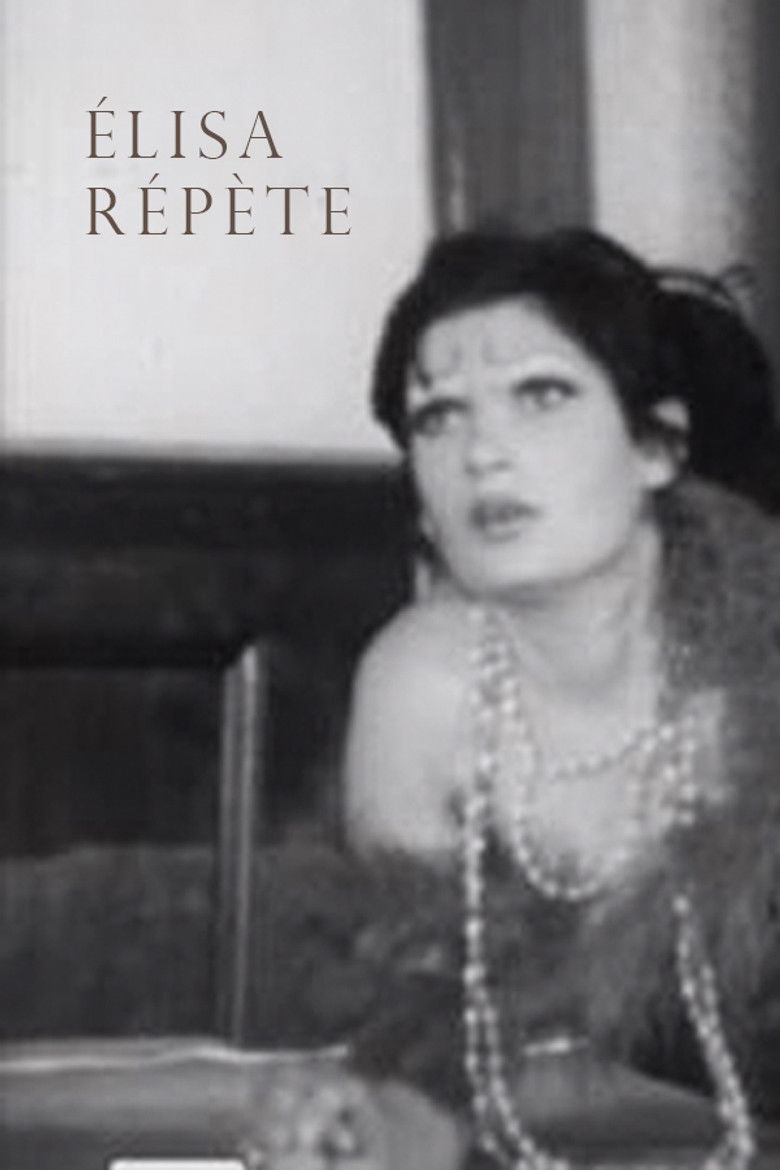
A young actress rehearses on stage the play of her mental life. Where is the play, where is the reality? The character's real life and the baroque show seem intimately linked in the closed universe of a somewhat seedy theatre. On the advice of her director, Elisa ends up breaking her chains by accepting herself as she is. While she sings an opera, the walls of the theater disappear. Transported to the street, she continues her euphonious and optimistic number.
Director
Writer
Status
Released
Original Language
FR
After the lewd and frenetic Dance of the Seven Veils, and with the solemn pledge from the very lips of Herod himself that she could have whatever her heart desires up to half his kingdom, wanton and proud young Salomé comes before her king with an unreasonable demand. Beguiled by John the Baptist, and then scorned for the sake of his god, lascivious Salomé—encouraged by her mother, the vindictive, Herodias—commands that John be executed and his head delivered on a silver platter.