User Score
2 votes
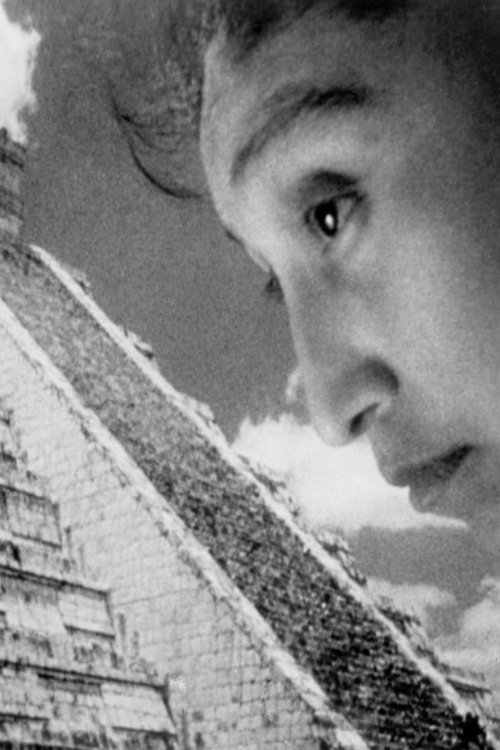
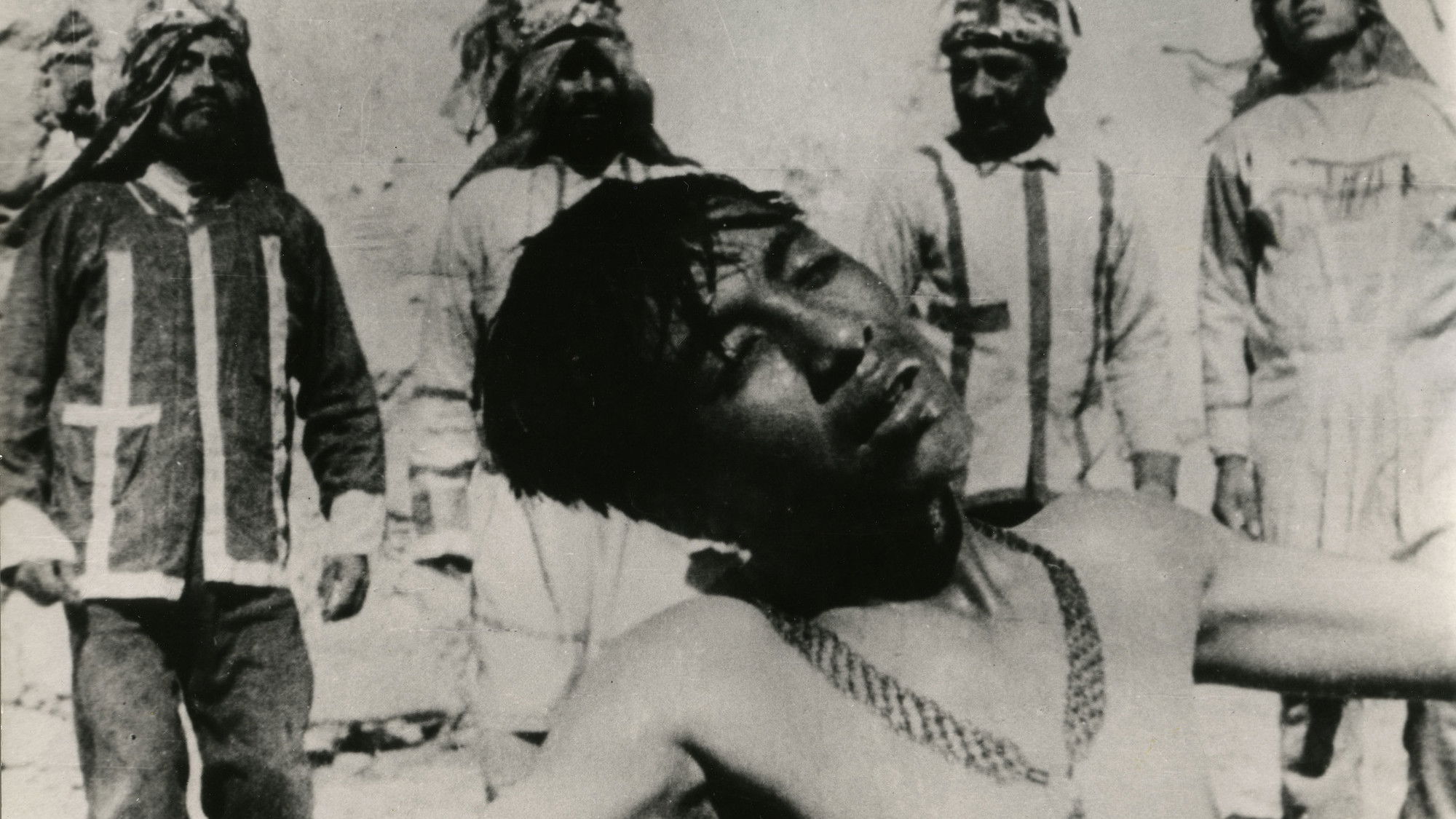
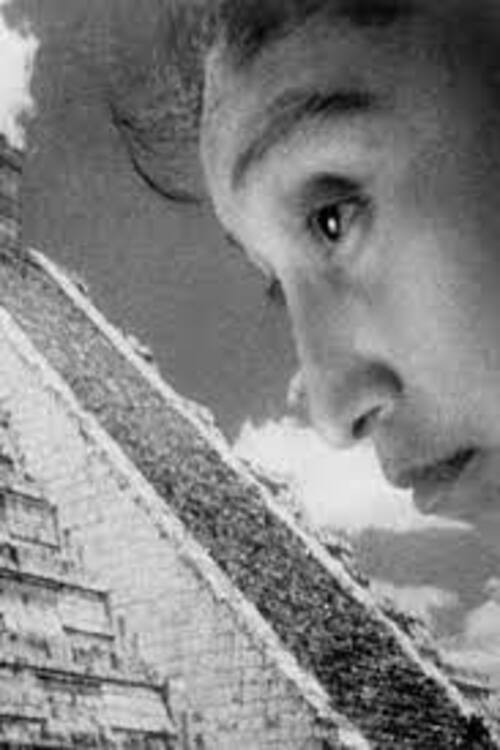
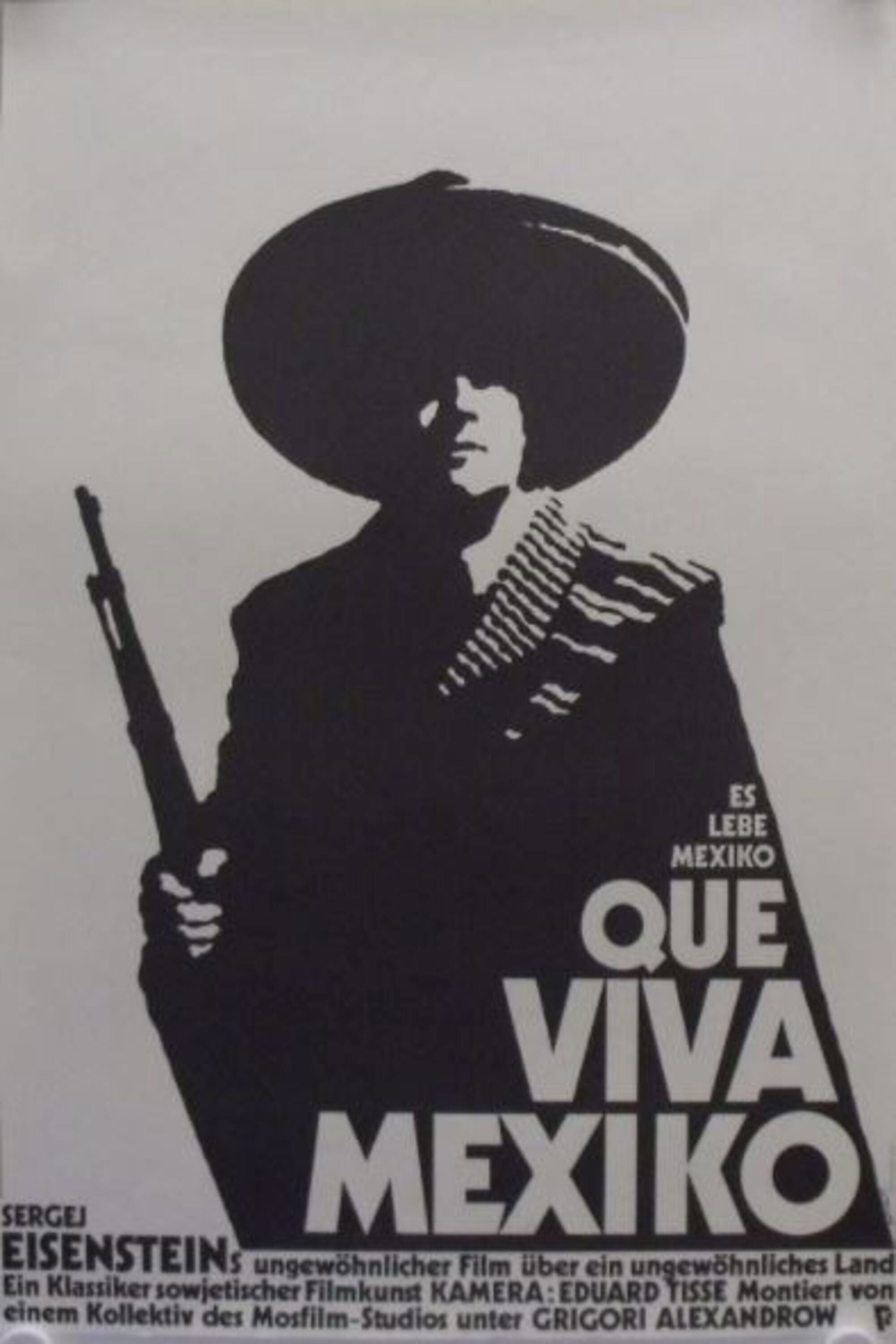
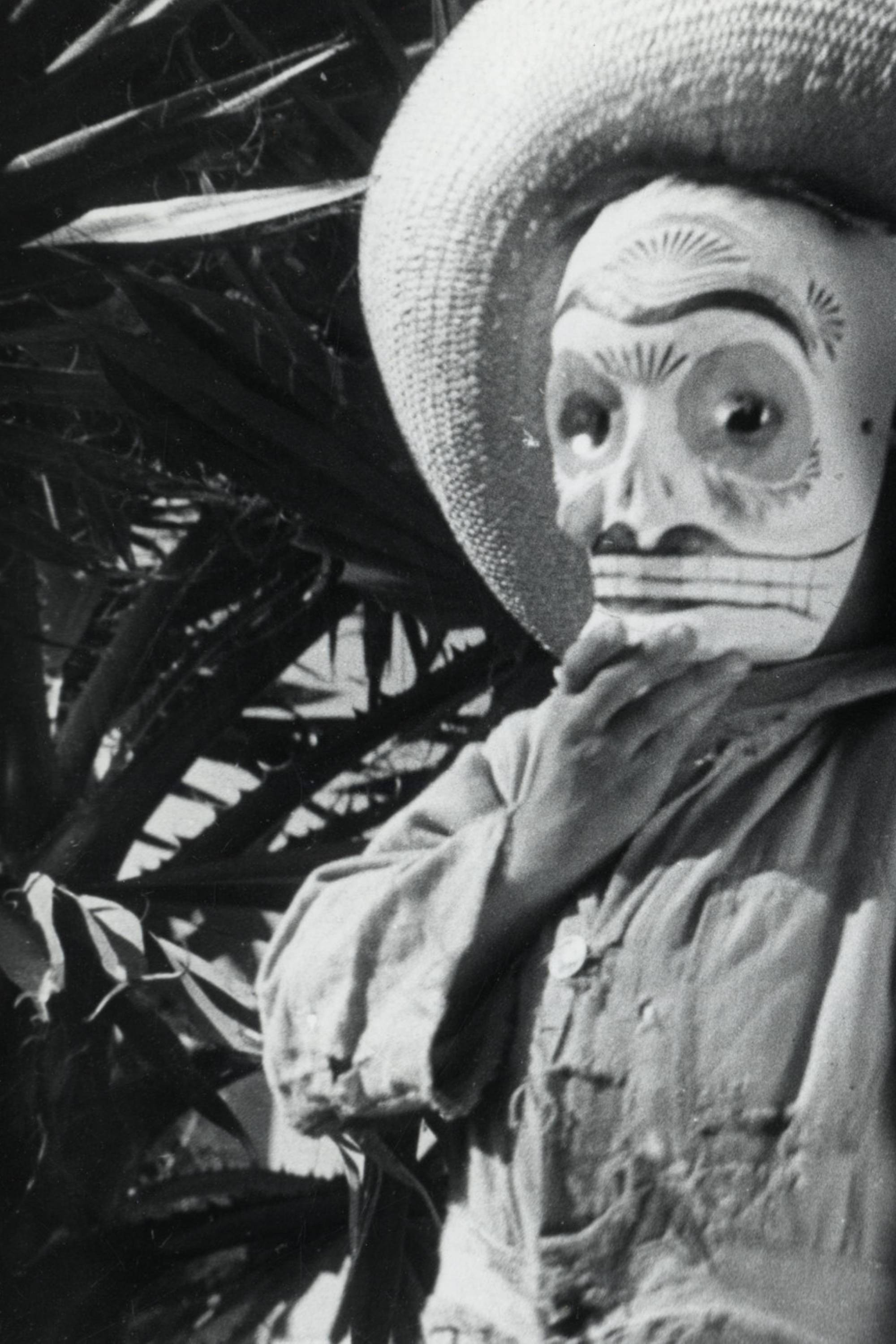
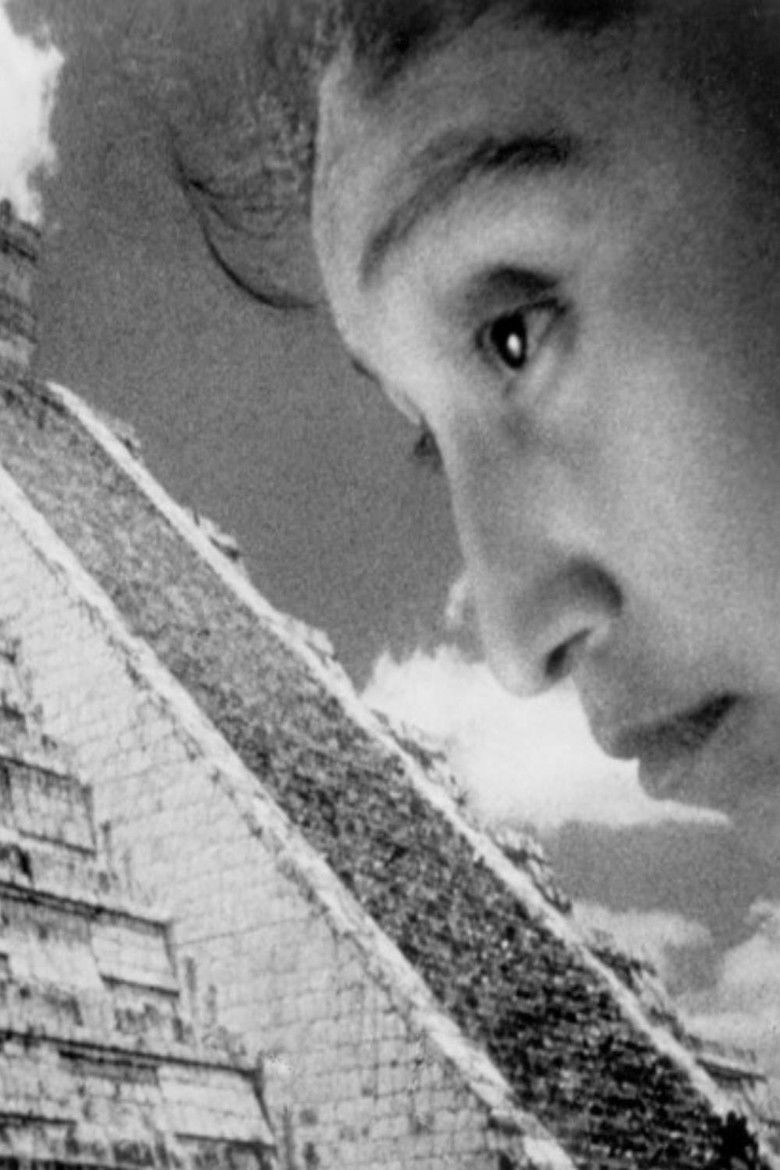
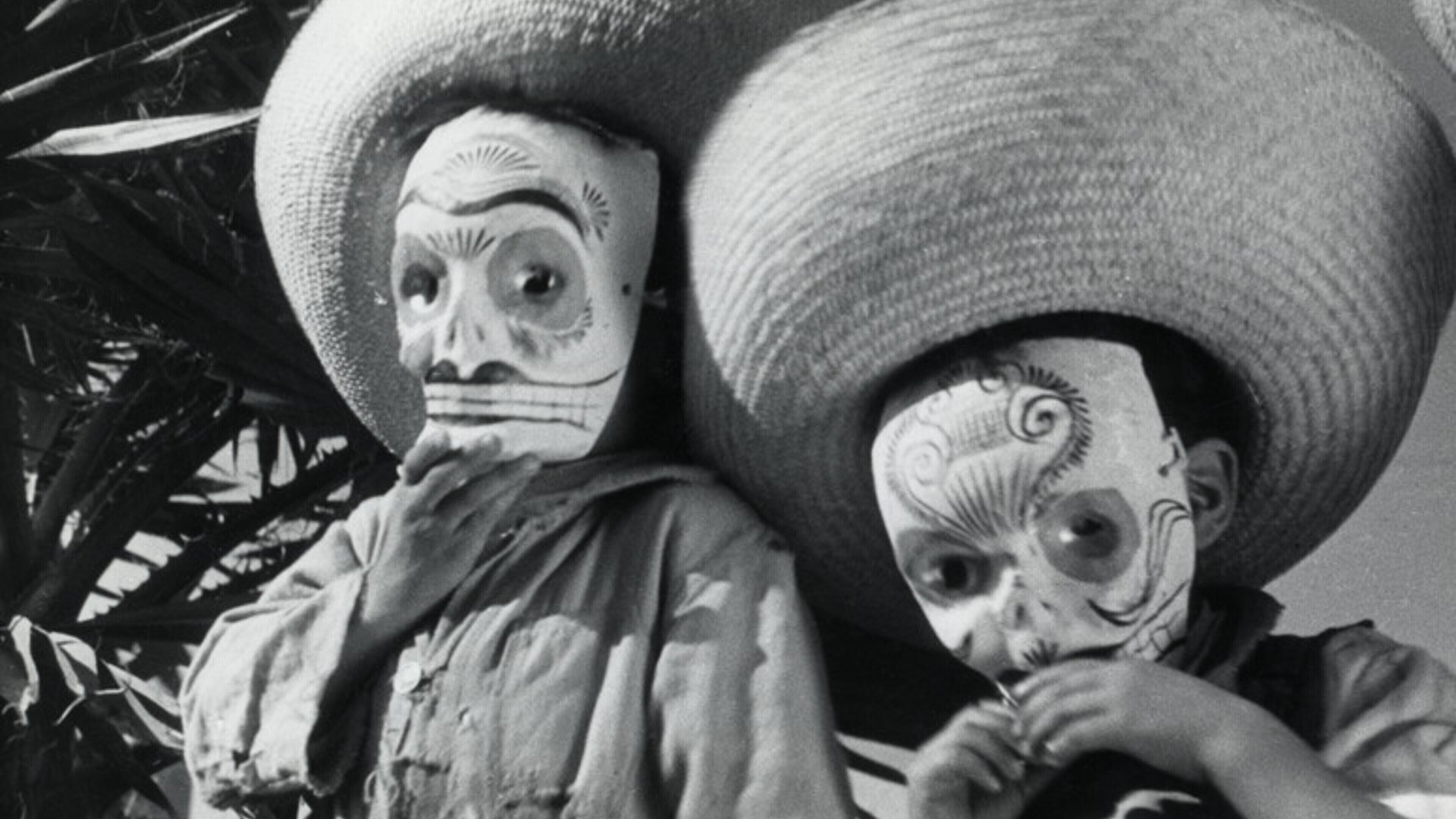
"Eisenstein journeyed to Mexico in late 1930 to begin shooting a film. With backing provided by Upton and Mary Craig Sinclair, the great Soviet auteur planned to make an epoch-spanning pageant of Mexico’s political history and cultural iconography, moving from the pre-Columbian era through colonization and, finally, revolution ... with the project running over budget the film was shut down. Sinclair eventually deposited the film materials at MoMA in 1953, at which point the scholar Jay Leyda assembled and annotated the shots, ordering them according to the filmmaker’s plans and presenting the images just as they had been shot, unedited ... here one is given the opportunity to attend to Eisenstein in an entirely different way, and aspects that might otherwise be overshadowed come to the fore: the way he works with nonprofessional actors, for example, or the striking mise-en-scène." - MoMA
Director
Status
Released
Original Language
EN
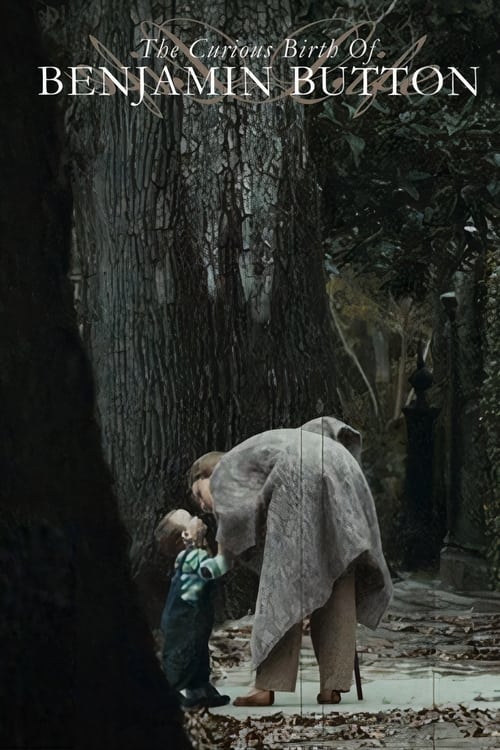
A documentary about the making of David Fincher's 2008 film THE CURIOUS CASE OF BENJAMIN BUTTON. Virtually every element in the evolution of the Fincher's film is documented here, from the project's attachment to numerous other directors during the 1990s, to its shoot in 2006 and 2007 in New Orleans, to its complex, CGI-intensive postproduction process.