
User Score
0 votes
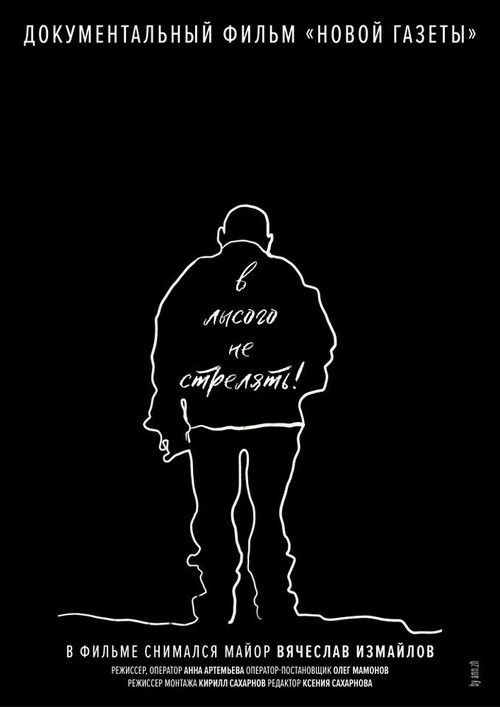
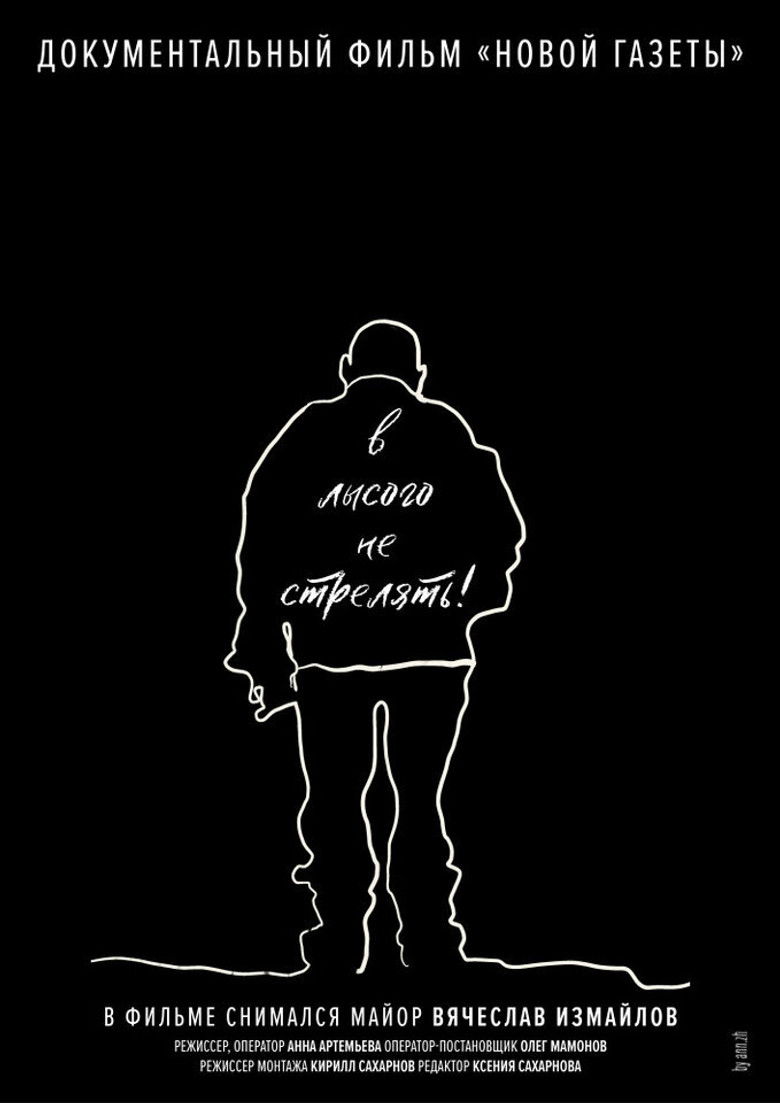
By the beginning of the war in Chechnya, the legendary Major Izmailov worked in the military registration and enlistment office of the city of Zhukovsky. Having buried the first conscript who died during the storming of Grozny, he refused to send 18-year-old children to death and went to Chechnya himself to take out the prisoners. And he freed at least 174 people. The film uses a rare chronicle of the Chechen wars from the private archives of mothers who were looking for their sons in Chechnya, as well as negotiating officers from the working group on the exchange of prisoners. For the first time, the heroes of the film tell in detail what they had to go to to free people from captivity on both sides.
Director
Status
Released
Original Language
RU
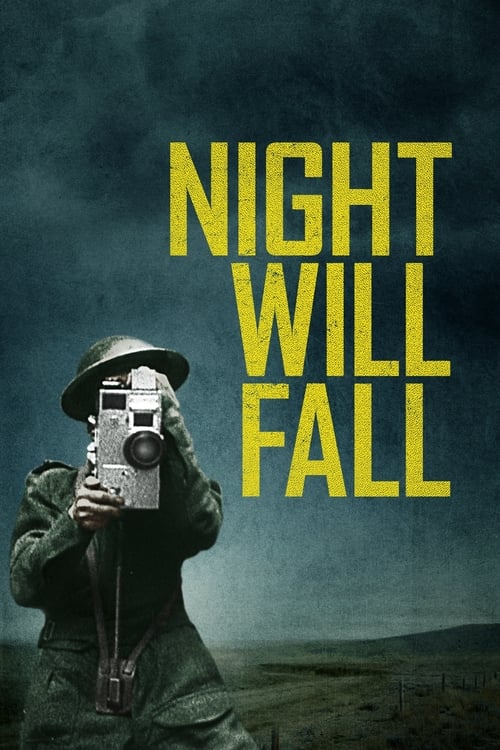
When Allied forces liberated the Nazi concentration camps in 1944-45, their terrible discoveries were recorded by army and newsreel cameramen, revealing for the first time the full horror of what had happened. Making use of British, Soviet and American footage, the Ministry of Information’s Sidney Bernstein (later founder of Granada Television) aimed to create a documentary that would provide lasting, undeniable evidence of the Nazis’ unspeakable crimes. He commissioned a wealth of British talent, including editor Stewart McAllister, writer and future cabinet minister Richard Crossman – and, as treatment advisor, his friend Alfred Hitchcock. Yet, despite initial support from the British and US Governments, the film was shelved, and only now, 70 years on, has it been restored and completed by Imperial War Museums under its original title "German Concentration Camps Factual Survey".
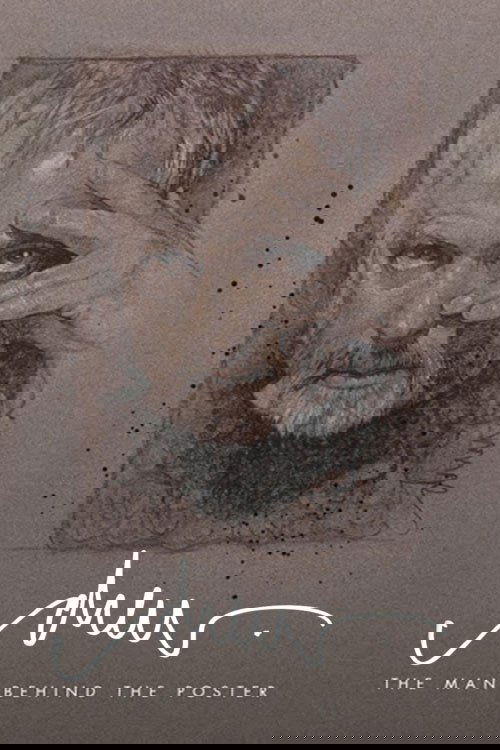
A documentary on legendary movie-poster artist Drew Struzan.