User Score
2 votes
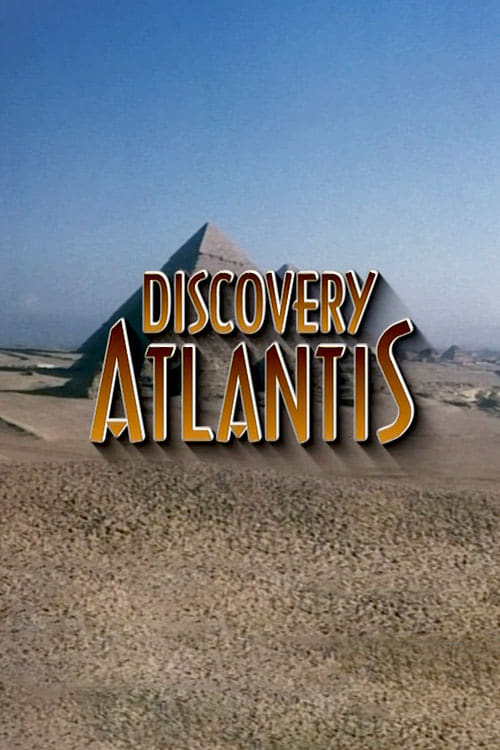
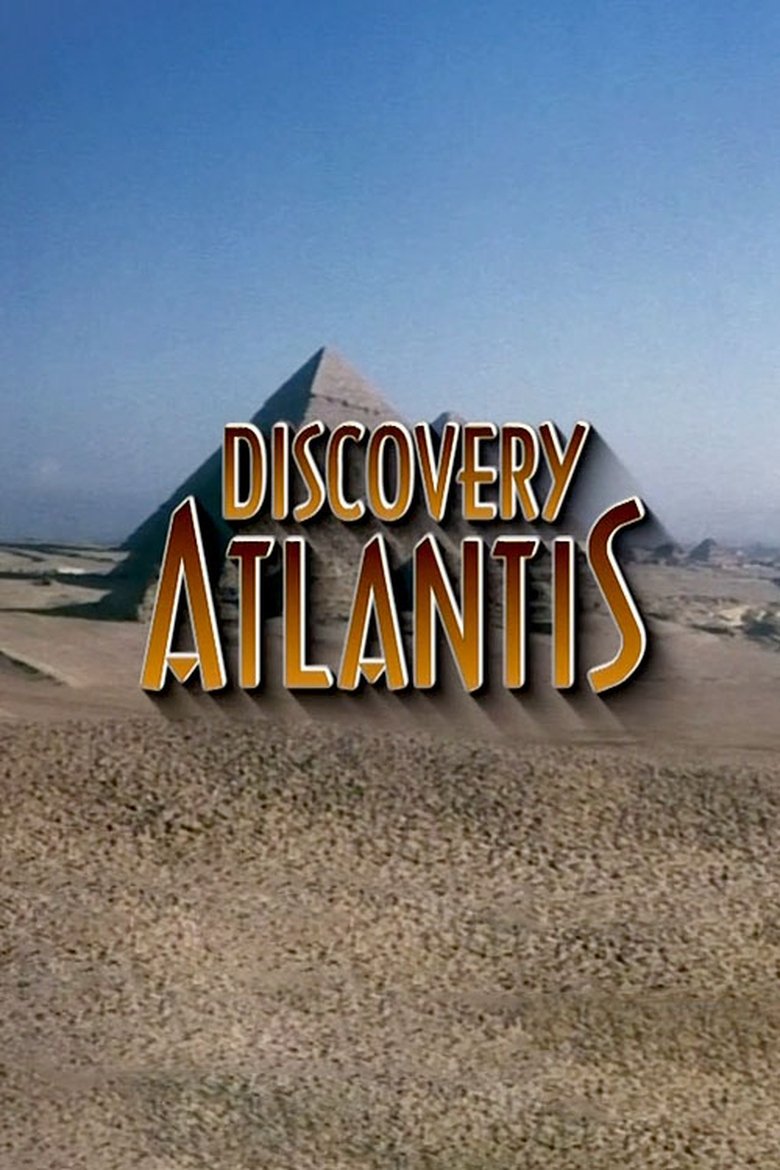
The film presents compelling evidence that Altlantis wasn't so far away after all, but what it omits is just as compelling. Although Plato’s account of Atlantian masonry, consisting of red, white and black stones, was a visually perfect match for the modern walls of the Minoan excavation site favored by the film, and his account of a sea made impassable by small islands of mud could, in fact, be a description of the rafts of pumice left by the catastrophic eruption of an ancient volcano there, little mention is made of Plato's specific account of where Atlantis was or the common root that links Atlantis to the Atlantic ocean. Also omitted is Plato's chronology placing the sinking of Atlantis in the same time frame as the end of the last ice age which caused the inundation of huge expanses of once fertile lands. Is "Atlantis: The Evidence" a thinly disguised example of Eurocentrism in the media? Watch Discovery: Atlantis for a more comprehensive view on an age-old debate.
Director
Writer
Status
Released
Original Language
EN
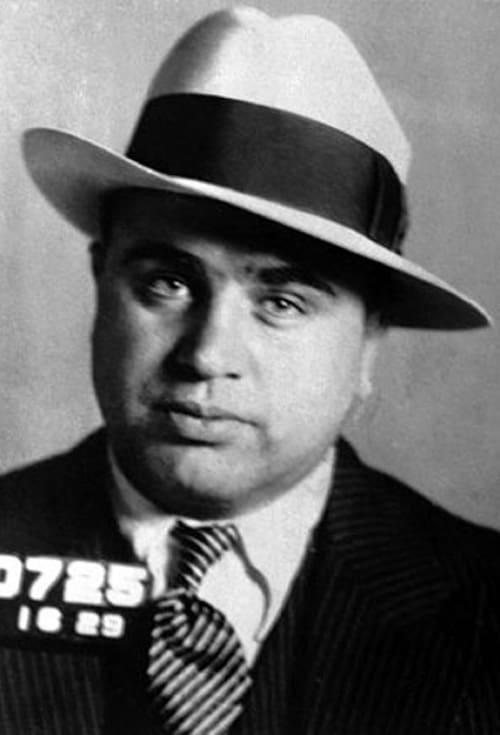
Al Capone was born to Italian immigrant parents on January 17, 1899 in New York City. He moved to Chicago in 1919, and there he became a notable criminal figure and gangster. He played large parts in gambling, alcohol, and prostitution rackets. In 1925, after an assassination attempt on former head Johnny Torrio, Capone took control of the Chicago Outfit, of which he had served as the second in command. He was listed on the FBI's "Most Wanted" list, sold alcohol during the Prohibition era, planned the St. Valentine's Day massacre, and was eventually indicted and convicted of income tax evasion in 1931.