
User Score
5 votes
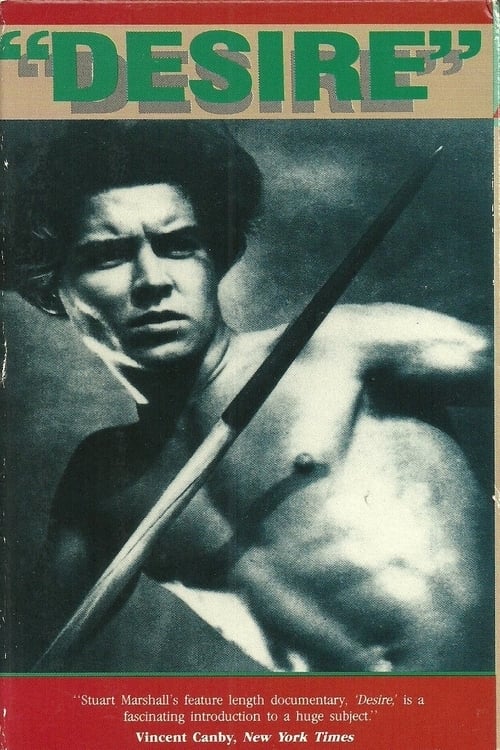
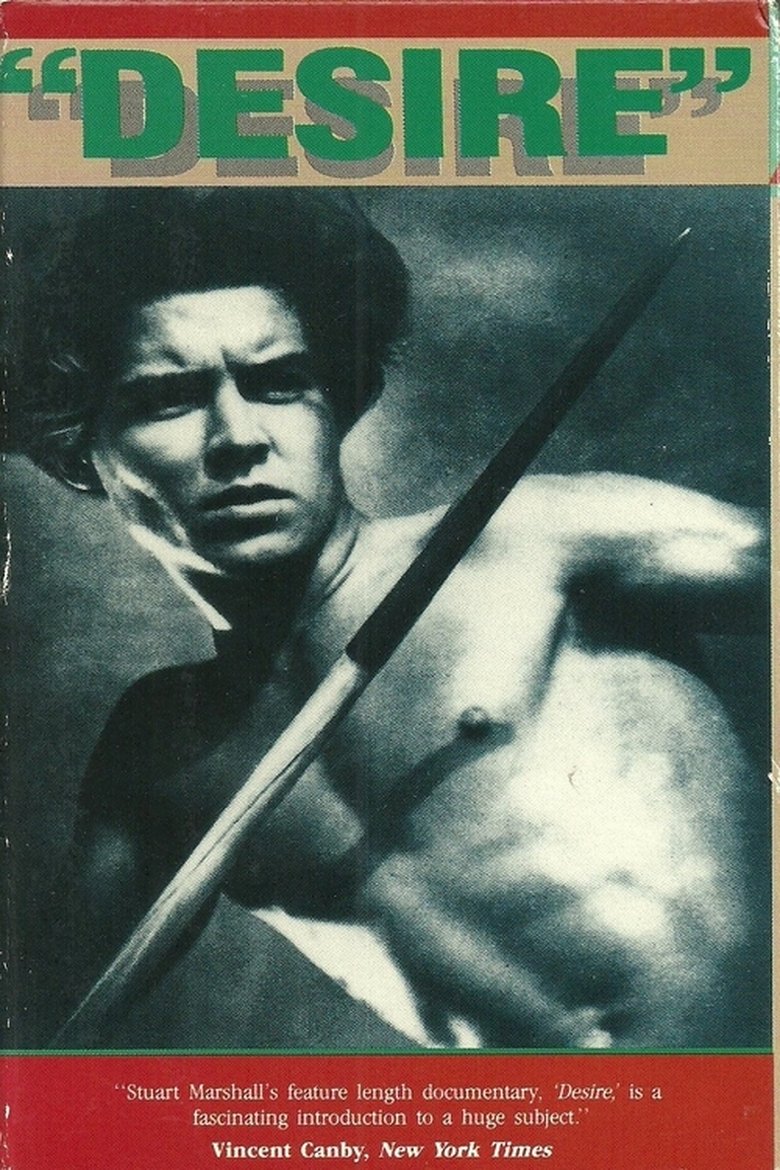
Sexuality in Germany from 1910 to 1945: beginning with back-to-nature mountain camps and schools that fused athleticism, same-sex intimacy, and nudity; the openly-gay bars during the Weimer Republic; and, Nazi suppression of male and female homosexuality. Historians discuss pedagogical Eros, Hirschfeld's theories and his institute of sexual science, and the Nazi's Paragraph 175, which outlawed homosexual behavior. Survivors describe intimidation and interrogation, the flight of friends, Himmler's edicts, and the confinement and death in concentration camps of gay men and women. The documentary ends at Amsterdam's monument to gay victims of the Holocaust.
Director
Status
Released
Original Language
EN
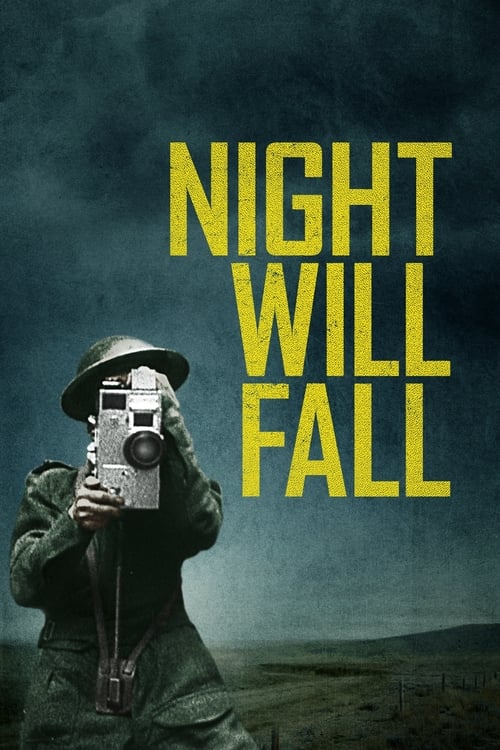
When Allied forces liberated the Nazi concentration camps in 1944-45, their terrible discoveries were recorded by army and newsreel cameramen, revealing for the first time the full horror of what had happened. Making use of British, Soviet and American footage, the Ministry of Information’s Sidney Bernstein (later founder of Granada Television) aimed to create a documentary that would provide lasting, undeniable evidence of the Nazis’ unspeakable crimes. He commissioned a wealth of British talent, including editor Stewart McAllister, writer and future cabinet minister Richard Crossman – and, as treatment advisor, his friend Alfred Hitchcock. Yet, despite initial support from the British and US Governments, the film was shelved, and only now, 70 years on, has it been restored and completed by Imperial War Museums under its original title "German Concentration Camps Factual Survey".

From the heights of her modeling fame to her tragic death, this documentary reveals Anna Nicole Smith through the eyes of the people closest to her.