

User Score
1 votes
During World War II, 8 million people from abroad were forced to work in Germany, making up 30% of the workforce. By 1993, when a film on this topic was completed, there was little public awareness in Germany of this massive mobilisation of slave labour. The film explores the victims’ perspectives and the perpetrators’ motivations and methods, detailing how the system evolved from recruiting Italian volunteers to deportation, racist oppression, and slave labour. Director Wolfgang Bergmann used archive material from 10 countries and eyewitness accounts from 8 European states. Forced labourers were a visible part of German society, yet their legality and the guilt of those responsible were rarely questioned, even after Germany’s surrender. This chapter of history was largely repressed and forgotten. The film was made after the 1989 changes, during a time when xenophobic crimes were rising, with West German right-wing extremists gaining followers in East Germany.
Director
Writer
Status
Released
Original Language
DE

When Allied forces liberated the Nazi concentration camps in 1944-45, their terrible discoveries were recorded by army and newsreel cameramen, revealing for the first time the full horror of what had happened. Making use of British, Soviet and American footage, the Ministry of Information’s Sidney Bernstein (later founder of Granada Television) aimed to create a documentary that would provide lasting, undeniable evidence of the Nazis’ unspeakable crimes. He commissioned a wealth of British talent, including editor Stewart McAllister, writer and future cabinet minister Richard Crossman – and, as treatment advisor, his friend Alfred Hitchcock. Yet, despite initial support from the British and US Governments, the film was shelved, and only now, 70 years on, has it been restored and completed by Imperial War Museums under its original title "German Concentration Camps Factual Survey".
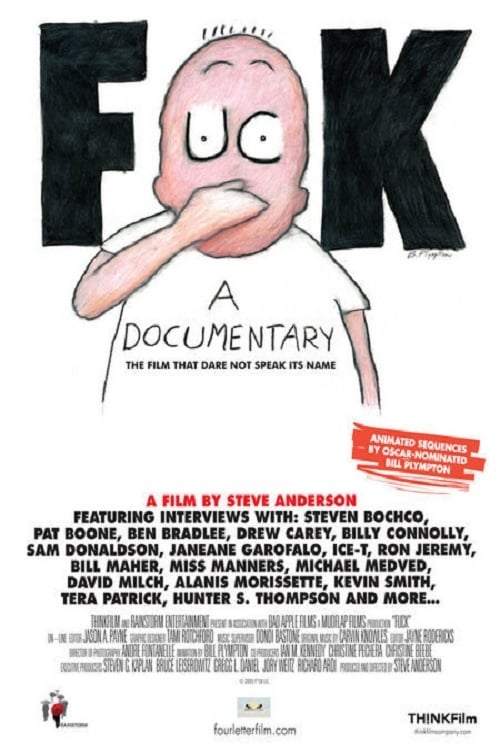
A documentary on the expletive's origin, why it offends some people so deeply, and what can be gained from its use.