User Score
1 votes
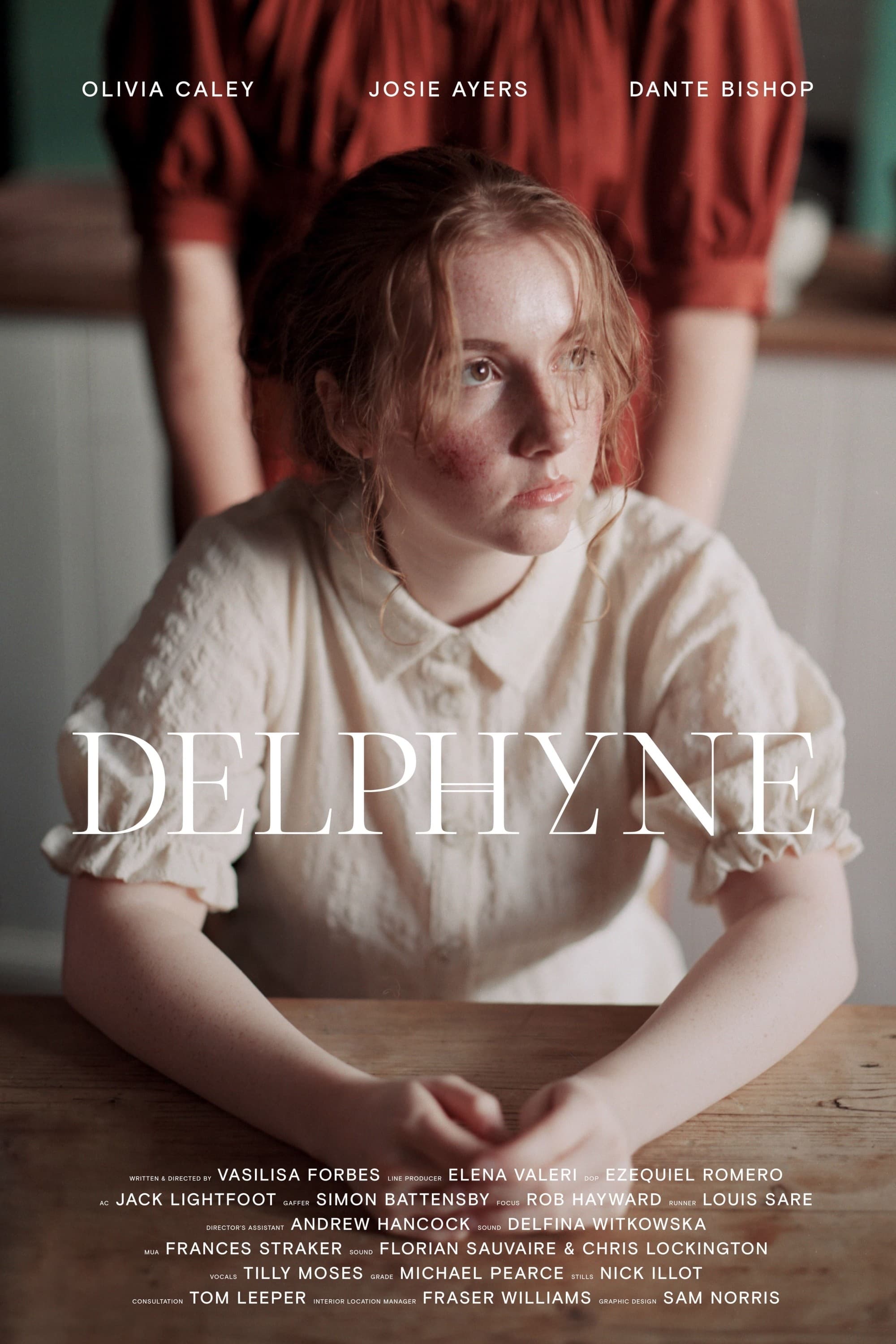
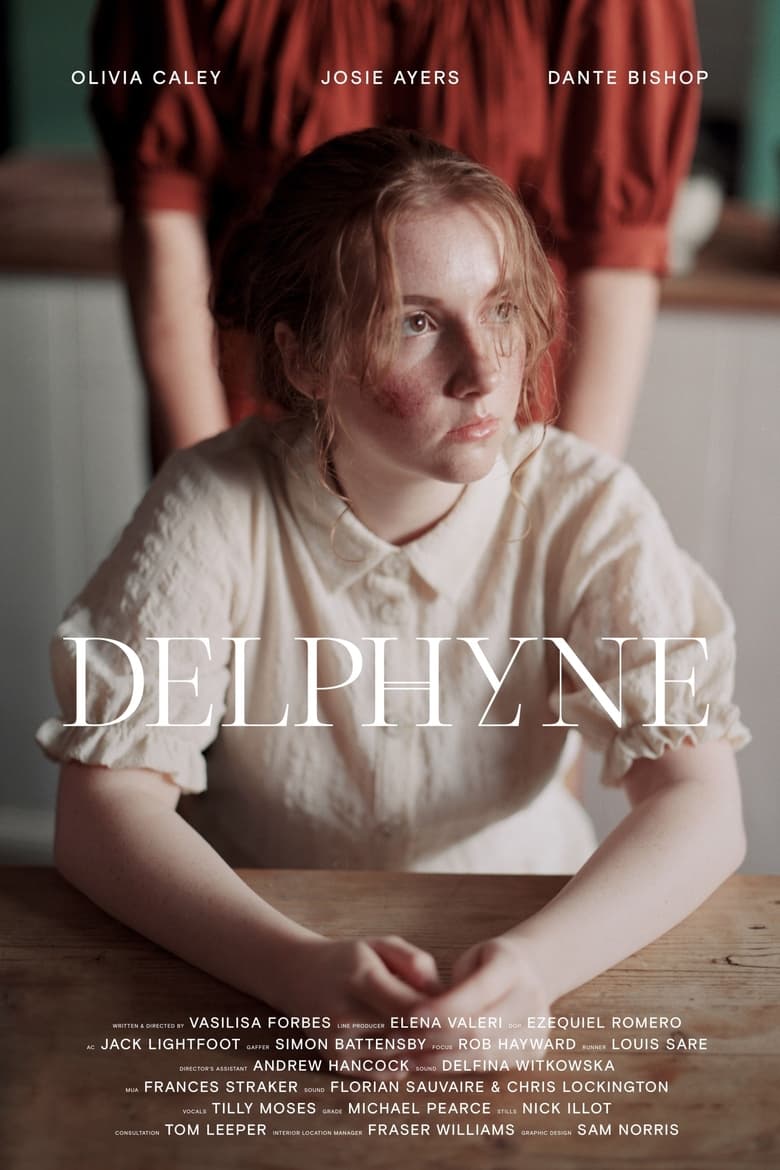
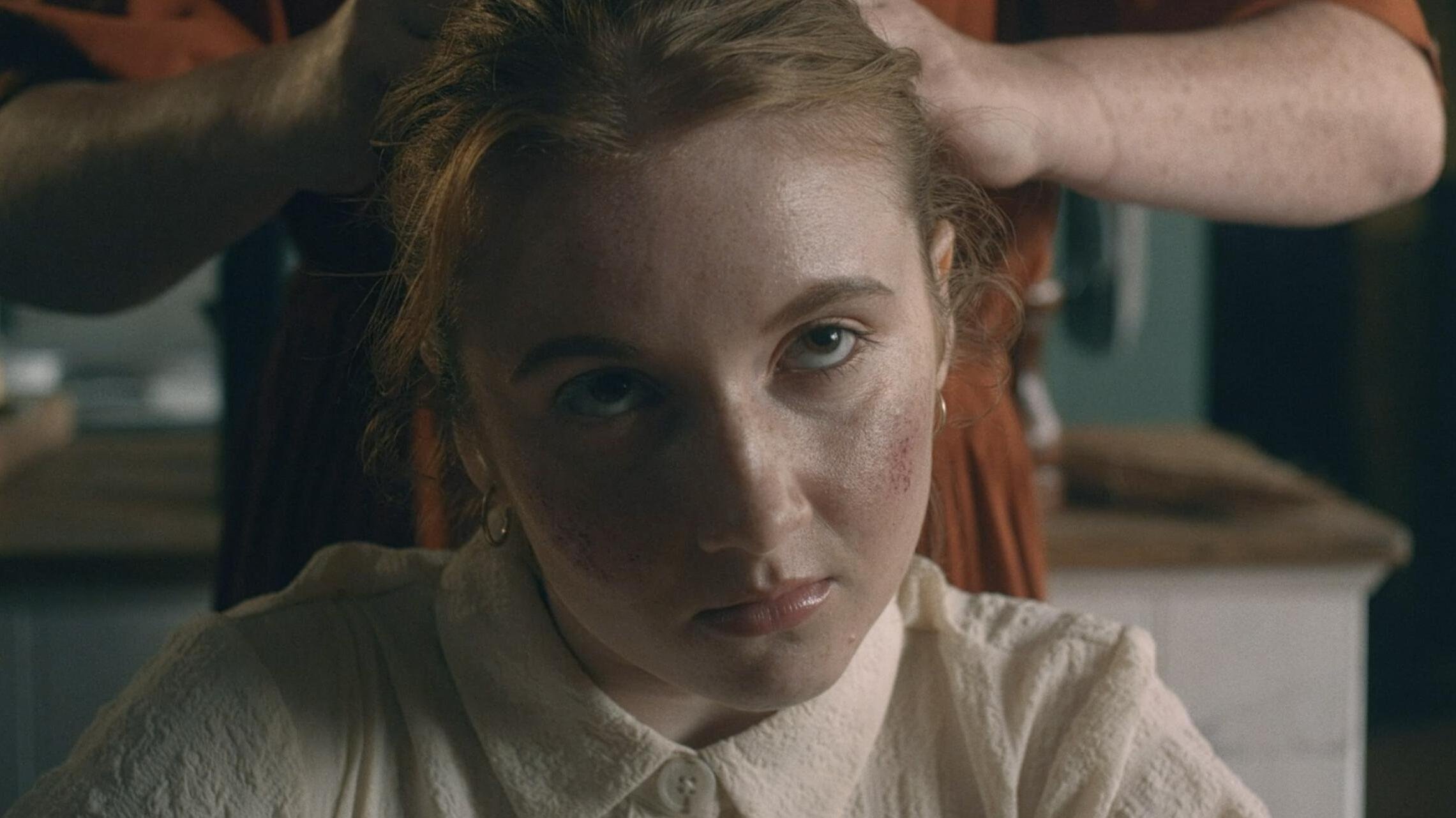
“A young girl is awakened to her burgeoning womanhood after an incident causes her to reassess her reality, which coincides with the beginning of her first menstruation.”
Delphyne (meaning ‘womb’) discusses the stigma around menstruation. Addressing shame and acceptance, taboos around menstrual blood are told through a fabric-themed metaphor, and the conflict between a mother-daughter relationship; to find a shared unity and language to beat the conflict which projects itself in the shame metaphor that they’ve unwound and removed from their life. The historical connotations of staining, feminine purity and the divide between private and public space as well as ownership of the body come into play. The coming of age theme is reflected in reference to her struggle with the self (alter-ego), struggle with the ‘other’ (male influence) and struggle with the home (her Mother).
Director
Writer
Status
Released
Original Language
EN
Based on true events about the foot soldiers of the early feminist movement, women who were forced underground to pursue a dangerous game of cat and mouse with an increasingly brutal State.