
User Score
3 votes
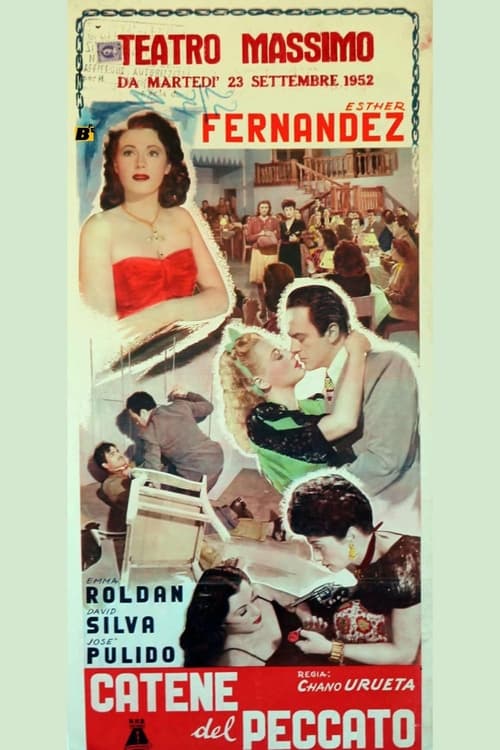
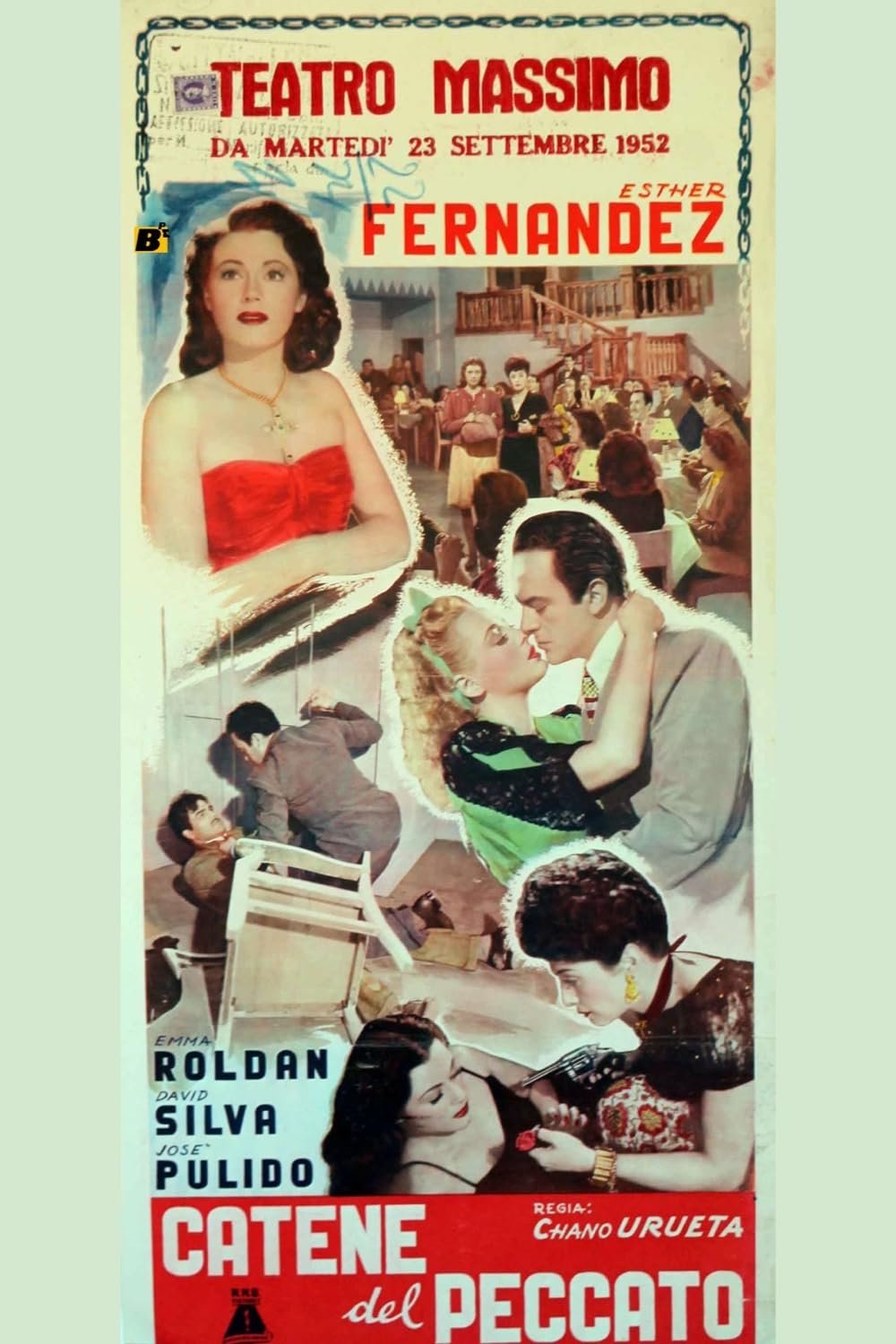
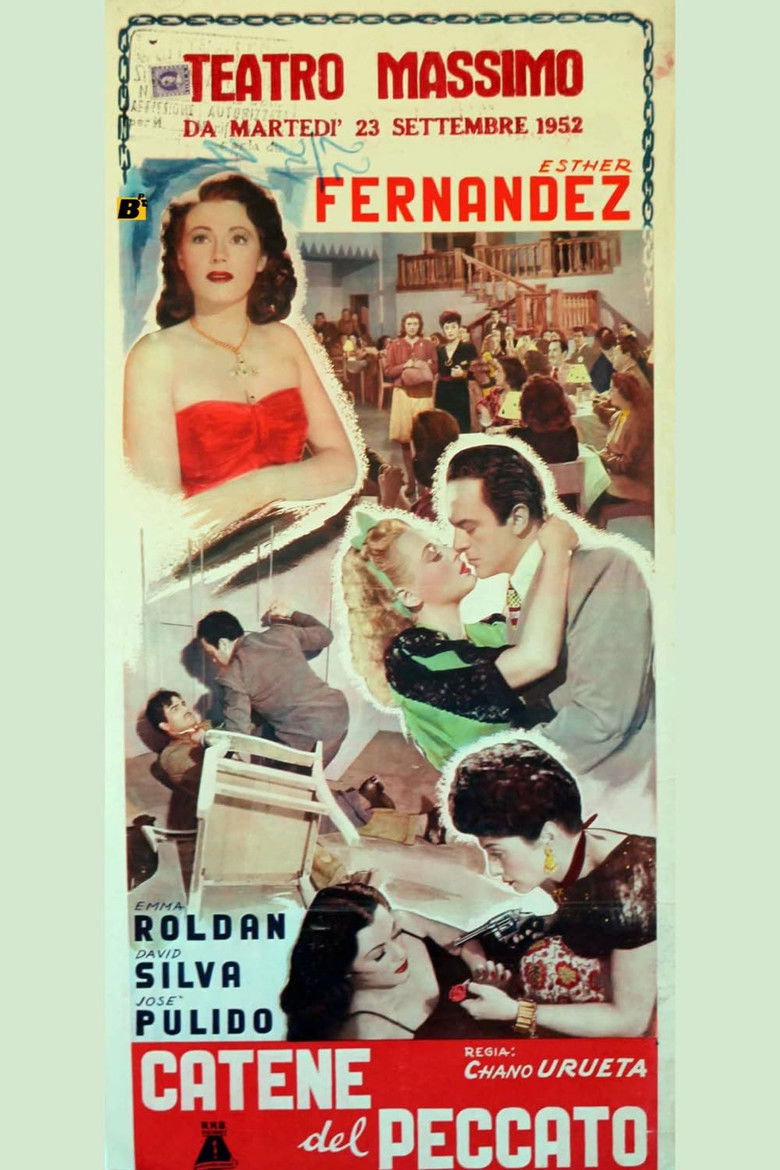
This post-World War II drama, (released to a world-wide audience on July 9, 1949), is definitively unique for the caliber of each of its contributing writers, who are clearly better-known for their cinematic talents in black and white . For instance, the film's Director Chano Urueta ( who became an acclaimed actor in his own right), actually co-wrote the script along with one of its principal actresses, namely Esther Fernandez, as well as adding in the literary abilities of a well-known movie-producer of the era named Luis Marique.
Director
Status
Released
Original Language
ES
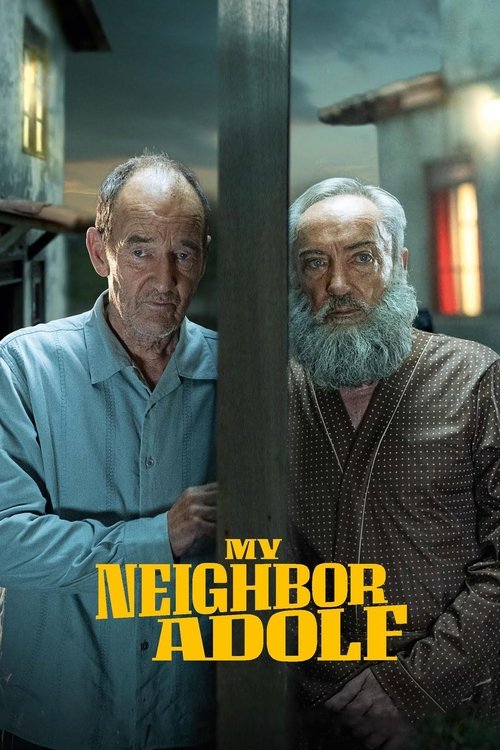
South America, 1960. A lonely and grumpy Holocaust survivor convinces himself that his new neighbor is none other than Adolf Hitler. Not being taken seriously, he starts an independent investigation to prove his claim, but when the evidence still appears to be inconclusive, Polsky is forced to engage in a relationship with the enemy in order to obtain irrefutable proof.