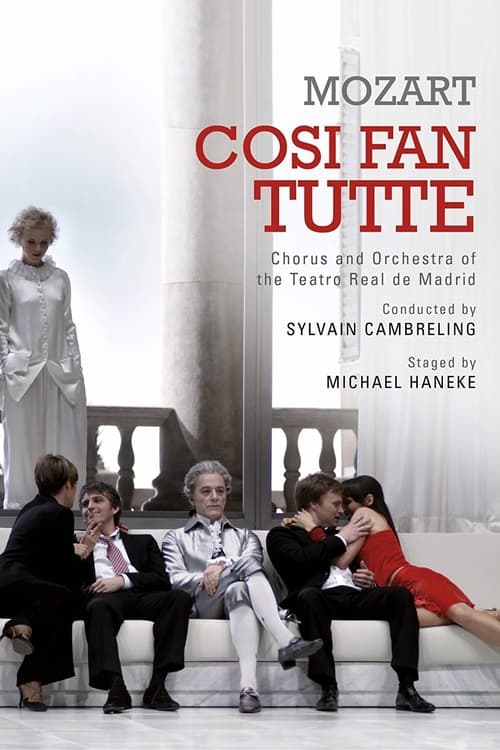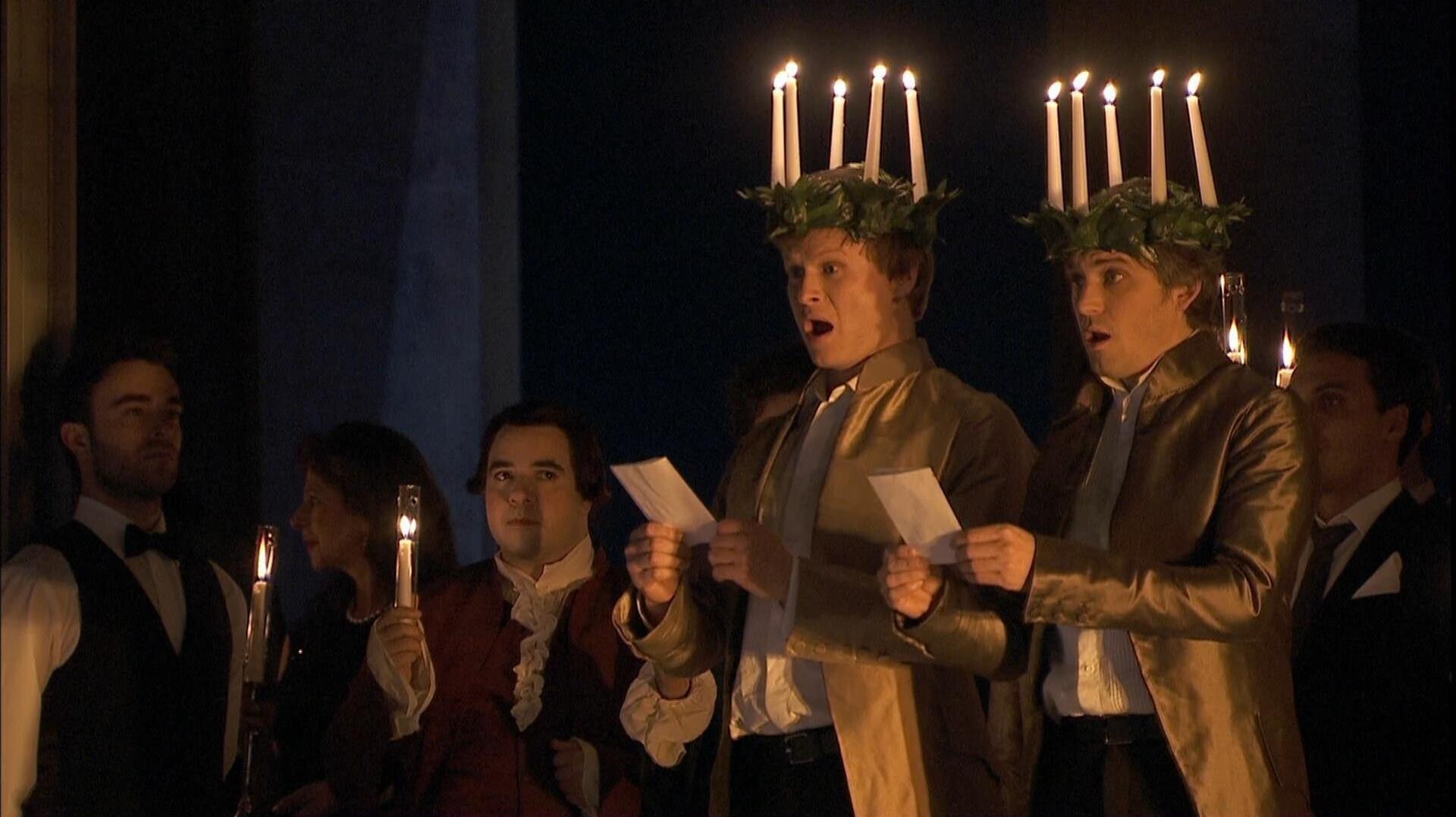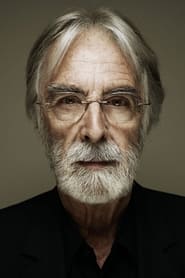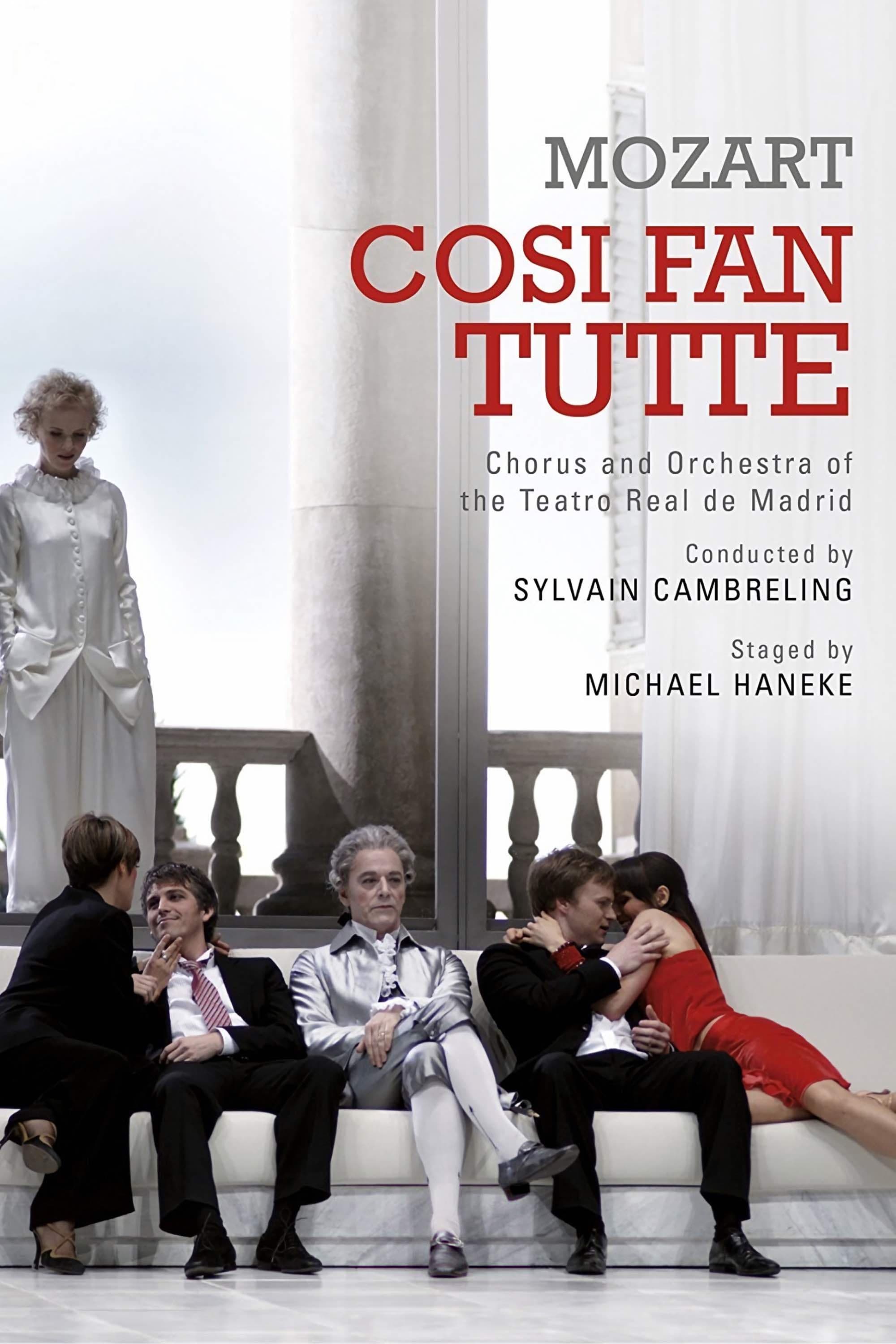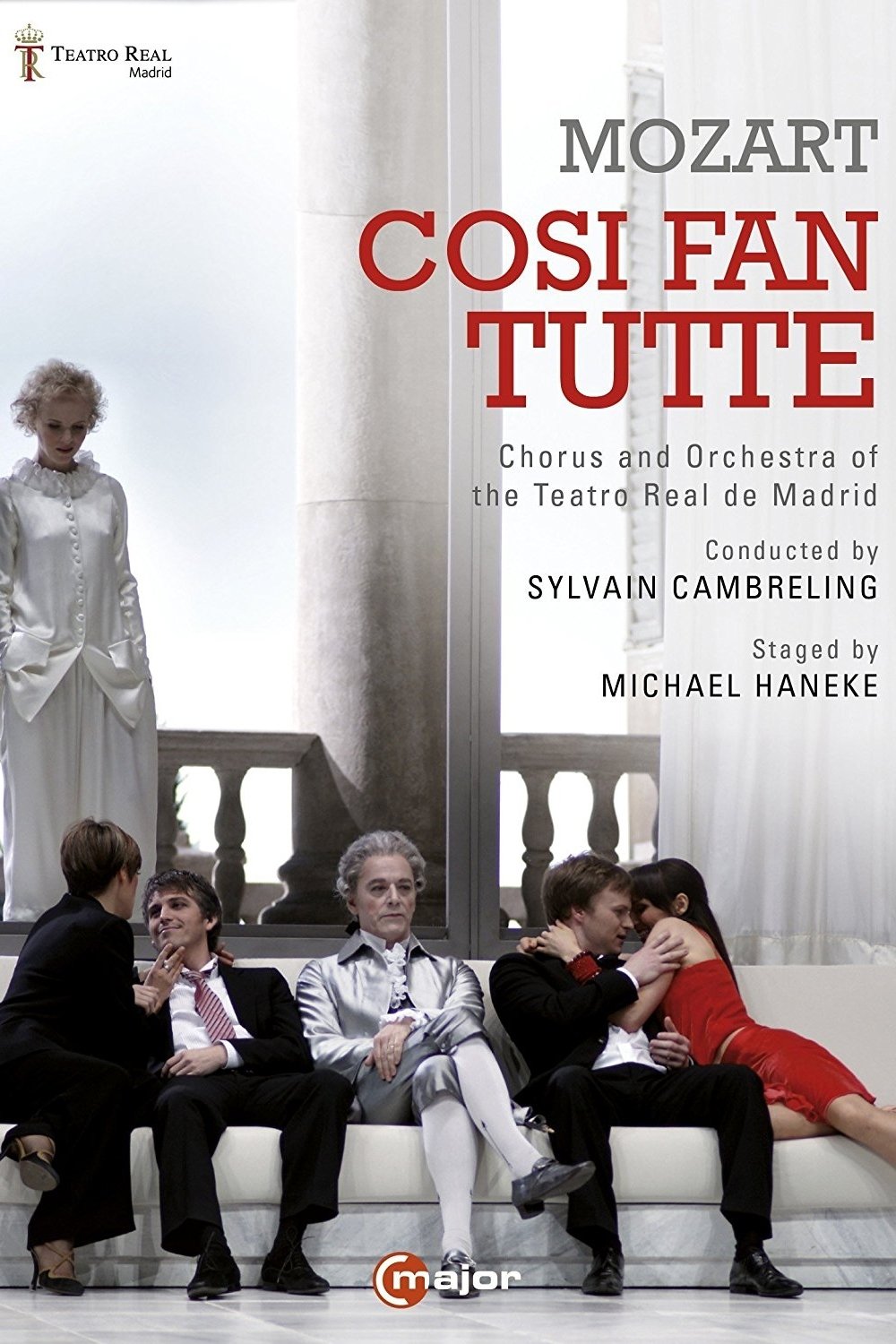

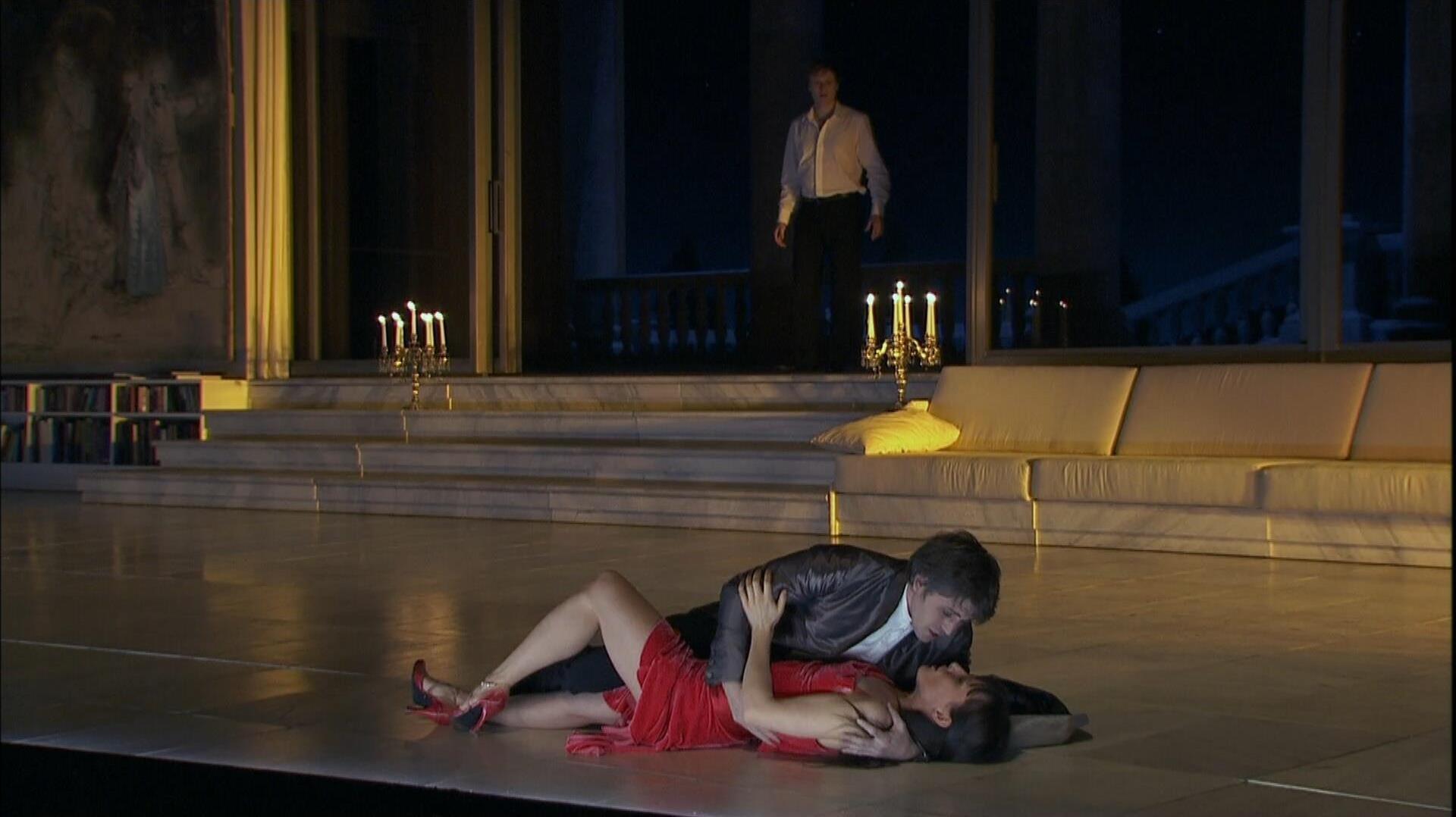
Who loves whom in Così fan tutte, Mozart’s and Da Ponte’s cruelly comic reflection on desire, fidelity and betrayal? Or have the confusions to which the main characters subject one another ensured that in spite of the heartfelt love duets and superficially fleetfooted comedy nothing will work any longer and that a sense of emotional erosion has replaced true feelings? Così fan tutte is a timeless work full of questions that affect us all. The Academy Award-winning director Michael Haneke once said that he was merely being precise and did not want to distort reality. In only his second opera production after Don Giovanni in 2006, he presents what ARTE described as a “disillusioned vision of love in an ice-cold, realistic interpretation”.
Director
Writer
Status
Released
Original Language
IT

Guglielmo
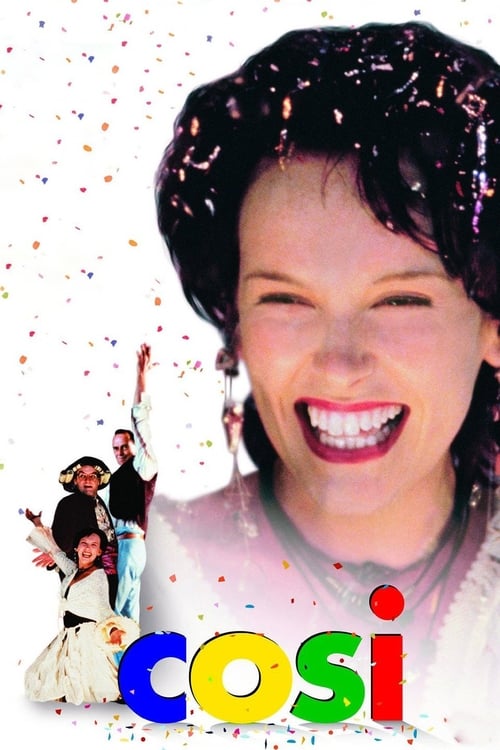
Lewis, a young amateur theater director, is offered a job with a governmental program for the rehabilitation of mentally ill patients in a Sydney institution. His project is overrun by one of the patients, who wants to stage the opera Cosi Fan Tutte by Mozart, despite the fact that none of the patients can sing or speak Italian. A comedy of errors ensues, but one which unifies the patients and their director in unexpected ways.