
User Score
1 votes
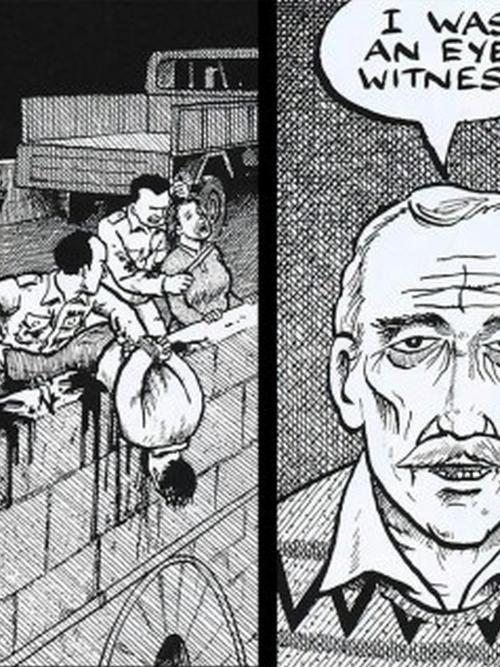
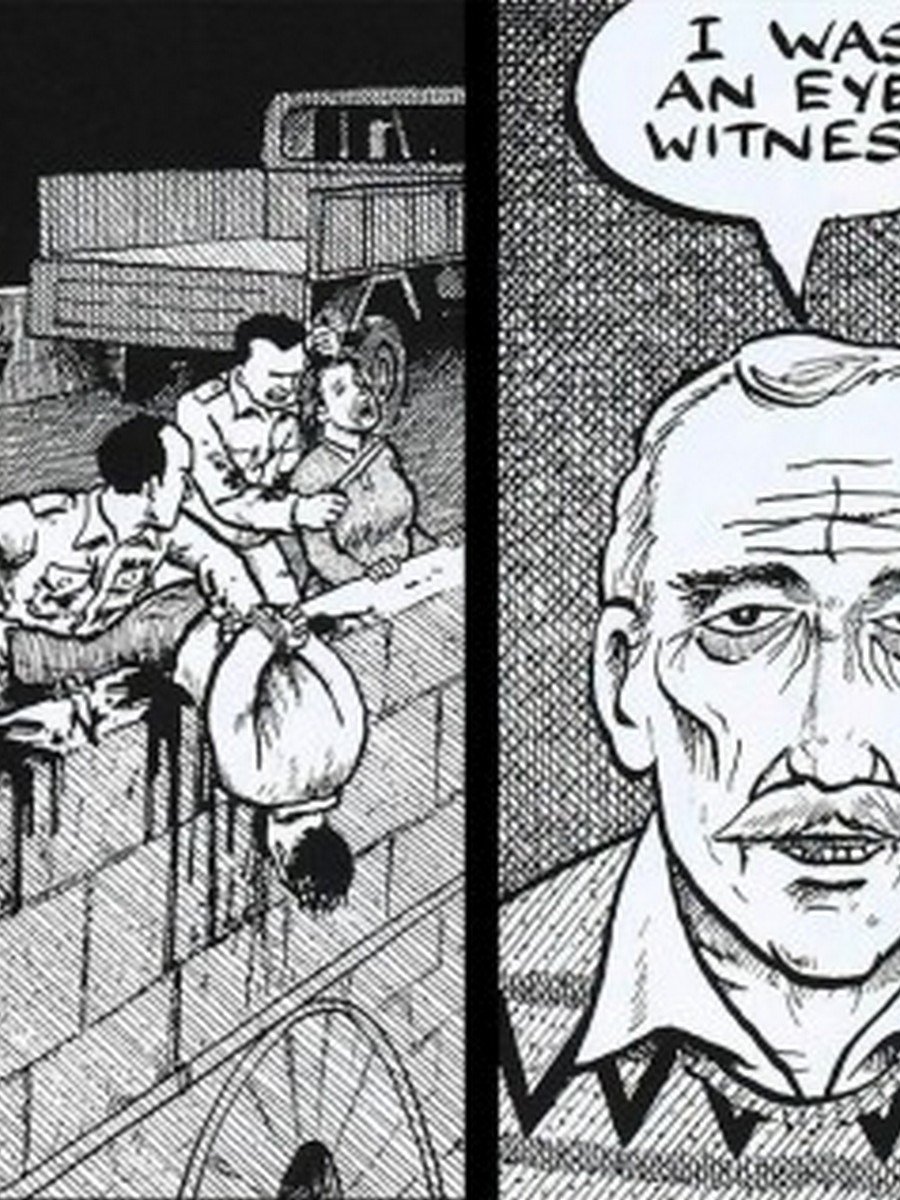
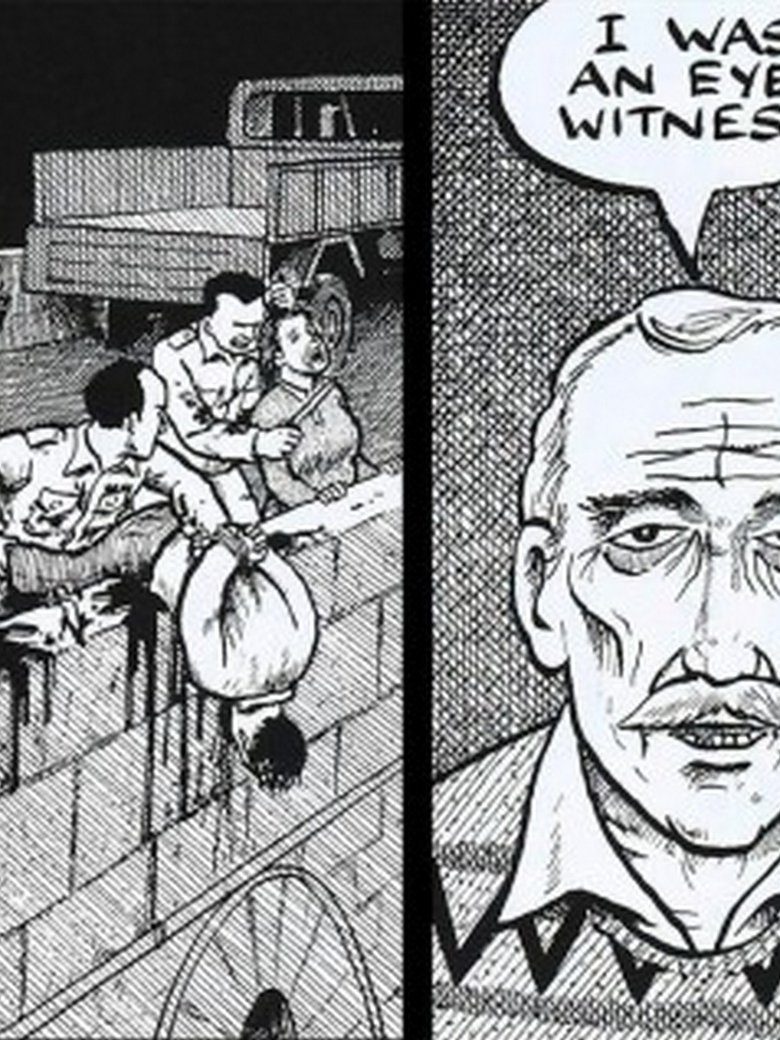
The universe of comic books is a worldwide pop mythology, a Pantheon in cheap newsprint and saturated colors. For almost 100 years comic books have provided fantasy, escape, and compensation for adolescents who often feel powerless and misunderstood in their daily lives. Fantasies of power are inevitably violent, but the violence in comic books has no consequences. After all, it's just the stroke of a pen... But what happens when the comic book meets real war? In this age of hundreds of television stations, 24-hour news, worldwide instantaneous satellite transmission and thousands of web sites updated hourly, the lowly comic book has become a documentary medium, providing a real understanding of the human dimensions of war, genocide and revolution. It's a new journalistic form. Comic Books Go To War explores the journalistic, aesthetic and political implications of reporting the most violent and terrible of human experiences through "comix."
Director
Writer
Status
Released
Original Language
IT
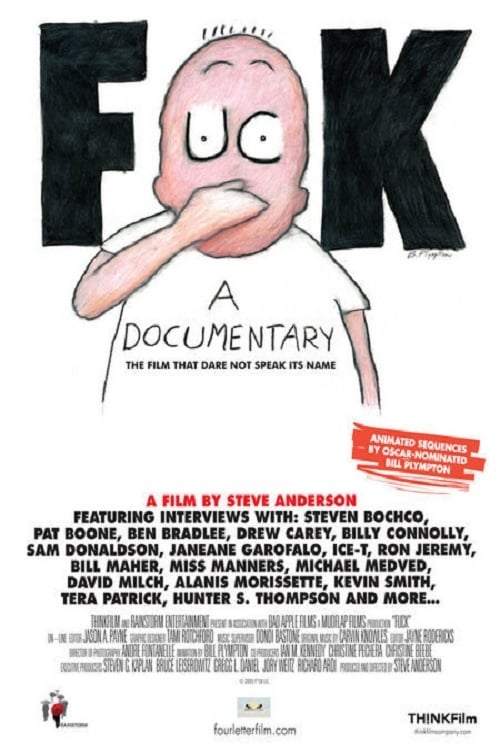
A documentary on the expletive's origin, why it offends some people so deeply, and what can be gained from its use.