User Score
23 votes
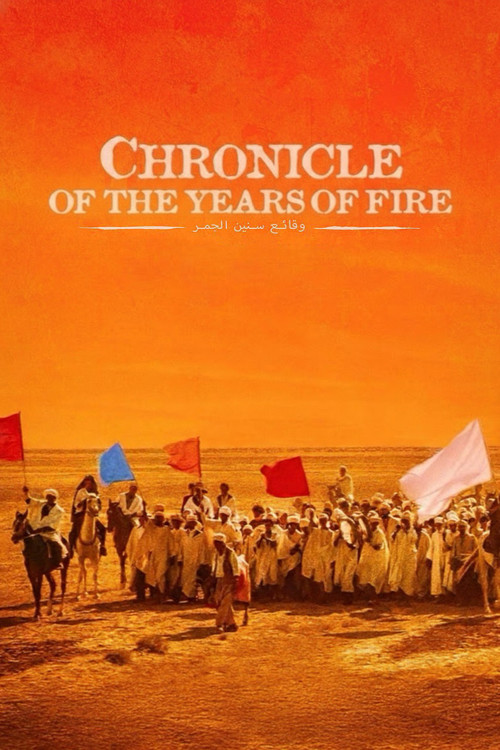
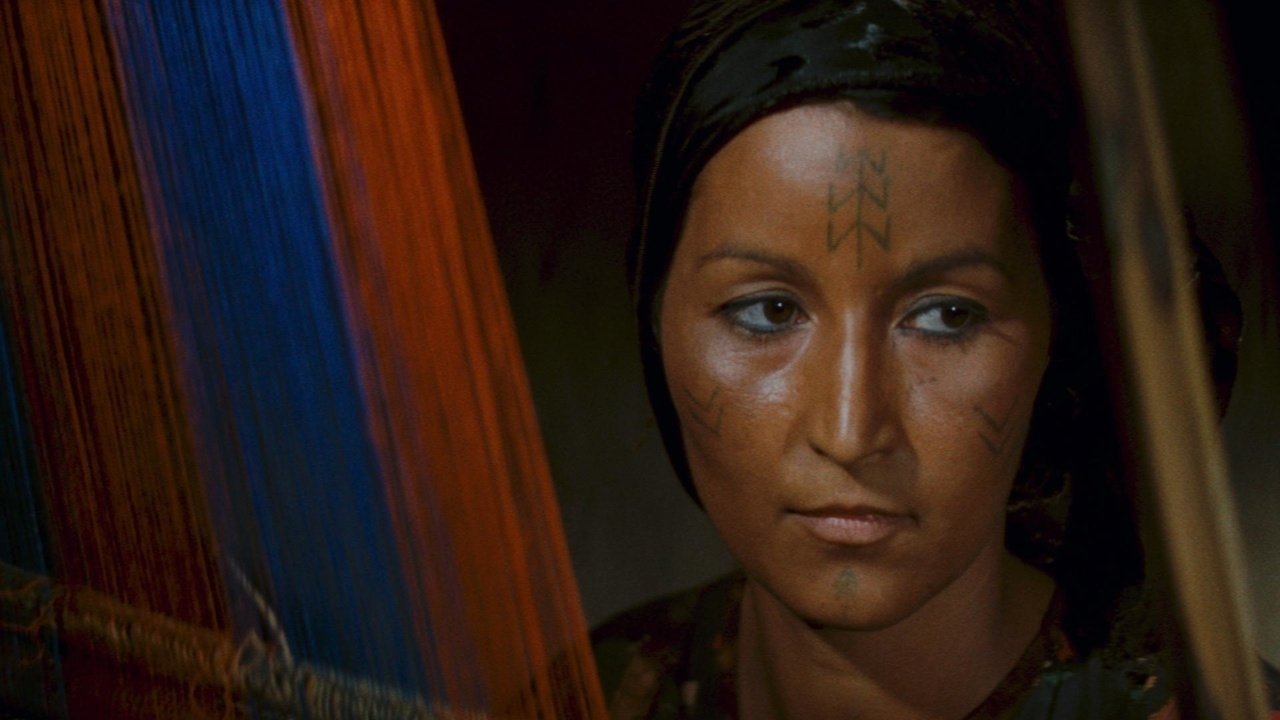
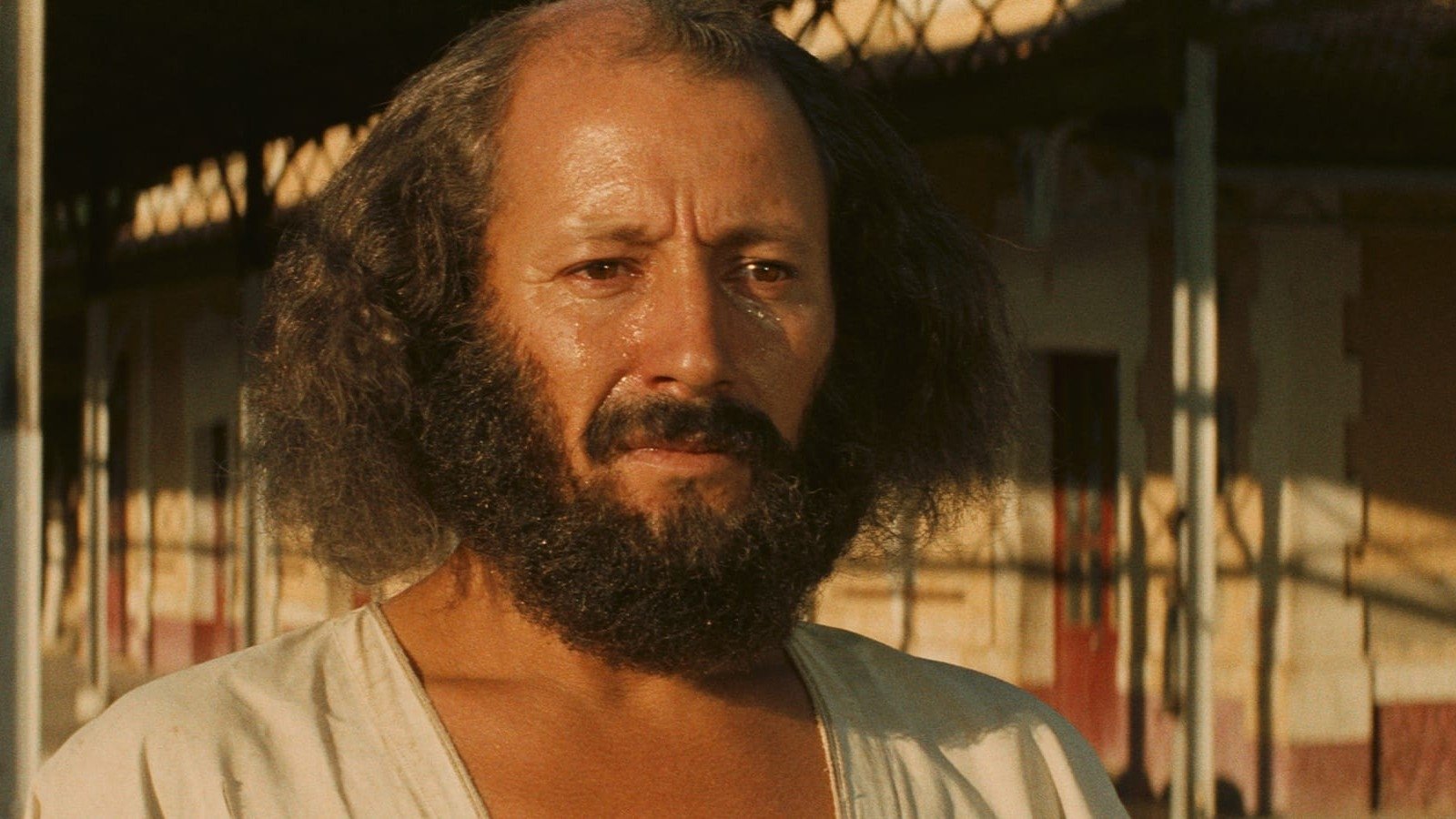
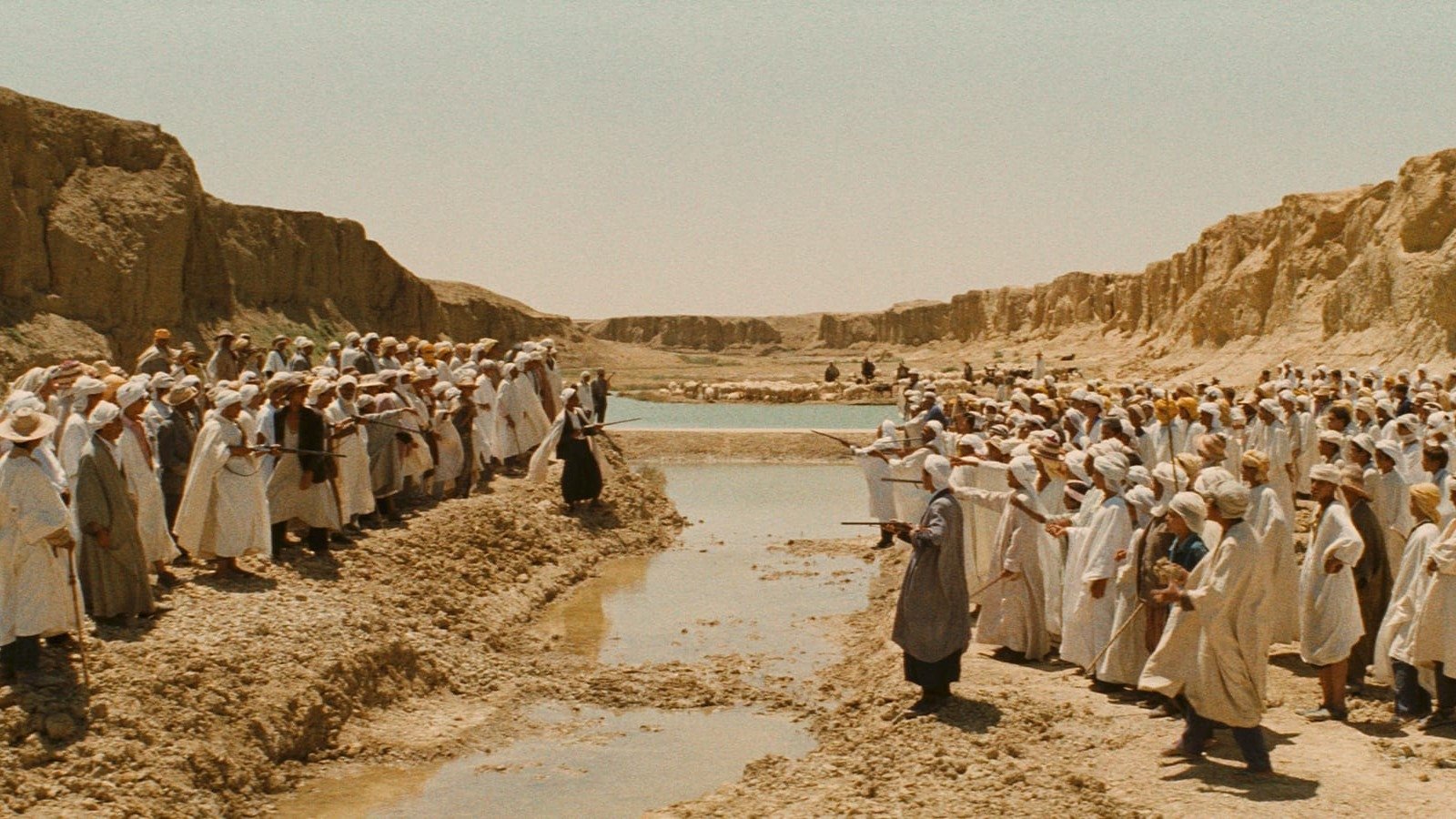
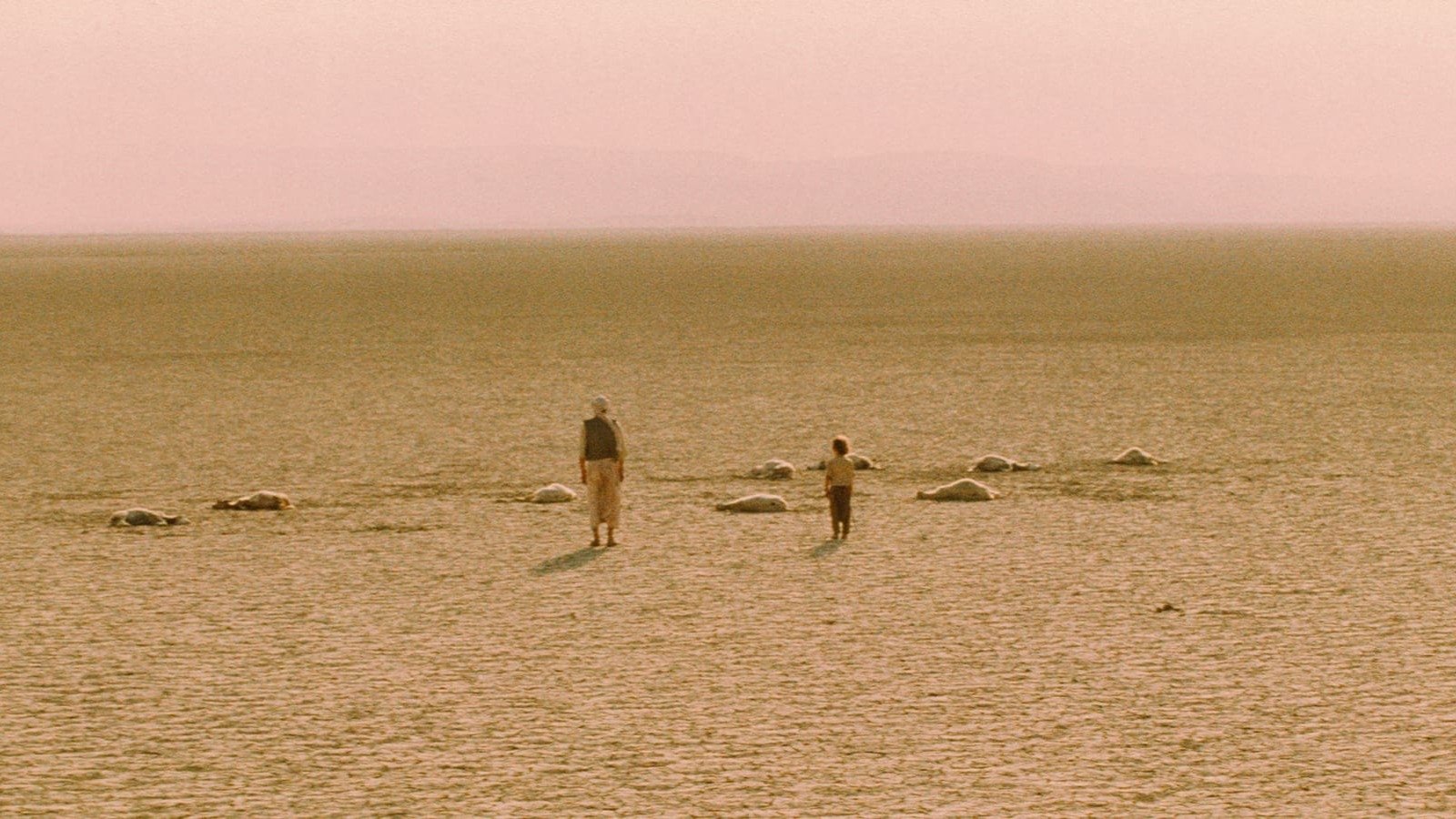
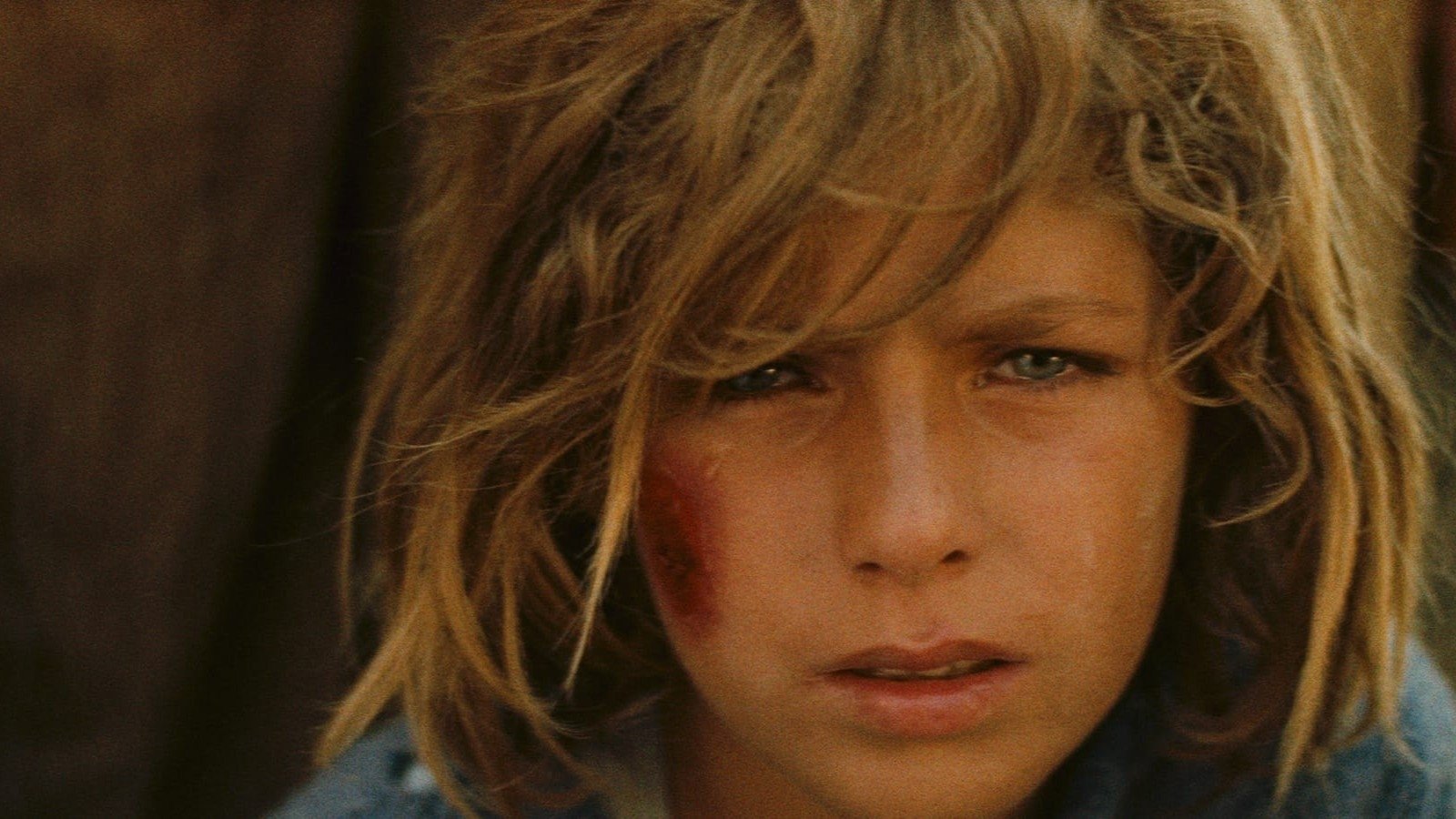
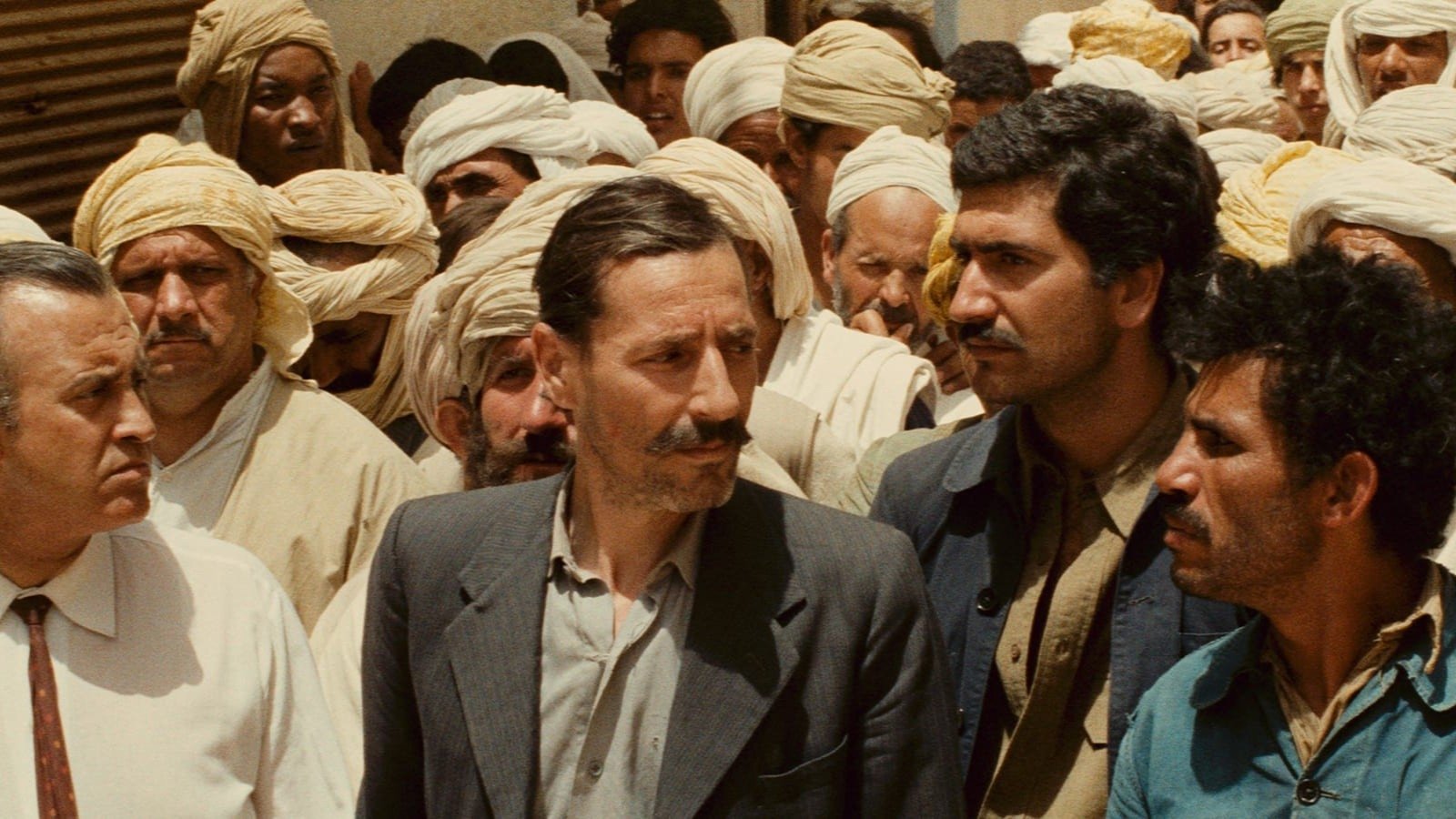
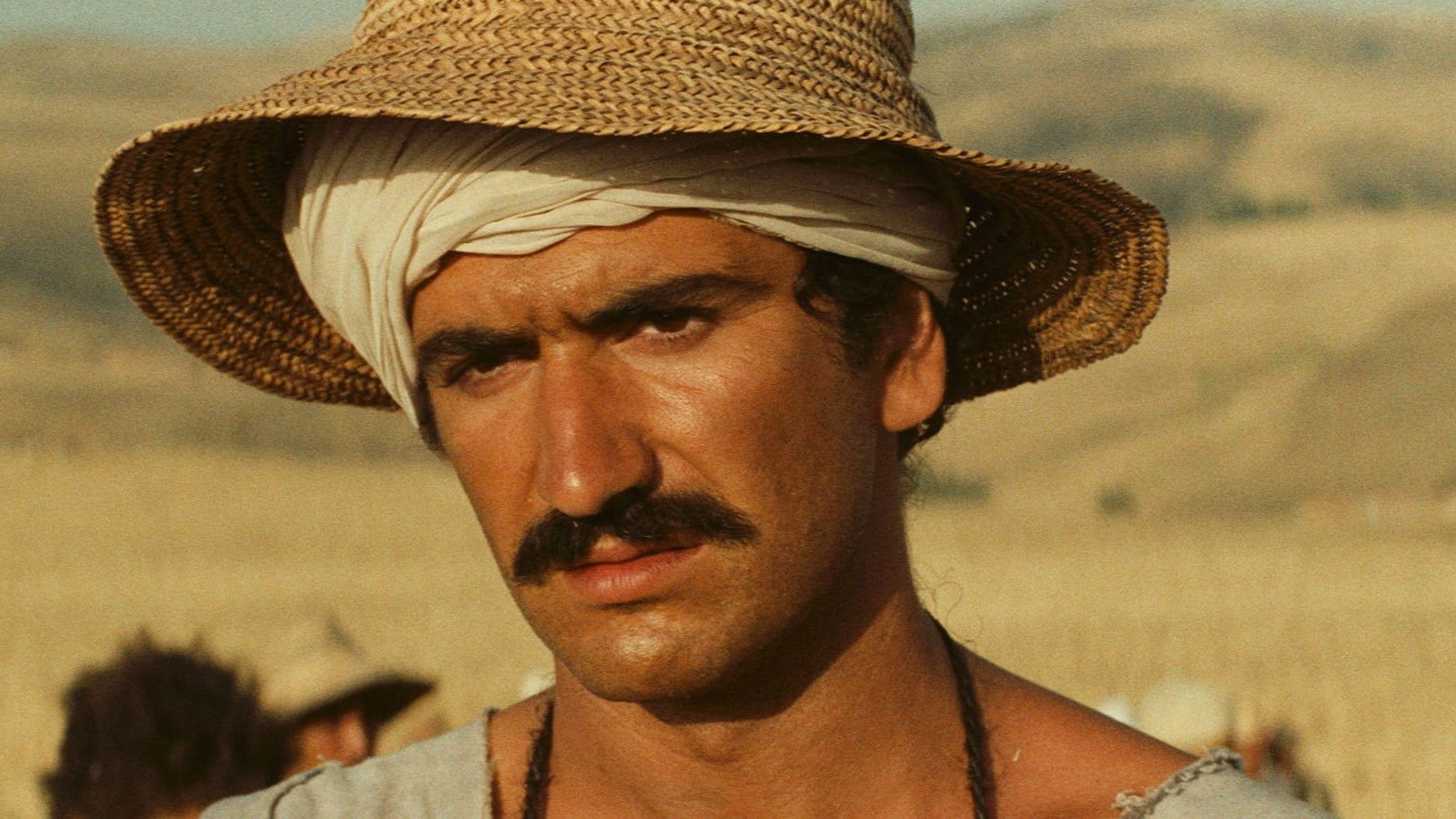
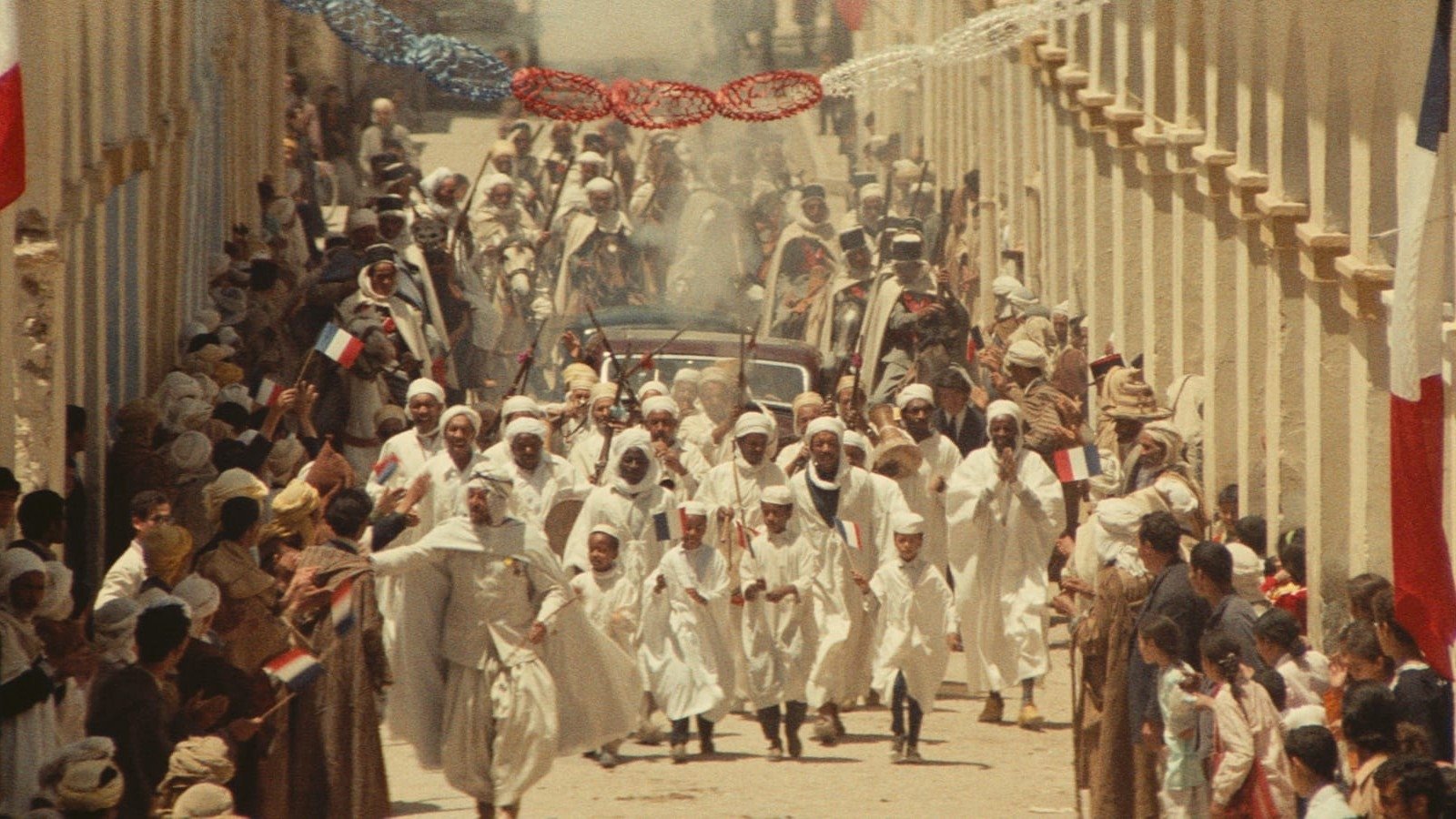
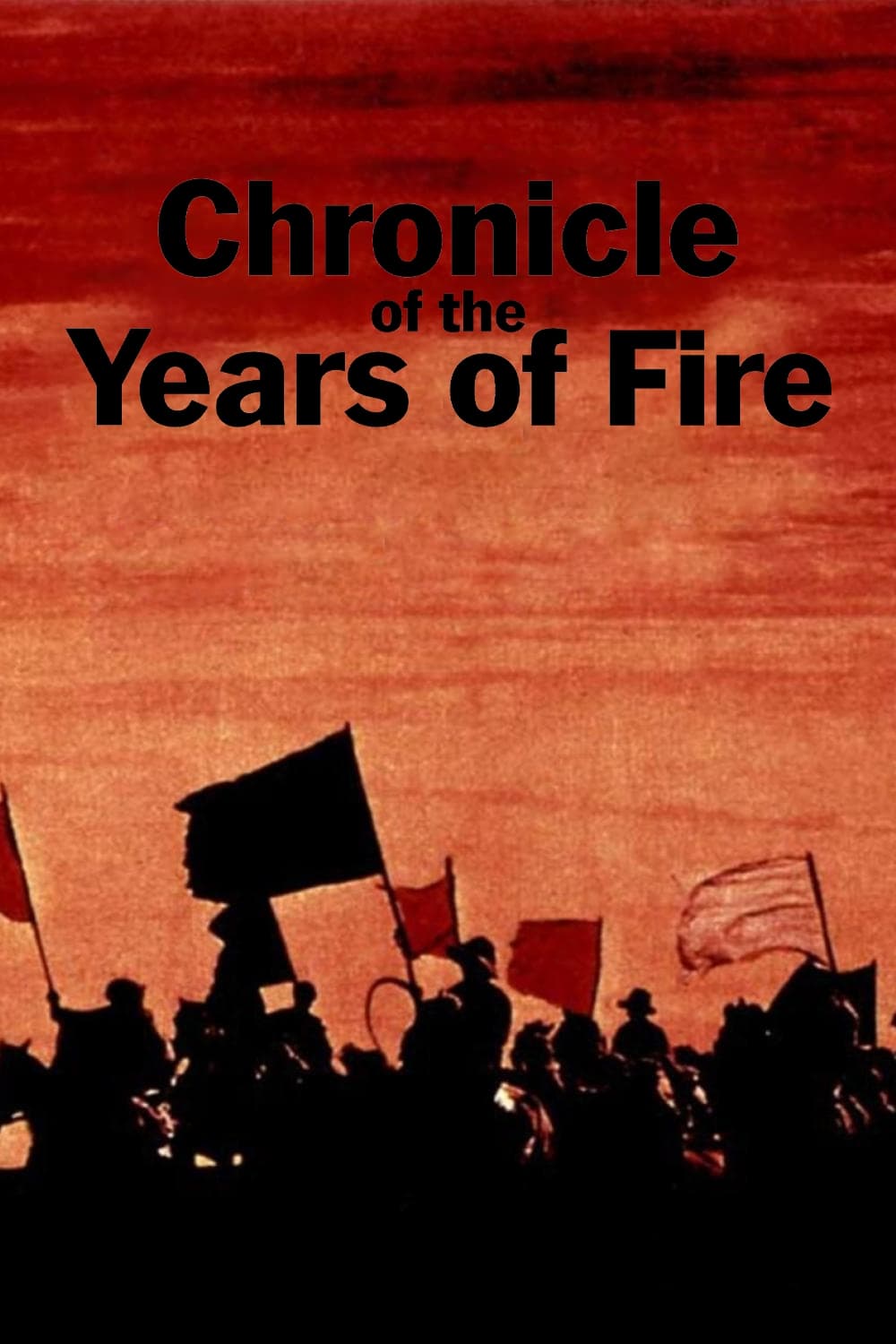
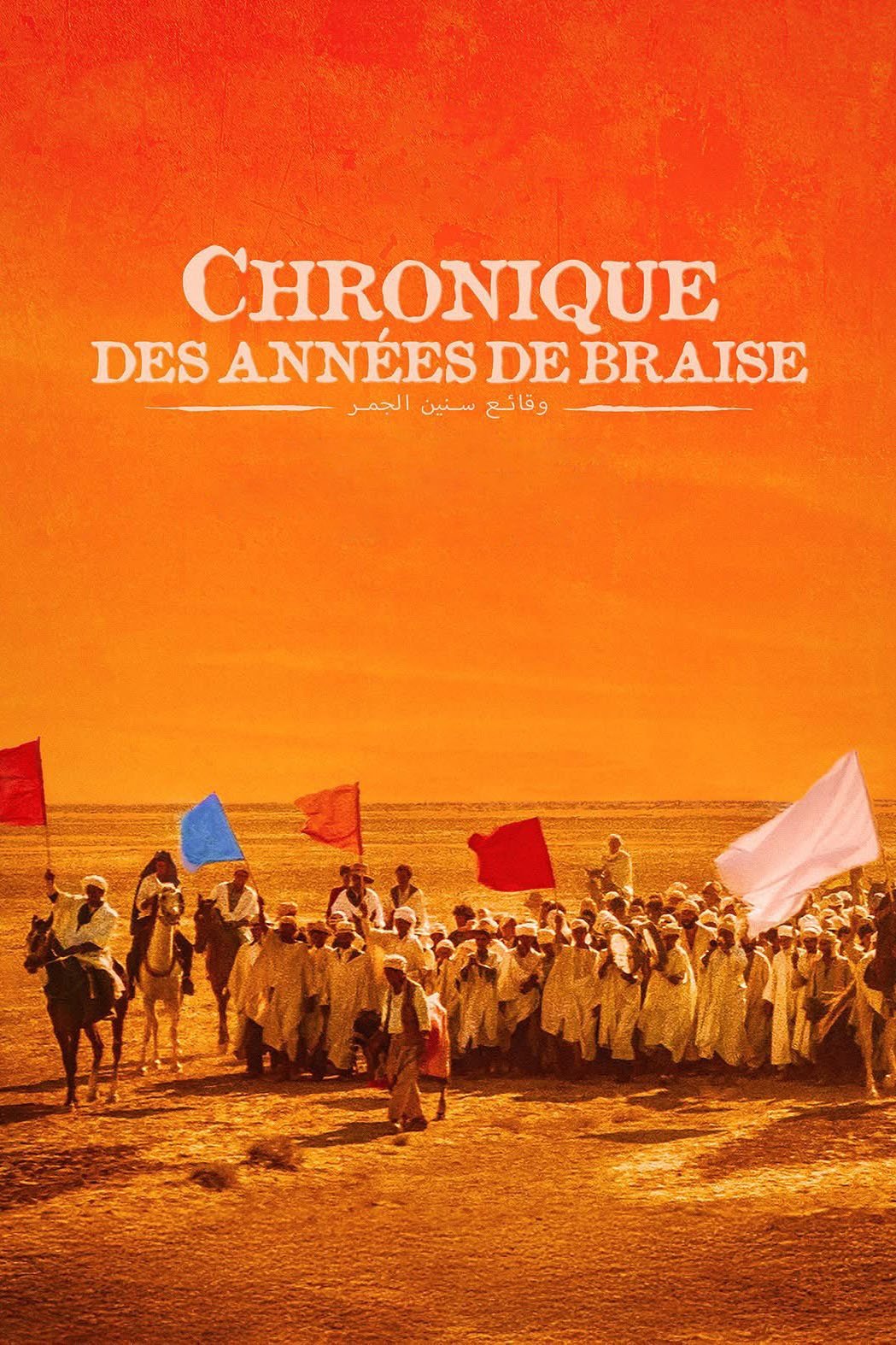
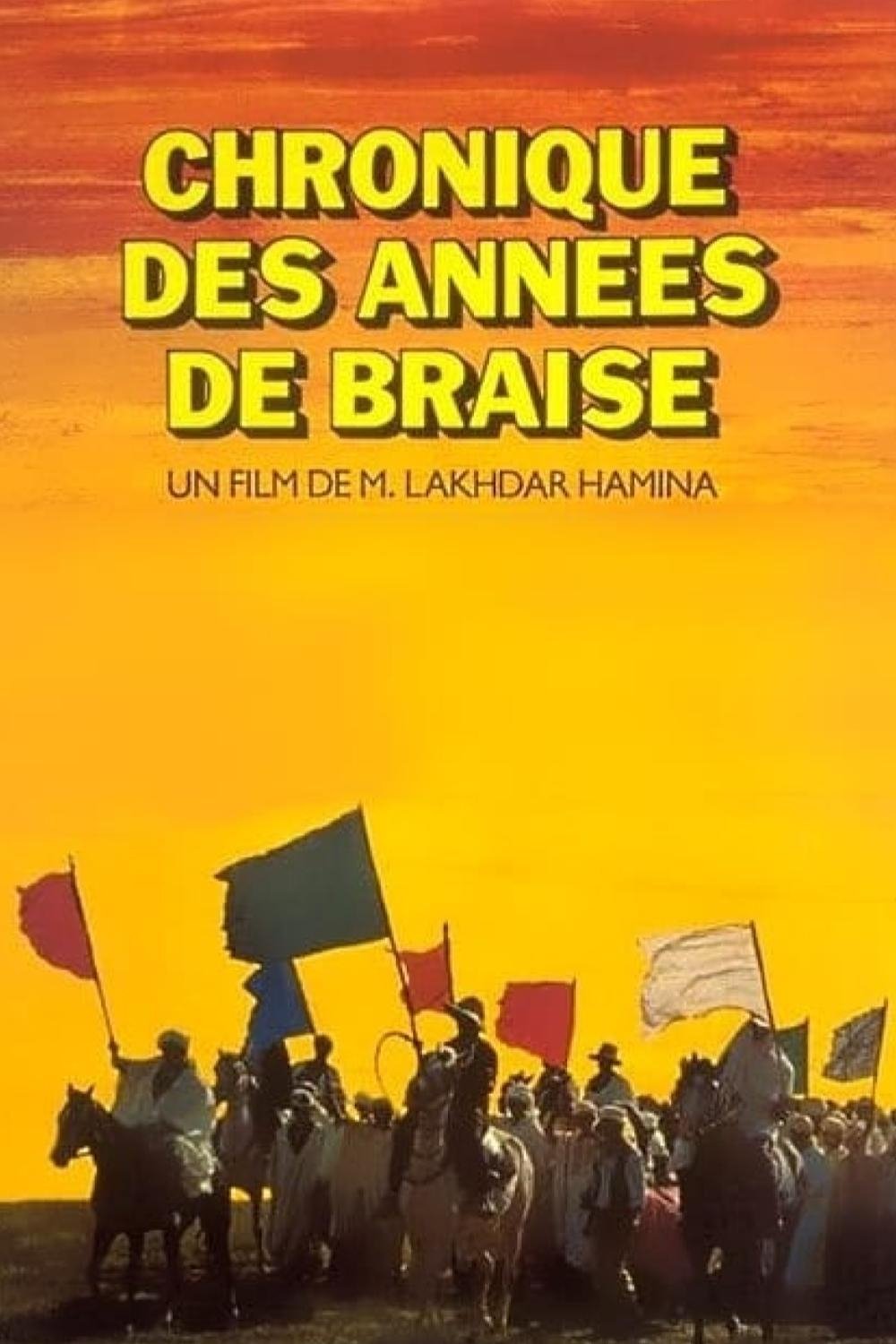
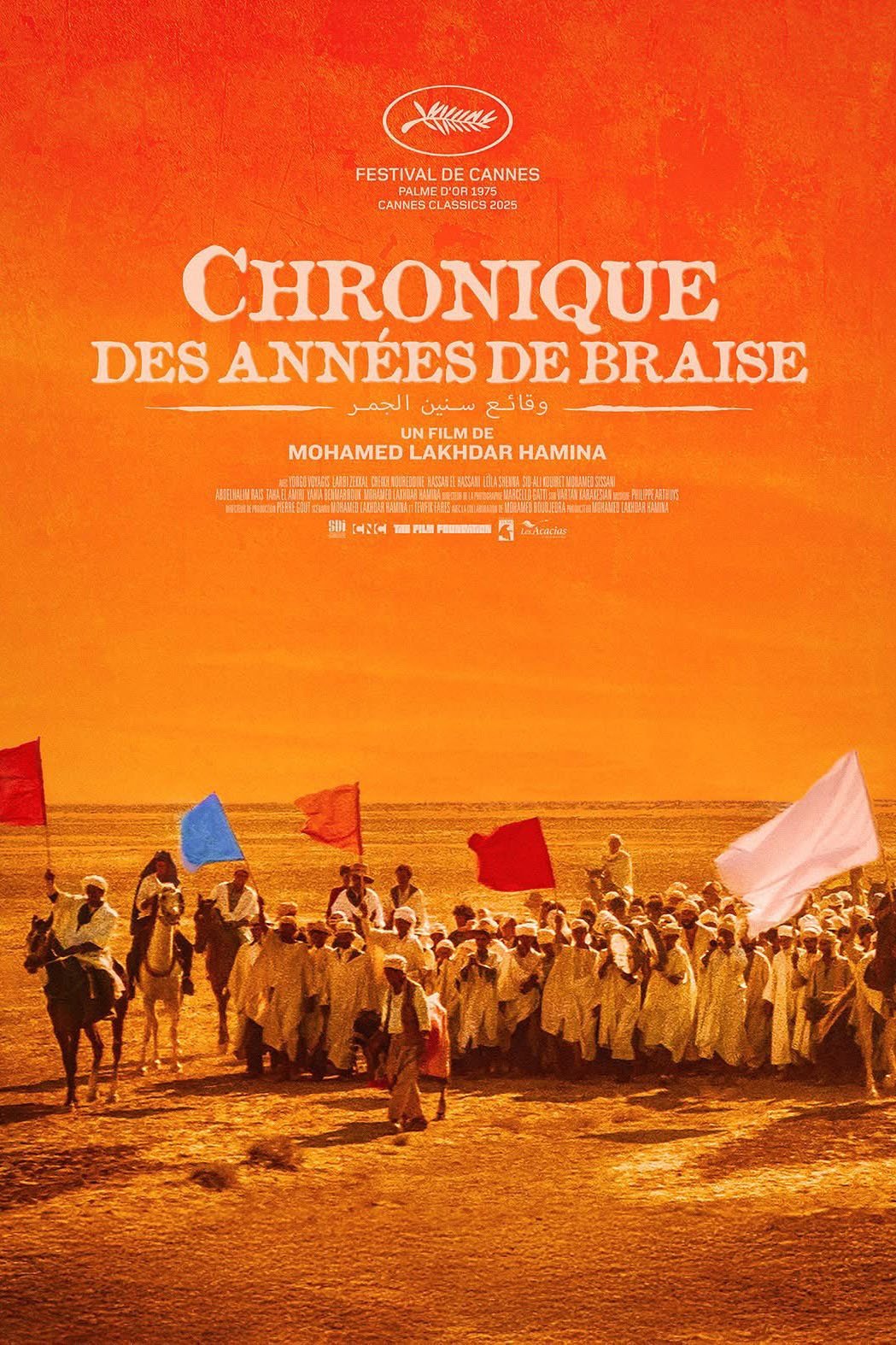
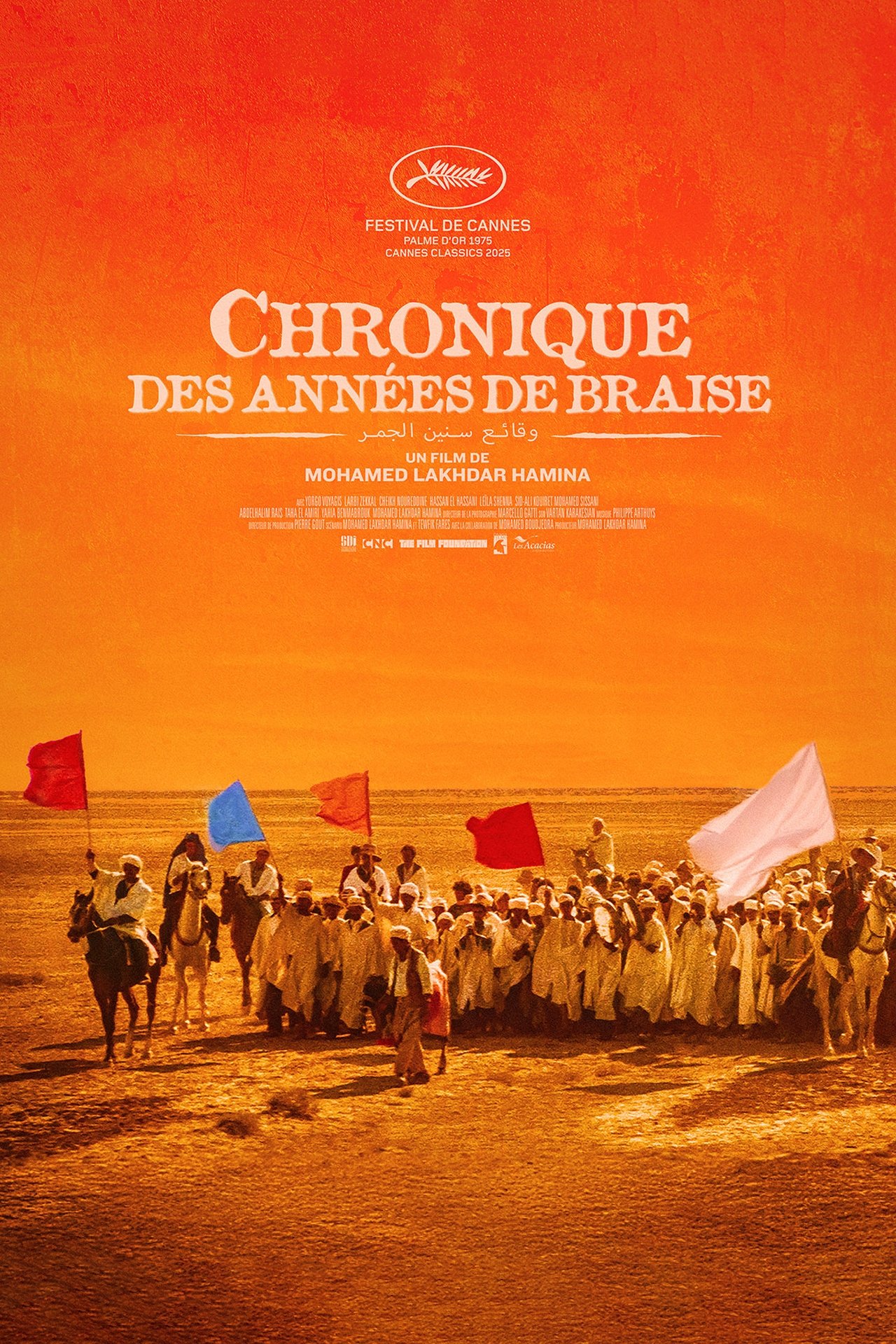
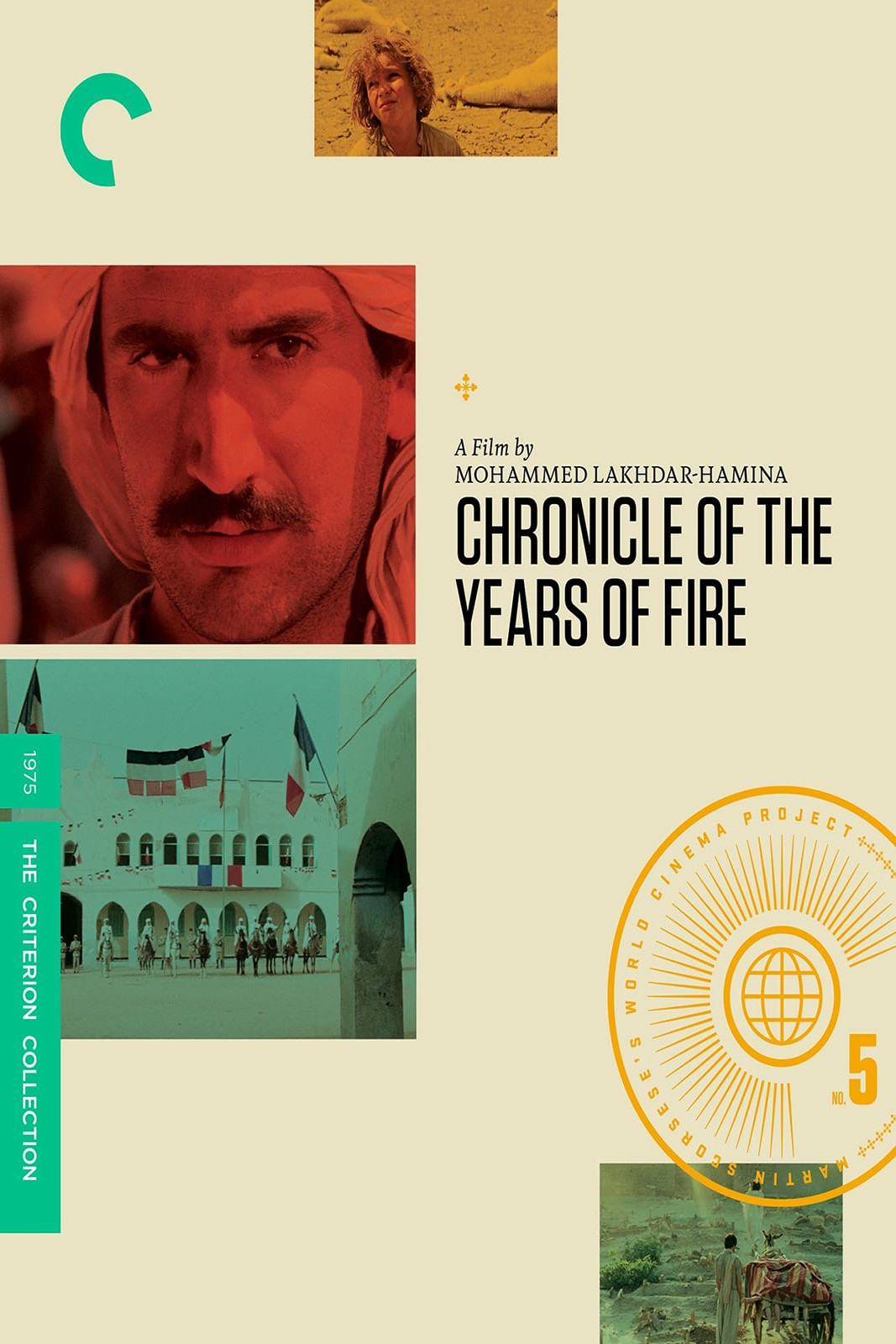
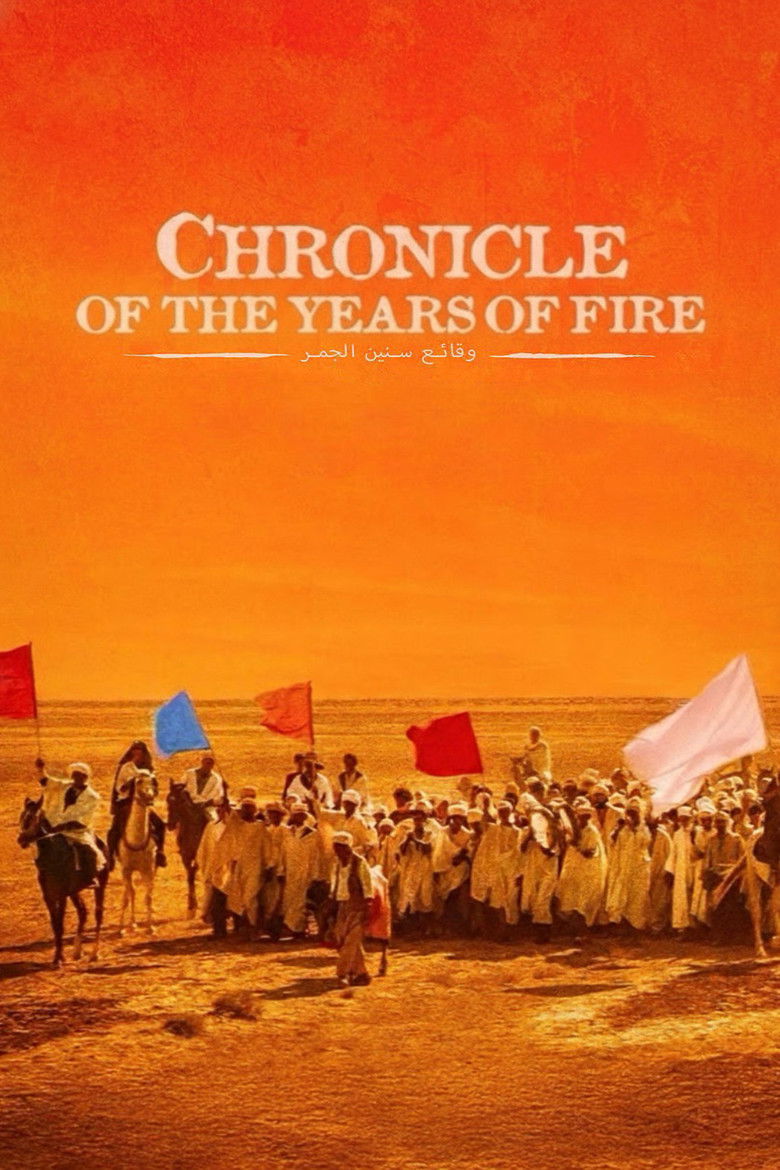
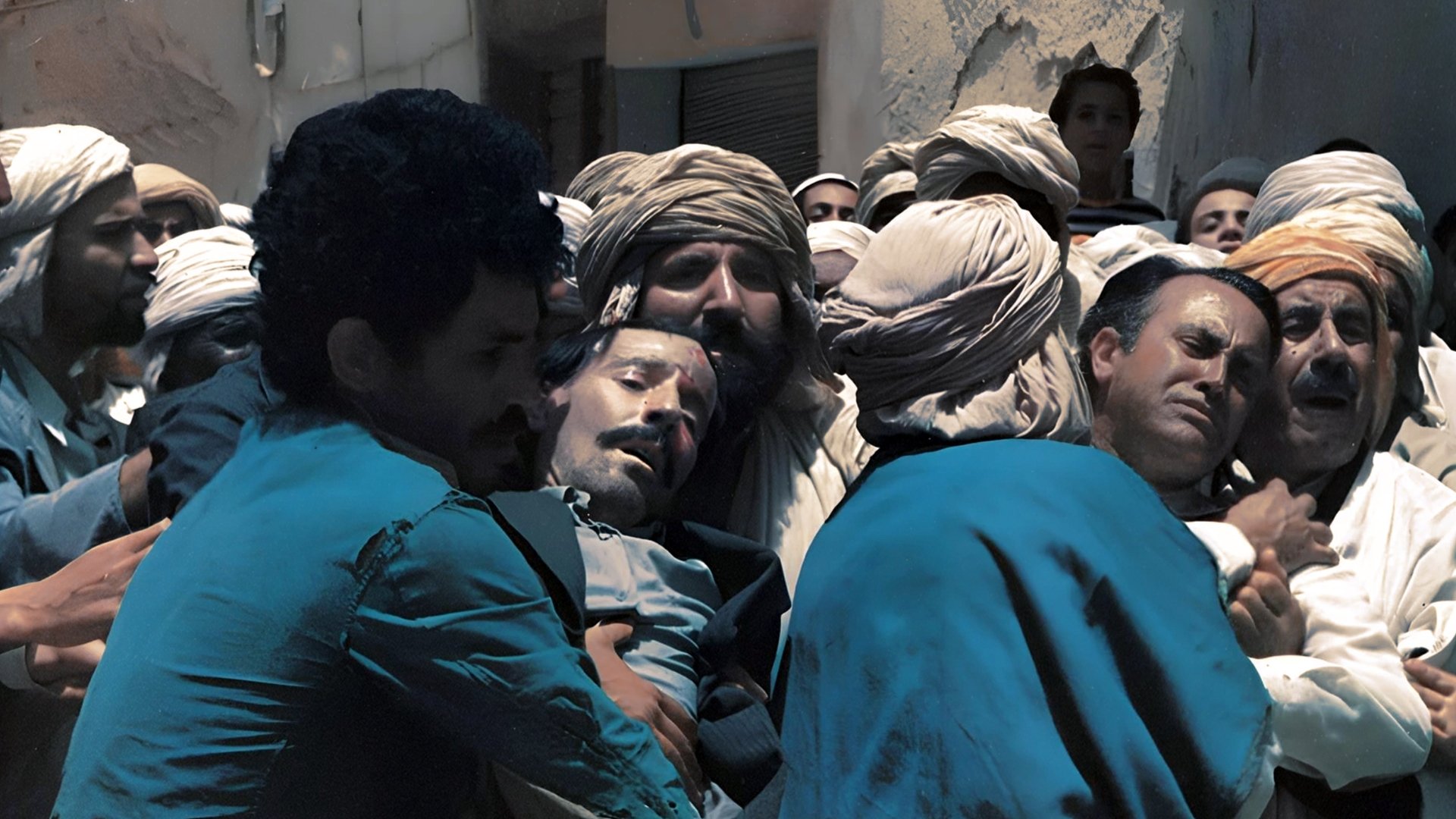
A meticulous chronicle of the evolution of the Algerian national movement from 1939 until the outbreak of the revolution on November 1, 1954, the film unequivocally demonstrates that the "Algerian War" is not an accident of history, but a slow process of suffering and warlike revolts, uninterrupted, from the start of colonization in 1830, until this "Red All Saints' Day" of November 1, 1954. At its center, Ahmed gradually awakens to political awareness against colonization, under the gaze of his son, a symbol of the new Algeria, and that of Miloud, half-mad haranguer, half-prophet, incarnation of Popular memory of the revolt, the liberation of Algeria and its people.
Director
Writer
Writer
Writer
Status
Released
Original Language
AR
When Mila arrives at the asylum center, Jahia's life changes dramatically. Jahia has previously kept to herself, spending her evenings in the kitchen where she cooks for her mother, who is haunted by memories of their escape from Burkina Faso. Alongside a stern directive that she must go to school, a new girl appears at the center. Mila's forced but genuine optimism breaks through Jahia's barrier, but the wait for the life-altering asylum decision remains terrifying. And one day, Mila and her family receive their verdict. In this deeply unsettling but still hopeful drama, we follow two vulnerable friends who try to navigate an unstable and artificial everyday life, where life has an expiration date. Or a new beginning.