
User Score
0 votes
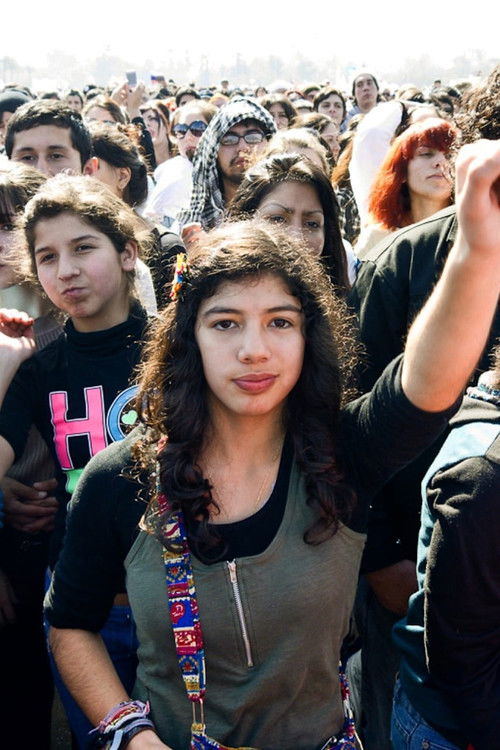
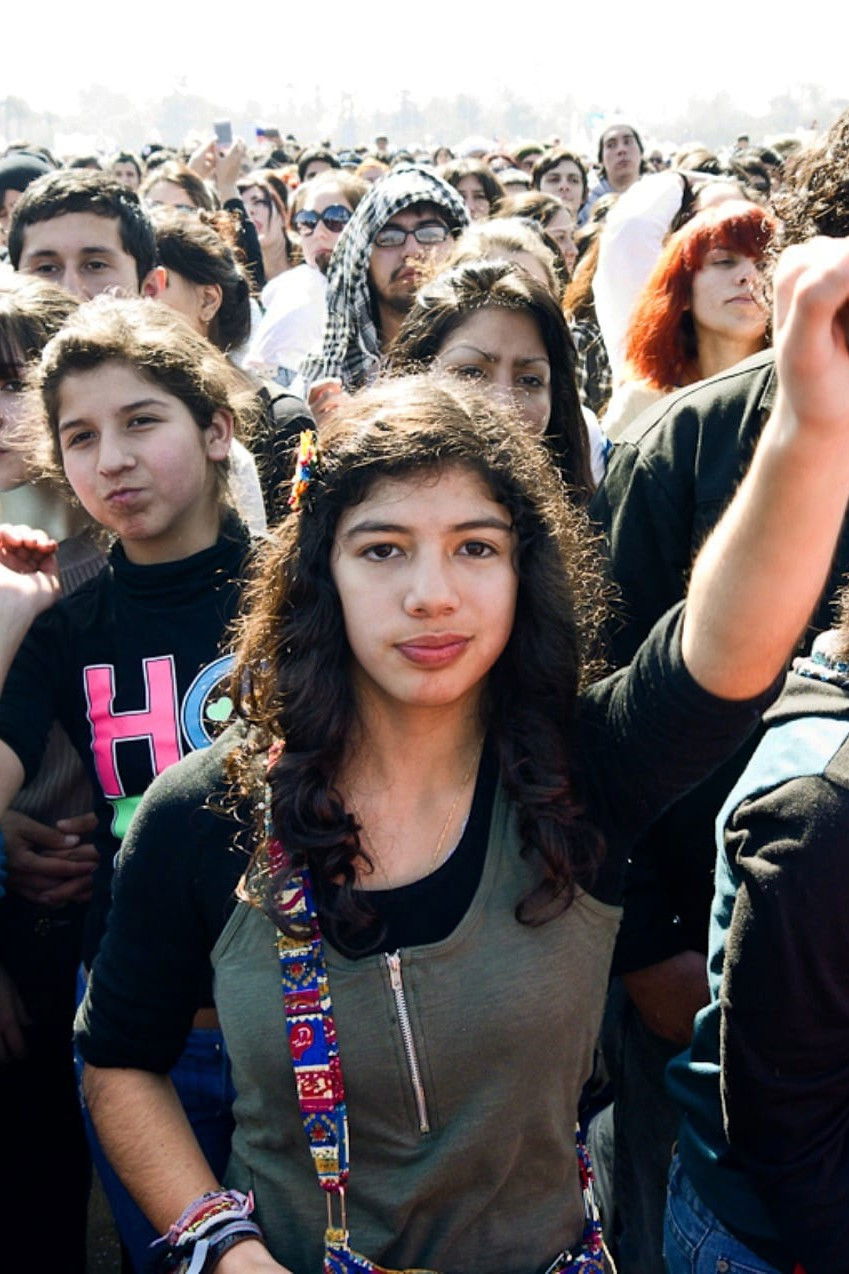
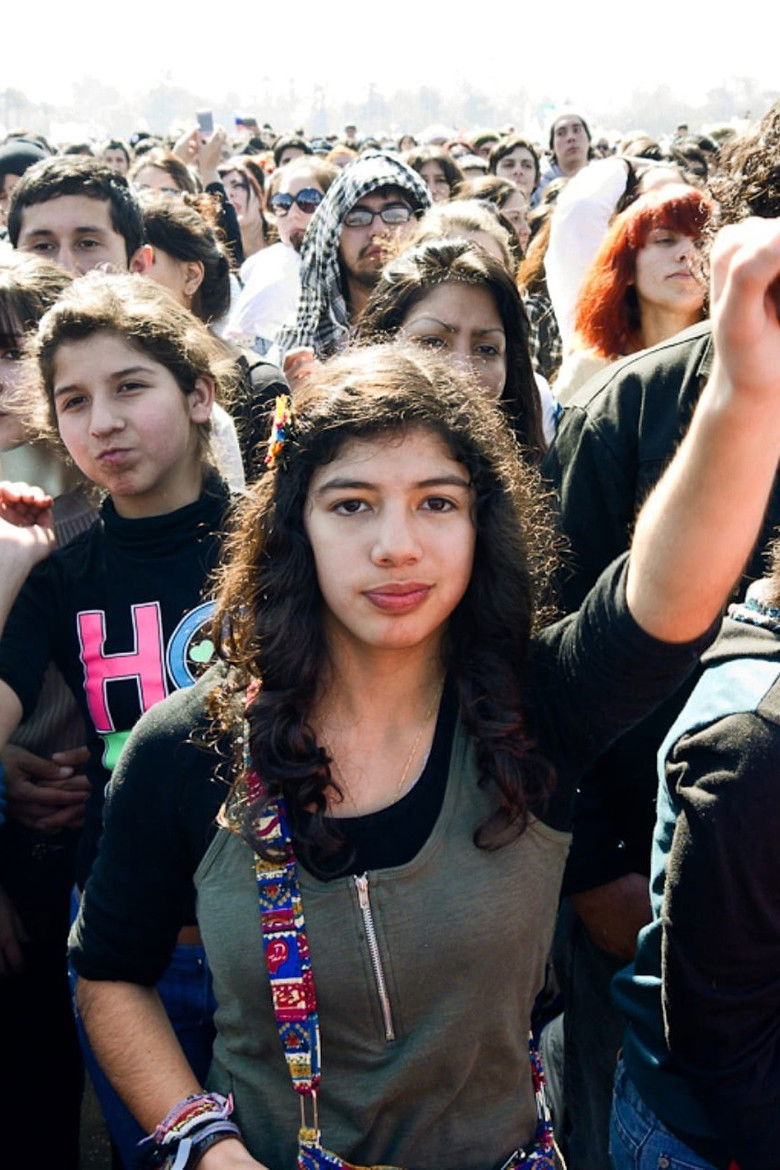
Mass student protests took place in Chile between 2011 and 2013 demanding a free and state-funded education system and radical change in society. CHILE'S STUDENT UPRISING puts these protests in their historical context of widespread dissatisfaction with the economic model put in place under the Pinochet dictatorship (1973-1990), but that still remains largely in place. The film’s director travelled to Chile between 2011 and 2013 to speak to then student leaders such as Camila Vallejo and Giorgio Jackson (now key figures in the Gabriel Boric government), and also to other students, to explore why their protests had caused such effect in Chile and inspired others in the country and beyond.
Director
Status
Released
Original Language
ES
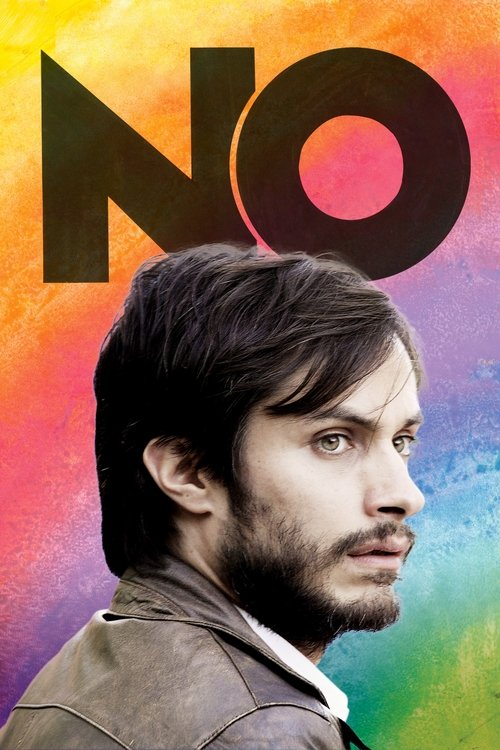
In 1988, Chilean military dictator Augusto Pinochet, due to international pressure, is forced to call a plebiscite on his presidency. The country will vote ‘Yes’ or ‘No’ to Pinochet extending his rule for another eight years. Opposition leaders for the ‘No’ vote persuade a brash young advertising executive, René Saavedra, to spearhead their campaign. Against all odds, with scant resources and while under scrutiny by the despot’s minions, Saavedra and his team devise an audacious plan to win the election and set Chile free.