
User Score
0 votes
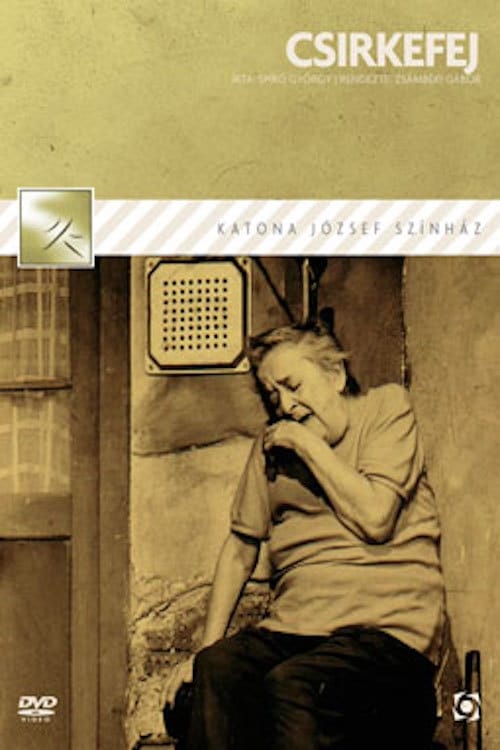
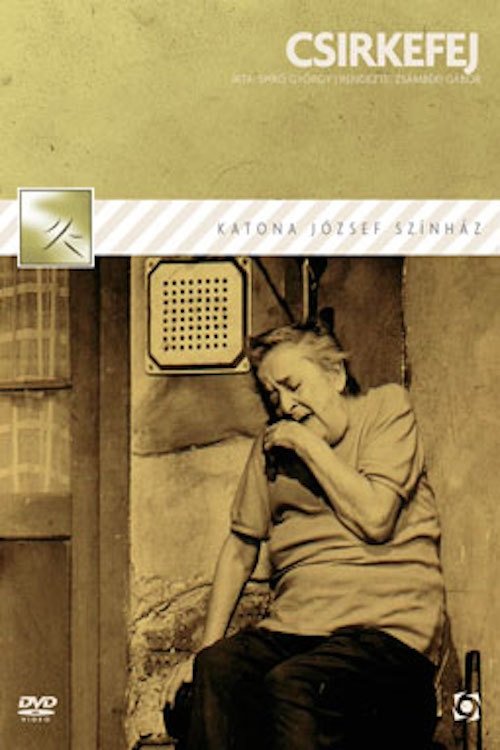
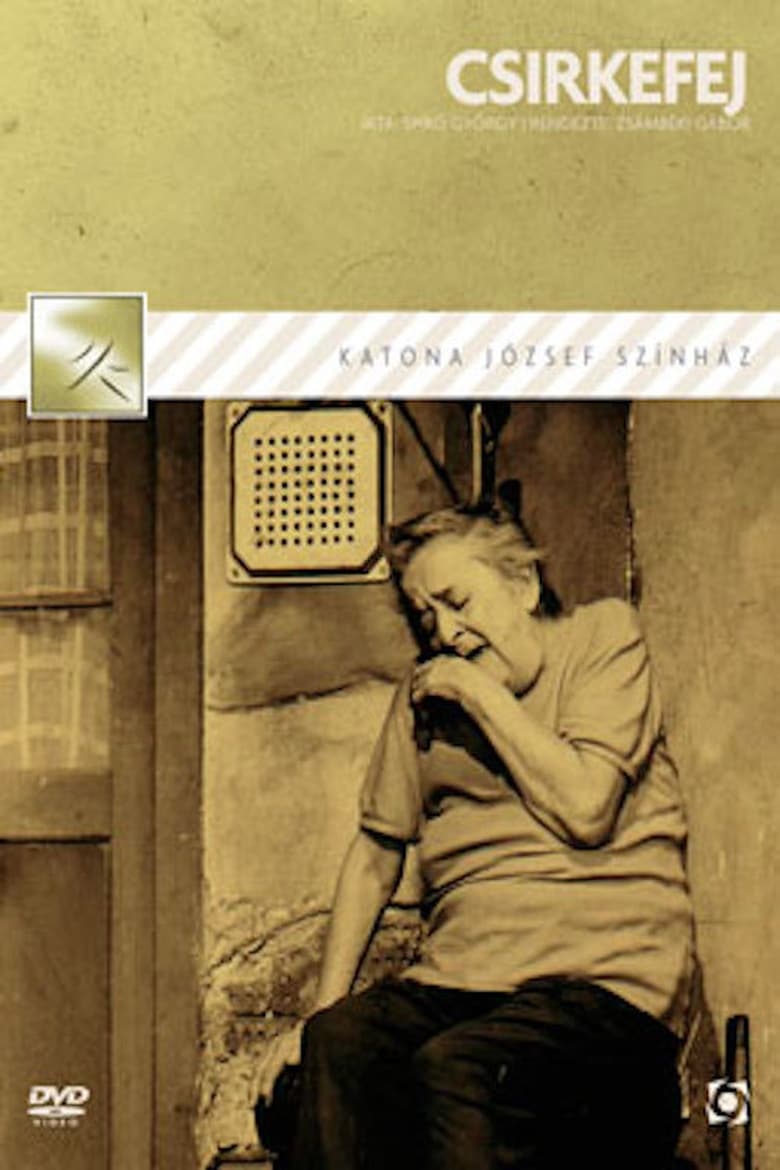
It is a tragedy, set among low-lifes on the outskirts of Budapest. Dramatic Exchange describes it as "Widely considered to be the most important Hungarian play of the last 20 years". The odd title of the play refers in the first instance to the chicken heads that an old woman feeds to her cat. However, it can also be taken to refer more broadly to the obtuse behaviour of the main characters in the play. The play is an odd mixture of pathos and nihilism, written against the bleak background of Stalinist totalitarianism from which Hungary was emerging. As with much modern drama, there is no hero in the play. The only noble behaviour that one can find belongs to one of the characters in the past, when he was a child, but he is no longer as he was. The hint that what once existed might be achieved again is the only faint ray of hope in a very bleak view of the human condition.
Director
Writer
Status
Released
Original Language
HU
Srác
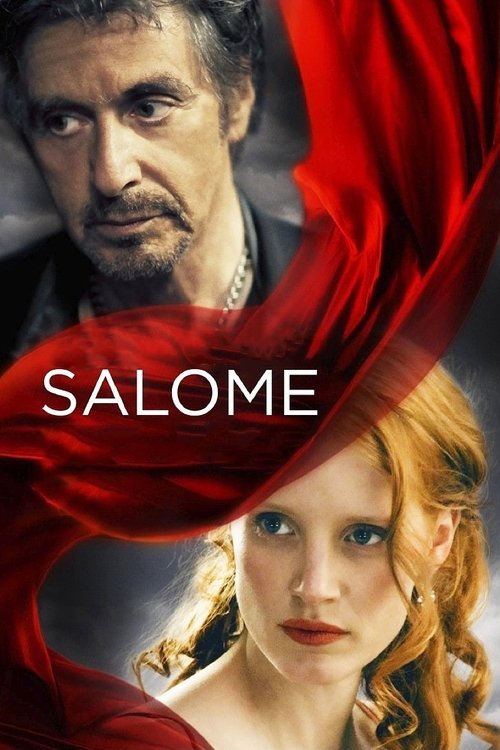
After the lewd and frenetic Dance of the Seven Veils, and with the solemn pledge from the very lips of Herod himself that she could have whatever her heart desires up to half his kingdom, wanton and proud young Salomé comes before her king with an unreasonable demand. Beguiled by John the Baptist, and then scorned for the sake of his god, lascivious Salomé—encouraged by her mother, the vindictive, Herodias—commands that John be executed and his head delivered on a silver platter.