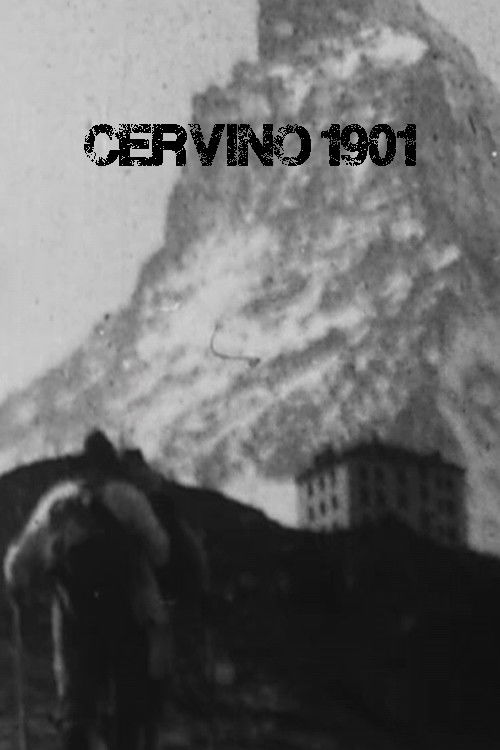

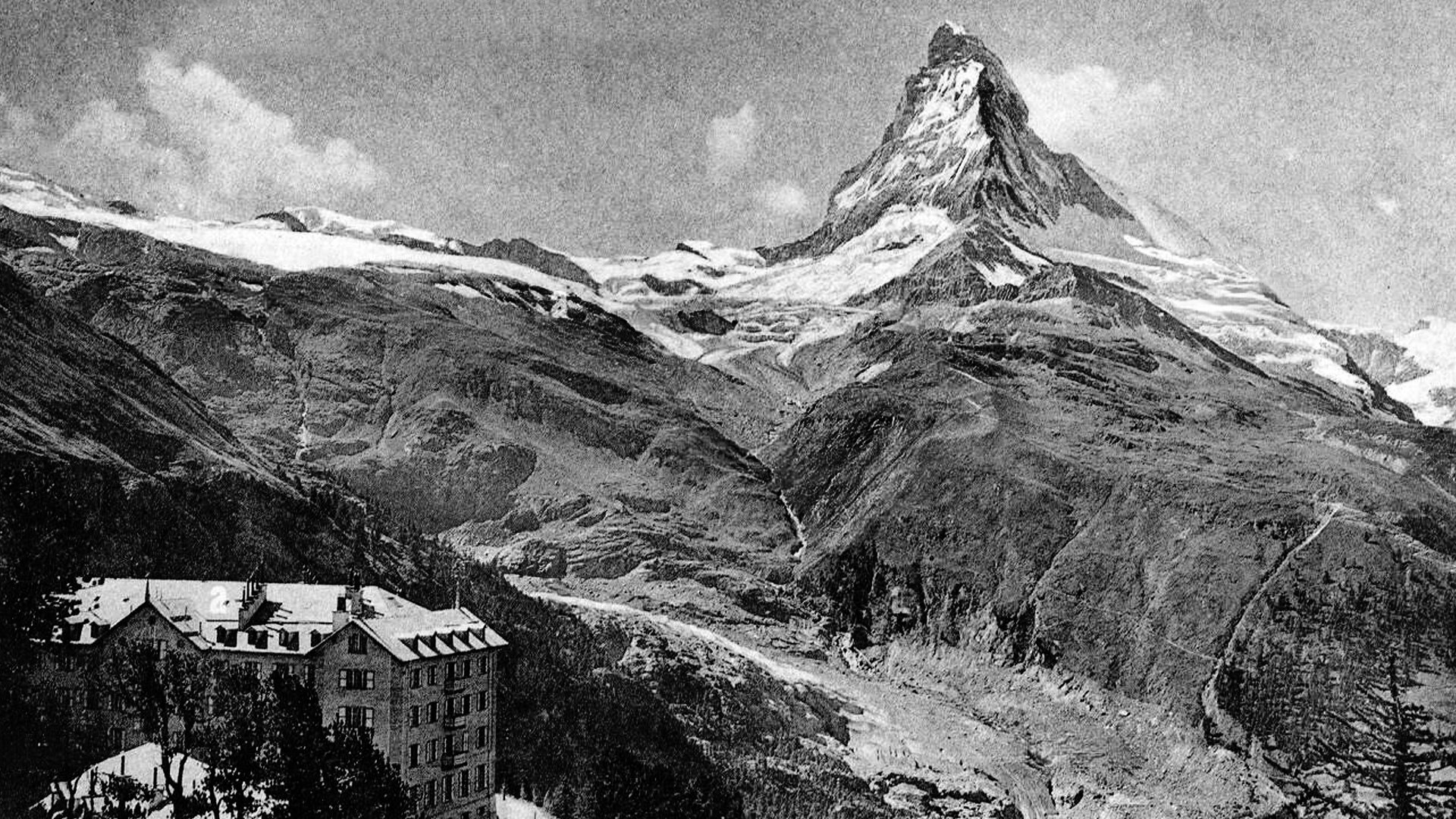
On september 28th, 1903, the Urban Mountaineering Expedition, headed by Frank Ormiston-Smith, left Zermatt to attempt the conquest of the Matterhorn. On the 29th, the conquest was completed by the filming of the panorama from the actual summit of the mountain. The film consists of 20 scenes and illustrates the whole ascent from Zermatt through the Hornli Ridge. A copy of the film was found in Zermatt in 1953 and was was erroneously attributed to Frederick Burlingham and dated 1901. Since then, the film has been widely publicized as the first mountain film under the title of 'Cervino 1901', but this is incorrect.
Director
Status
Released
Original Language
XX
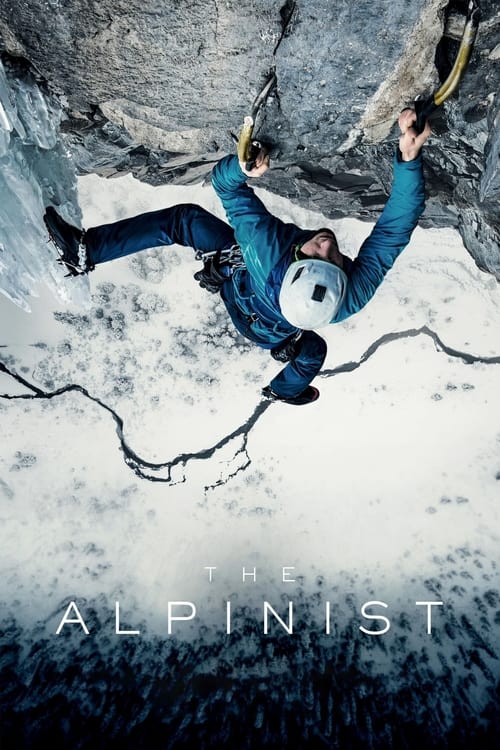
Marc-André Leclerc, an exceptional climber, has made solo his religion and ice his homeland. When filmmaker Peter Mortimer begins his film, he places his camera at the base of a British Columbia cliff and waits patiently for the star climber to come down to answer his questions. Marc André, a little uncomfortable, prefers to return to the depths of the forest where he lives in a tent with his girlfriend Brette Harrington. In the heart of winter, Peter films vertiginous solos on fragile ice. He tries to make appointments with the climber who is never there and does not seem really concerned by this camera pointed at him "For me, it would not be a solo if there was someone else" . Marc-André is thus, the "pure light" of the mountaineers of his time, which marvel Barry Blanchard, Alex Honnold or Reinhold Messner, interviewed in the film. An event film for an extraordinary character.
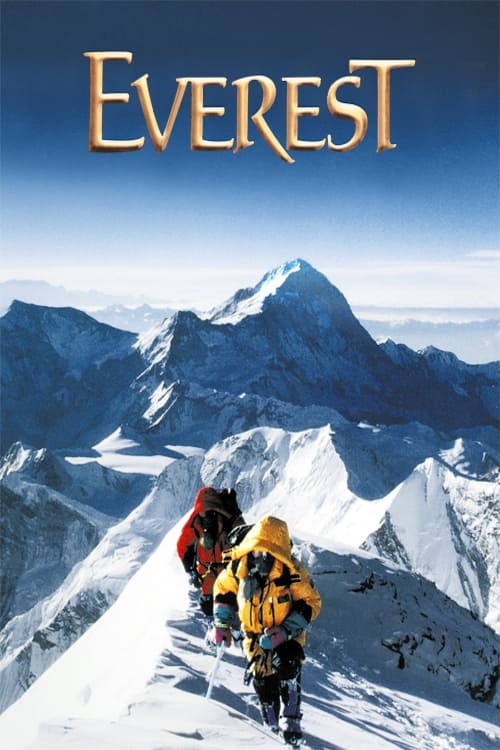
An international team of climbers ascends Mt. Everest in the spring of 1996. The film depicts their lengthy preparations for the climb, their trek to the summit, and their successful return to Base Camp. It also shows many of the challenges the group faced, including avalanches, lack of oxygen, treacherous ice walls, and a deadly blizzard.