


User Score
5 votes
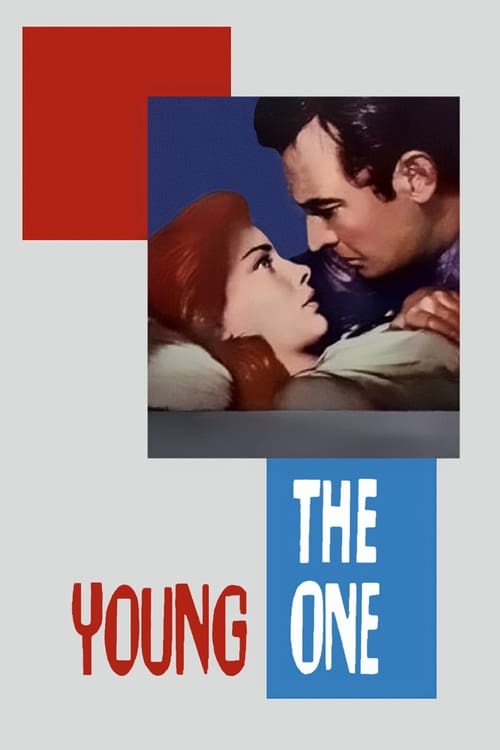
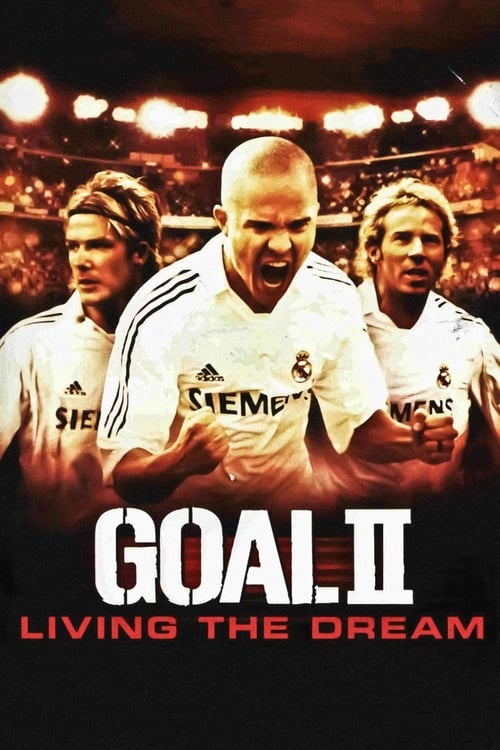
Henrik is seventeen years old and dreams of becoming a professional soccer player. He lives with his parents and two siblings, Johanna and Oliver, in a suburb of Malmö. They live a happy life filled with warmth and love, but their existence is about to undergo a drastic change. Henrik's mother has been diagnosed with cancer, and one day the unthinkable and inevitable happens. Their whole world is turned upside down and the family's relationships are put to the test. Although Henrik's father tries to keep the family together, his grief over the loss of his wife becomes overwhelming and his betrayal of his children is severe.
Director
Screenplay
Status
Released
Original Language
SV
The Russian version of the movie "Fight Club" is not just a Russian version of a well-known cult film, it is the result and of the hard work of two young men and their love for cinema, Alexander Kukhar (GOLOBON-TV) and Dmitry Ivanov (GRIZLIK FILM) , who are responsible for this project, from the development of its idea and the selection of the cast, to the organization of filming and financial support. Filming lasted a whole year. Everyday work, constant trips, searching for suitable film sets and an exhausting schedule - all this was not in vain and resulted in an unusually amazing and original project - the film "Fight Club", created in the very heart of southern Russia, in the city of Krasnodar, by two young people

Henrik's Mother
People is a film shot behind closed doors in a workshop/house on the outskirts of Paris and features a dozen characters. It is based on an interweaving of scenes of moaning and sex. The house is the characters' common space, but the question of ownership is distended, they don't all inhabit it in the same way. As the sequences progress, we don't find the same characters but the same interdependent relationships. Through the alternation between lament and sexuality, physical and verbal communication are put on the same level. The film then deconstructs, through its repetitive structure, our relational myths.