
User Score
0 votes
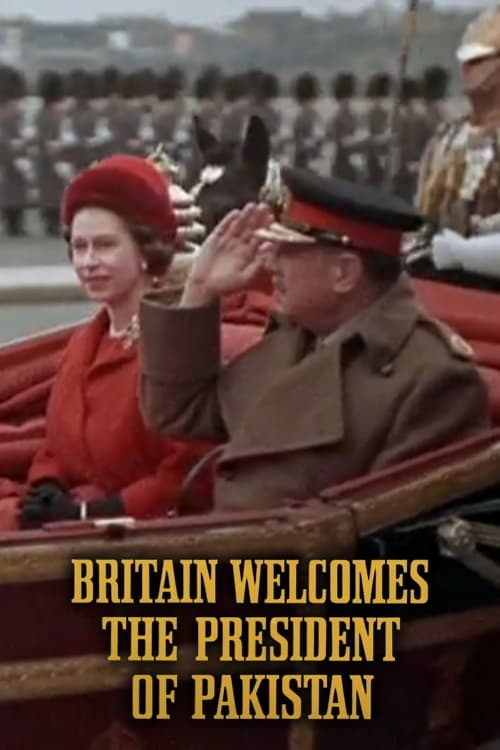
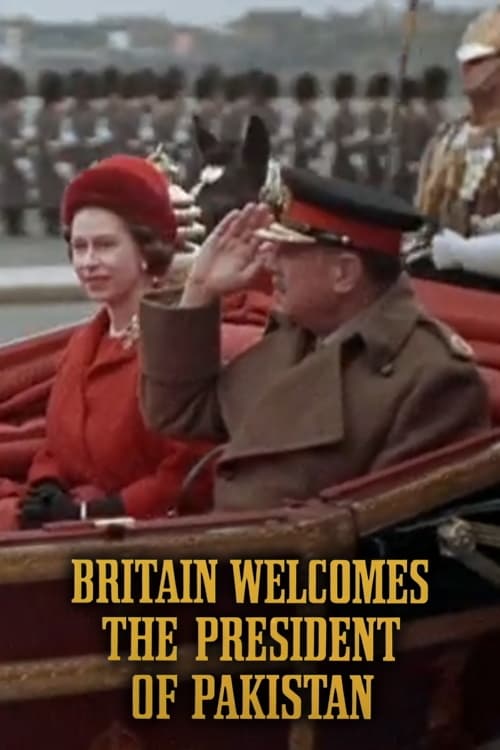
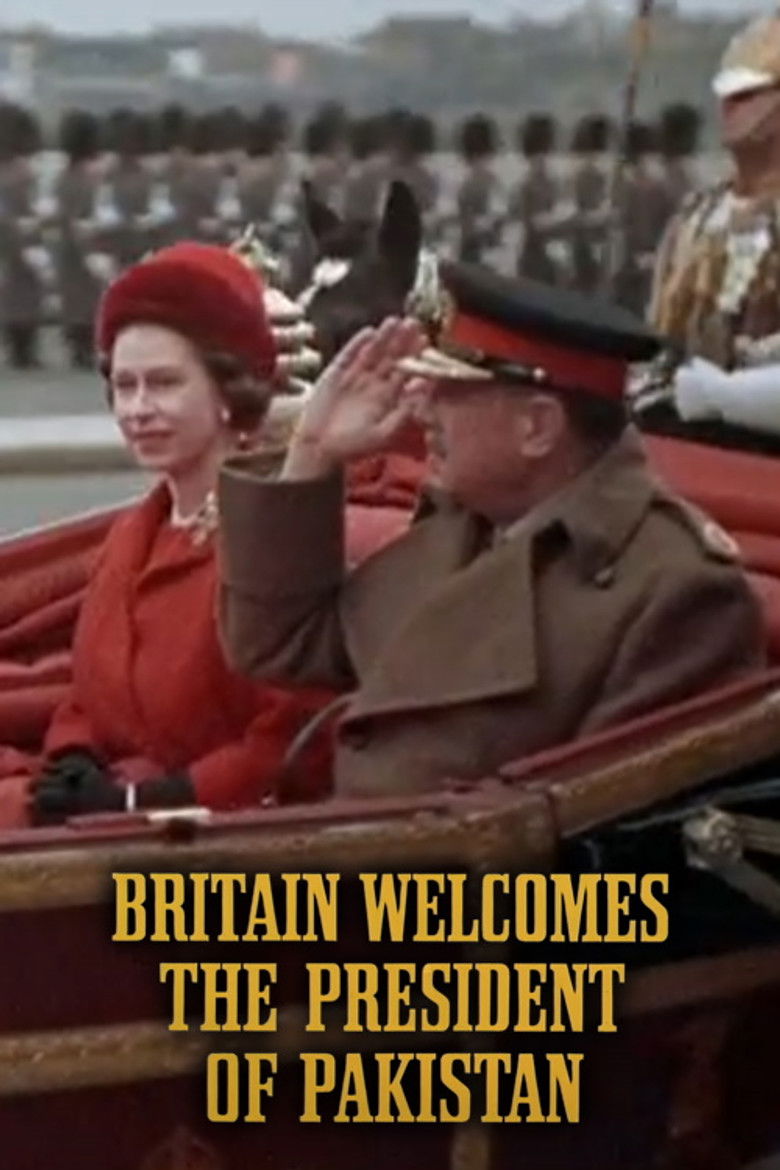
The President had been due to visit twice before, but on both occasions the trip had to be cancelled. The first time was in 1963, the same year as the Commonwealth visit by the President of India. The second cancellation occurred in 1965 when a longstanding dispute between India and Pakistan over the sovereignty of Kashmir boiled over into full-scale war in September of that year. However, as one might expect from a film made for international diplomacy purposes no reference is made to ongoing political problems either at home or abroad. Like the Indian presidential visit of 1963, the film was for screening to domestic audiences (both in the UK and in Pakistan) whose main interest would be in the pomp and ceremony of the visit, and the reception and status afforded to the President by the Queen and royal family.
Director
Status
Released
Original Language
EN
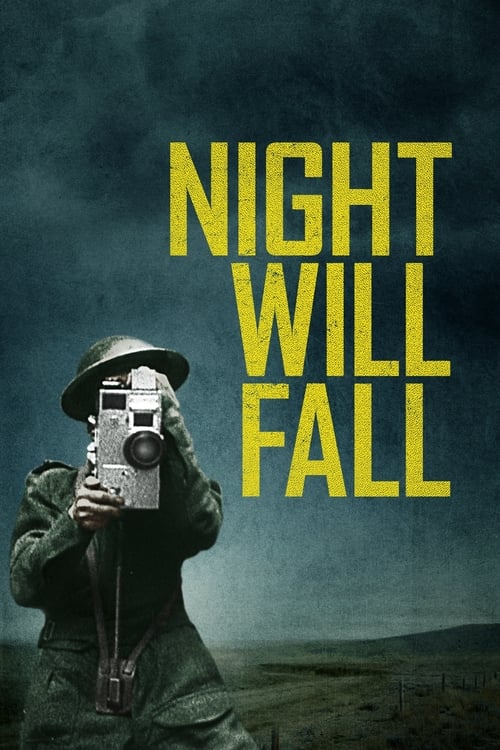
When Allied forces liberated the Nazi concentration camps in 1944-45, their terrible discoveries were recorded by army and newsreel cameramen, revealing for the first time the full horror of what had happened. Making use of British, Soviet and American footage, the Ministry of Information’s Sidney Bernstein (later founder of Granada Television) aimed to create a documentary that would provide lasting, undeniable evidence of the Nazis’ unspeakable crimes. He commissioned a wealth of British talent, including editor Stewart McAllister, writer and future cabinet minister Richard Crossman – and, as treatment advisor, his friend Alfred Hitchcock. Yet, despite initial support from the British and US Governments, the film was shelved, and only now, 70 years on, has it been restored and completed by Imperial War Museums under its original title "German Concentration Camps Factual Survey".