

User Score
15 votes
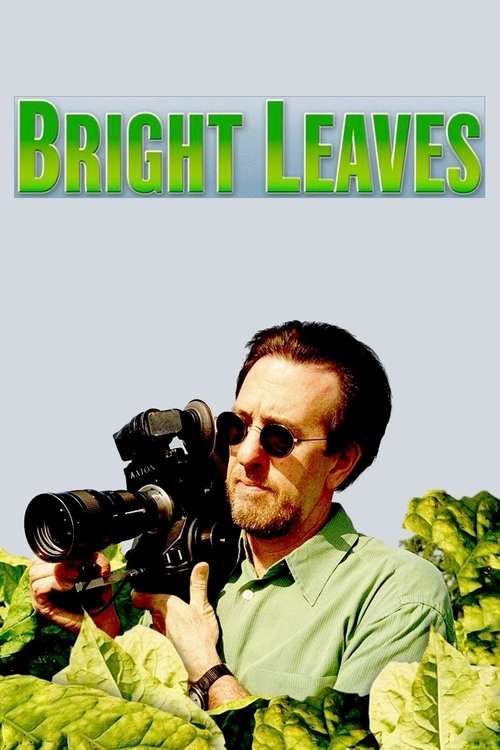
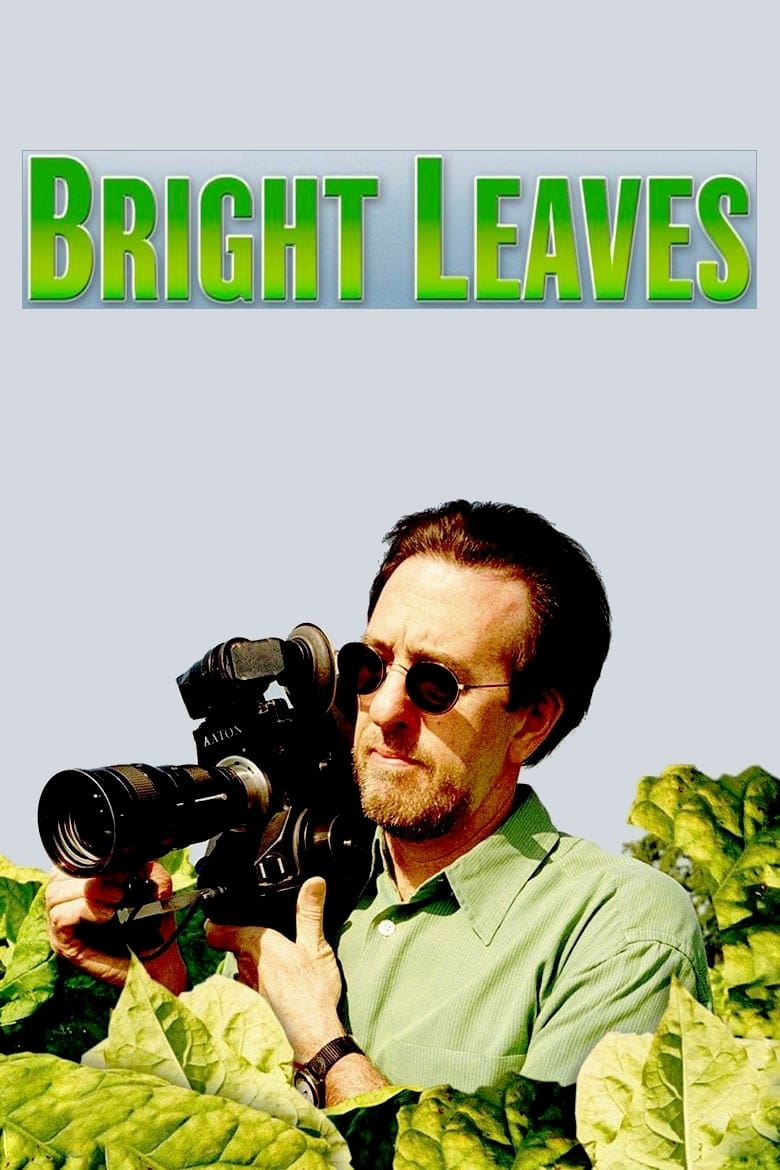
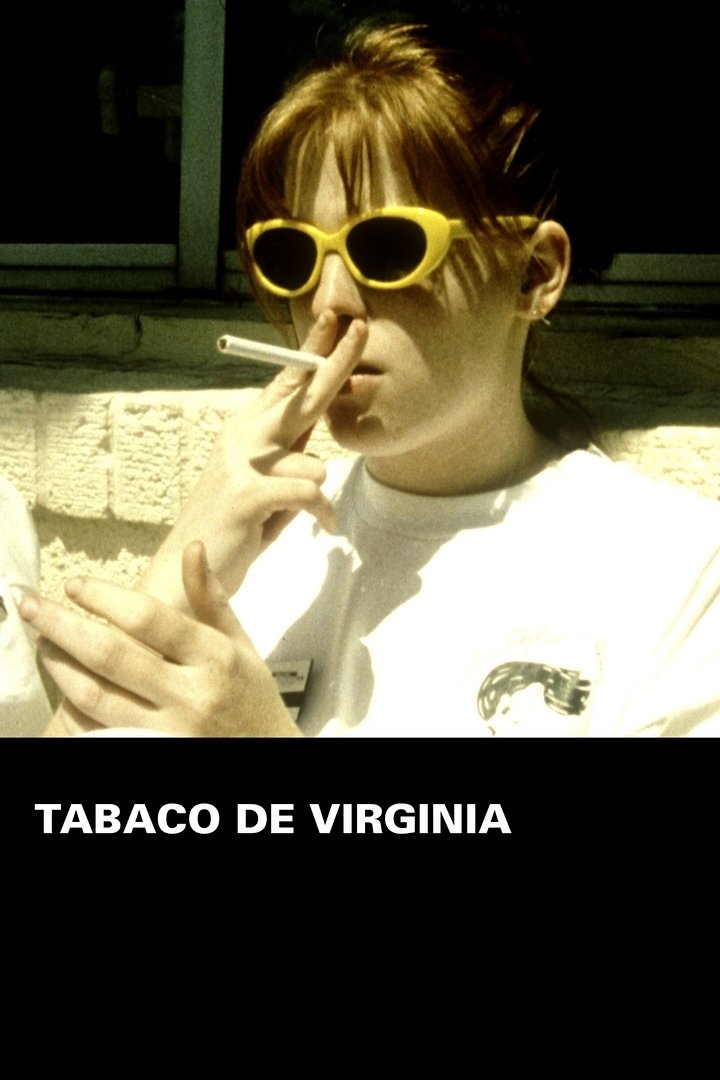
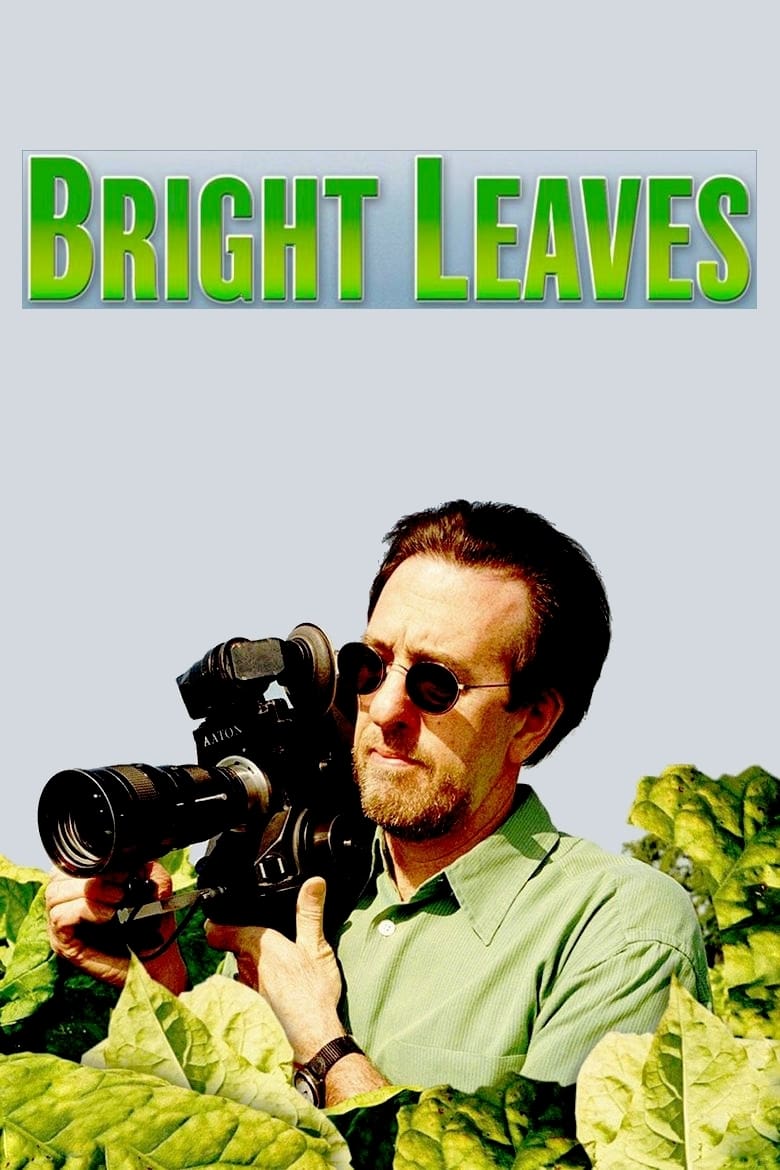
Ross McElwee travels through the North Carolina tobacco belt in search of the ancient southern traditions associated with tobacco growing and use, while comparing his filmmaking to commercial cinema, represented by Bright Leaf, a melodrama directed by Michael Curtiz in 1950, starring Gary Cooper, apparently based on the life of his great-grandfather.
Director
Status
Released
Original Language
EN

Beginning just after the bloody Sioux victory over General Custer at Little Big Horn, the story is told through two unique perspectives: Charles Eastman, a young, white-educated Sioux doctor held up as living proof of the alleged success of assimilation, and Sitting Bull the proud Lakota chief whose tribe won the American Indians’ last major victory at Little Big Horn.

Four landscape shots containing a replica of Ted Kaczynski’s cabin, one shot per season. On the soundtrack, Benning reads extracts from Kaczynski’s journals from the early 1970s, recording his progress at hunting and gathering, and his connection to the Montana wilderness; a hand-written folded sheet of paper detailing his acts of “monkey wrenching” and first attempts at planting bombs; two notebooks written in numerical code in 1985 and decoded by Benning in 2011; two excepts from Industrial Society and Its Future by "FC" (aka the Unabomber Manifesto) as published in The New York Times and The Washington Post in 1995; and a 2001 interview with Kaczynski by J. Alienus Rychalski, special correspondent for the Blackfoot Valley Dispatch.