

User Score
5 votes
Cimrman sees the reason for the popularity of the Blanik legend in Bohemia mainly in the geographical location of our homeland. In agreement with Palacký, he was aware that "we are here in Europe like a grain between two millstones. From the west, German imperialism presses upon us, and from the east, the expansionism of the Great Russian colossus crushes us. It is no wonder that a small nation under such pressure seeks supernatural and even miraculous protection, for only a miracle can enable it to survive here."
Status
Released
Original Language
CS

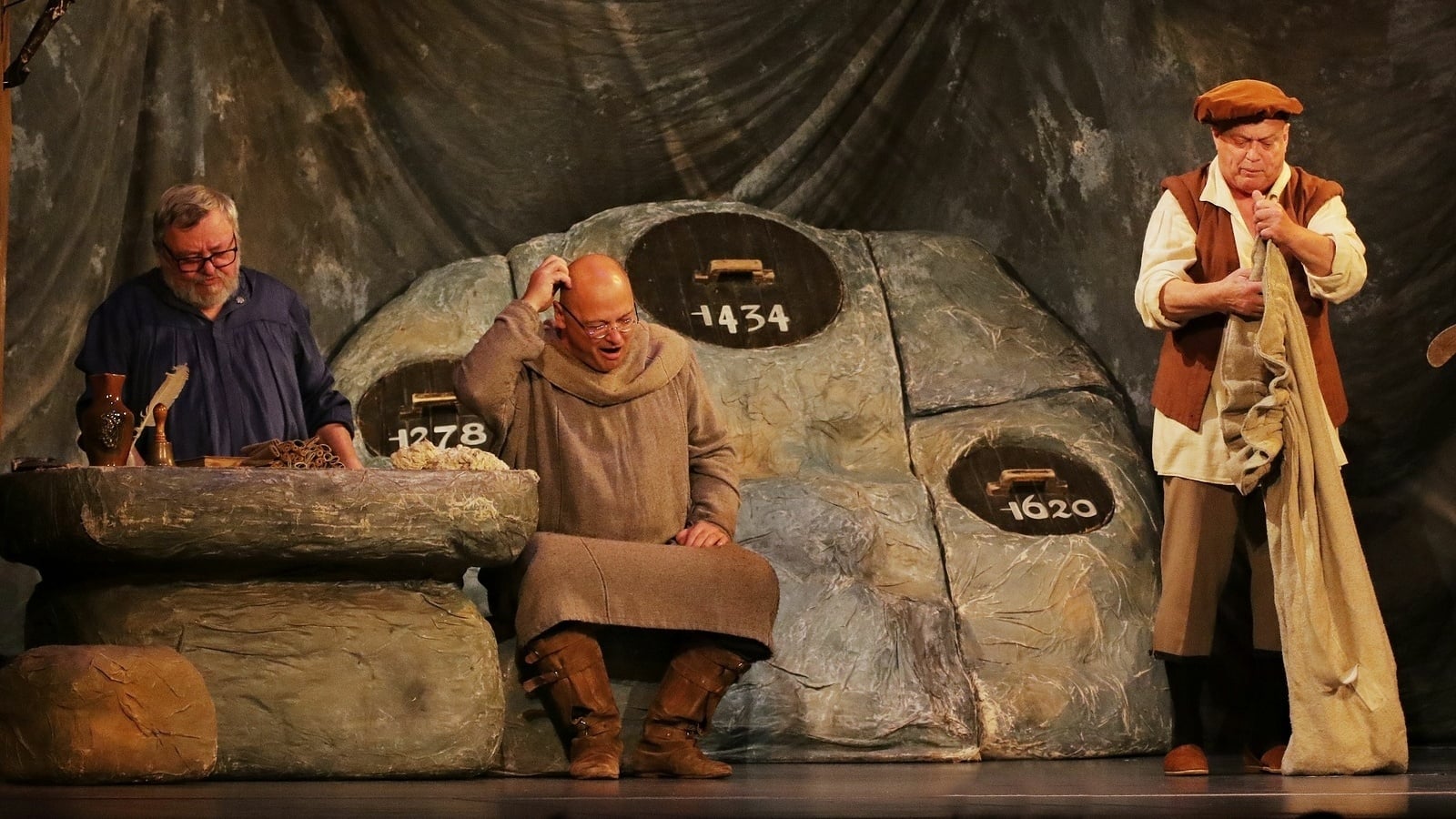
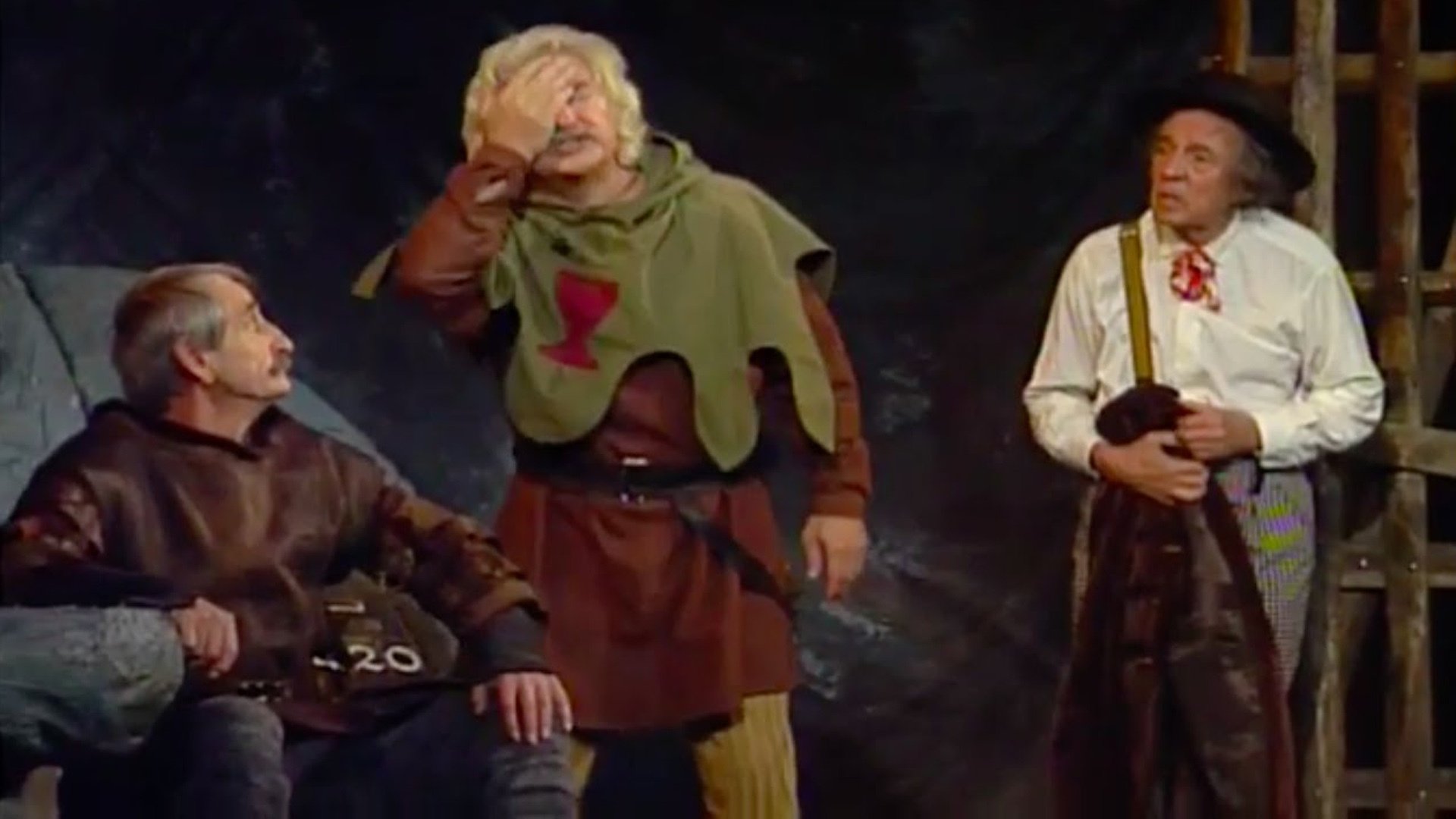
Poverty was one of the many unfortunate aspects of Cimrman's life. His traveling theater company, Lipany, suffered from high actor turnover. If an actor's departure was agreed upon well in advance, the situation could be managed. However, if it happened with shouting and slamming doors, often just a few hours before the performance, the troupe and its director experienced some tense moments. Such experiences form the backdrop to the play. Lovers of the work of this unrecognized Czech artist are now able to access testimony from this area of the master's life, in which his destiny was most fulfilled—the theater.
Šlupka
Eyüp decides to cross mount Ararat looking for his aunt in Yerevan after following a madman's words. His aunt has also been expecting someone to come from behind this mount for many years. Eyüp cannot be sure about the woman he finds behind the blue door, whether it is his aunt or not because they can't understand each other.