User Score
3 votes
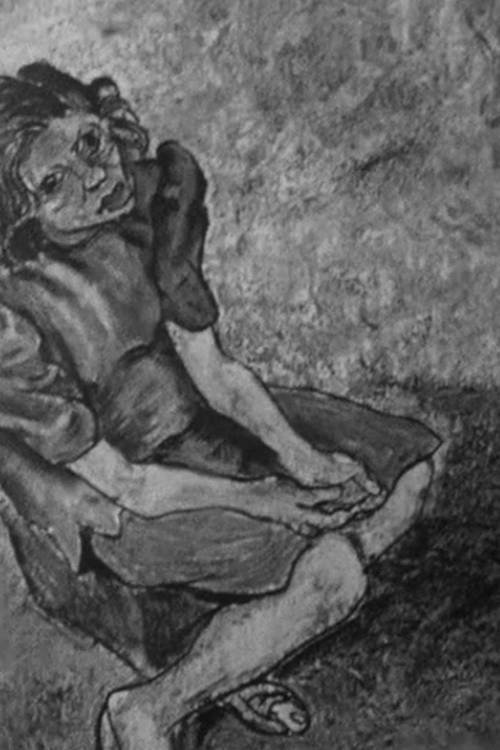
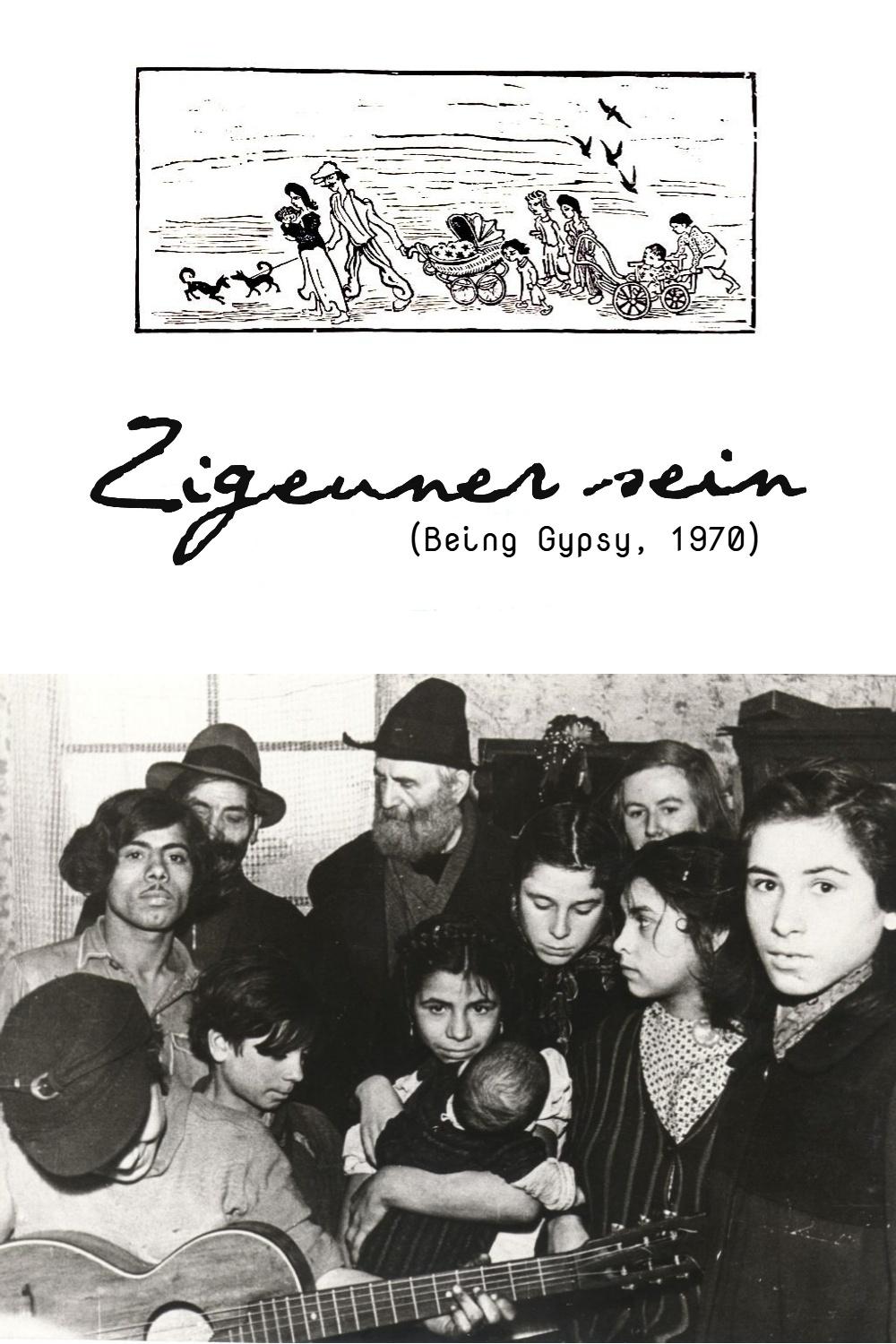
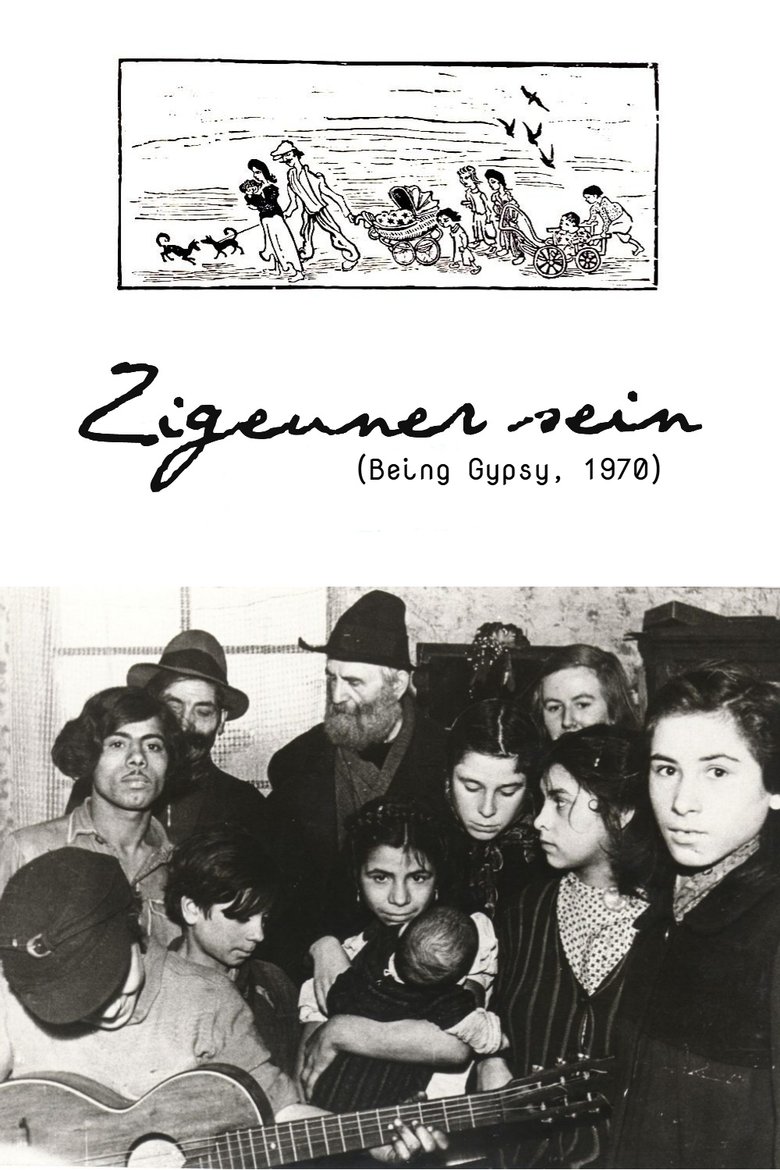
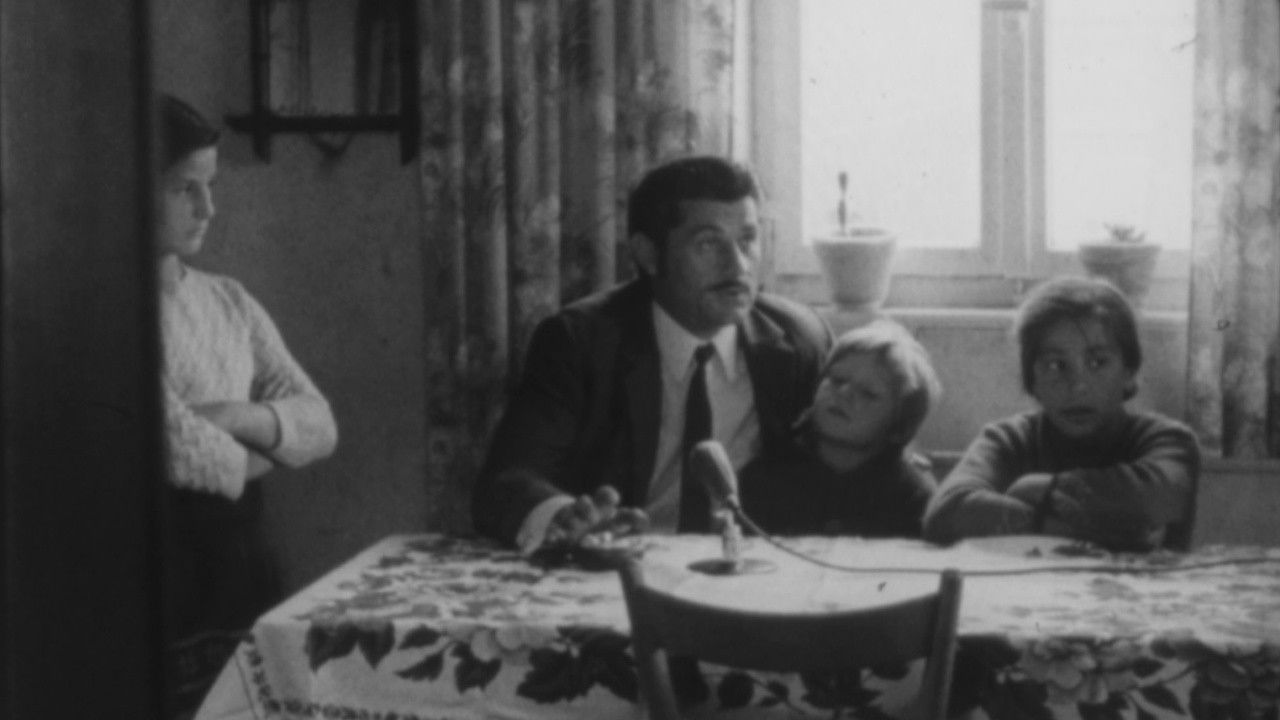
Roma and Sinti people talk about their experiences in the Third Reich and the Federal Republic of Germany, inspired by Otto Pankok’s paintings of Romani theme and subject in the 1930s, declared degenerate art by the Nazis. These are moving narratives of persecution, discrimination, marginalisation, of life as second-class human beings, all of which lasts, incredibly enough, right up to the allegedly democratic present day of the film, since they live in inhumane conditions in barracks at the margins of cities and society and are not officially recognised as Nazi victims. Long, nearly uncut sequences open space for the people and their stories. That’s all it takes for one of Peter and Zsóka Nestler’s most important works.
Status
Released
Original Language
SV
LAPD K-9 officer Jake Rosser has just witnessed the shocking murder of his dedicated partner by a mysterious assailant. As he investigates the shooter’s identity, he uncovers a vast conspiracy that has a choke-hold on the city in this thrilling journey through the tangled streets of Los Angeles and the corrupt bureaucracy of the LAPD.