User Score
1 votes
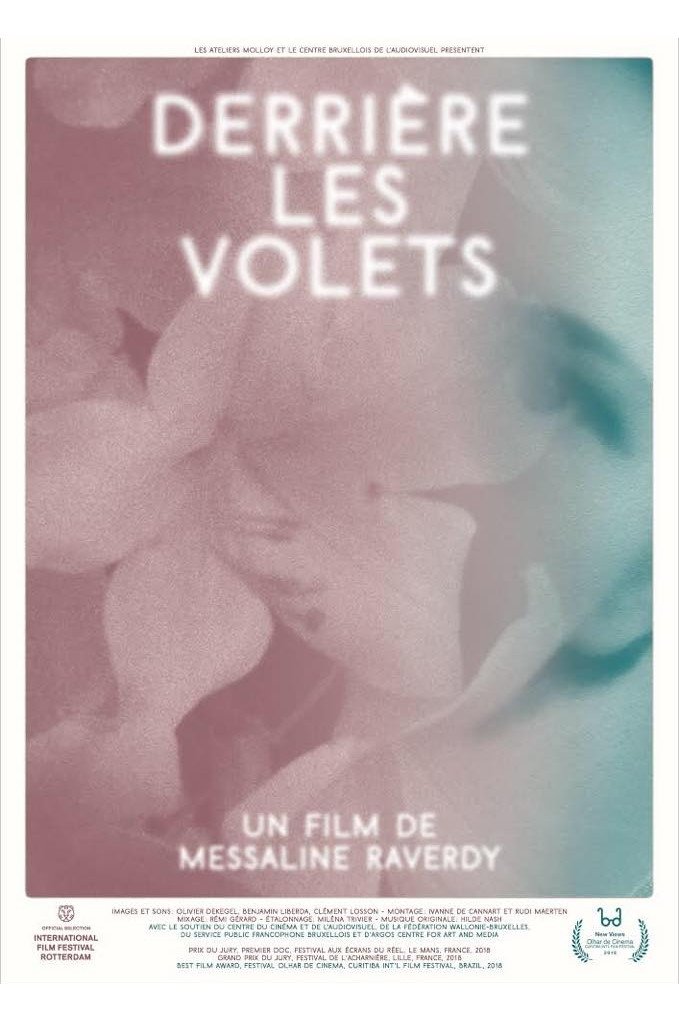
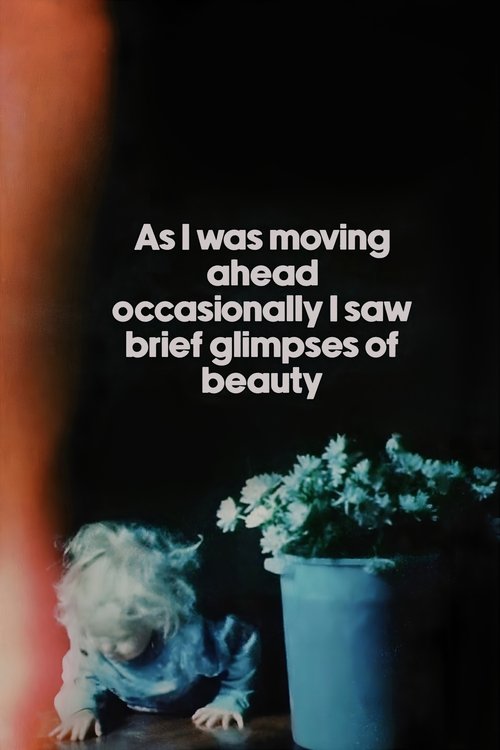
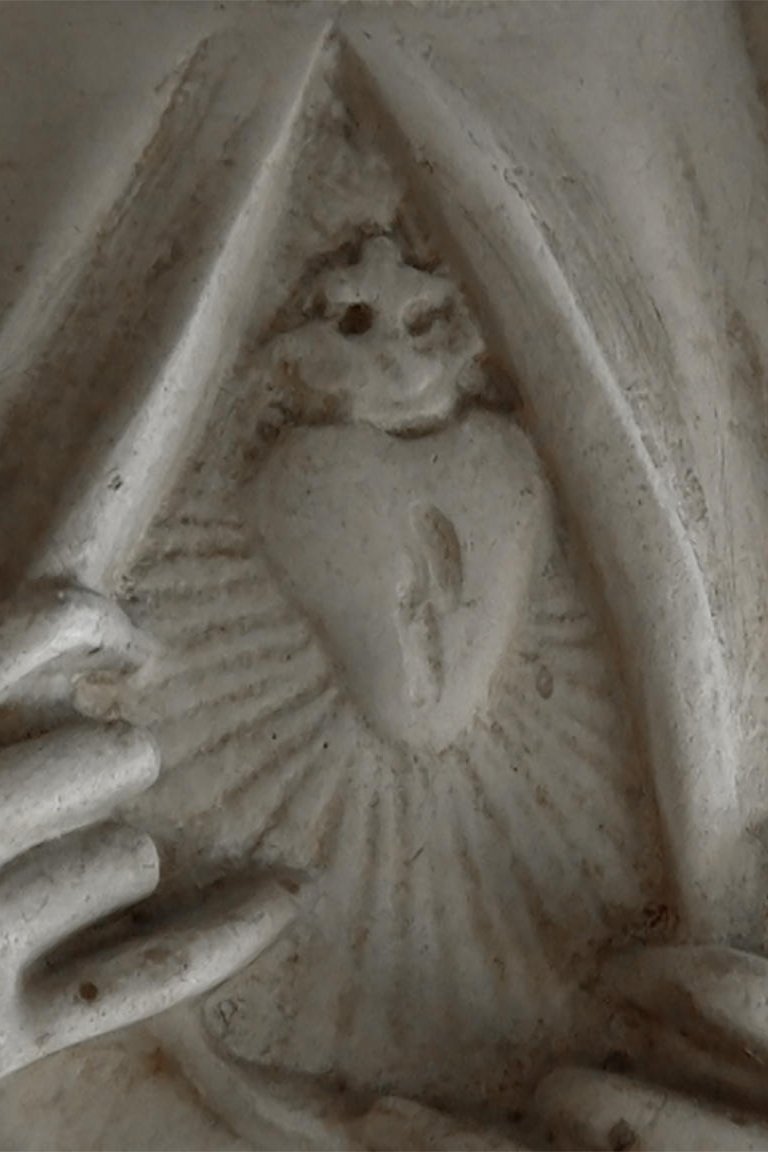
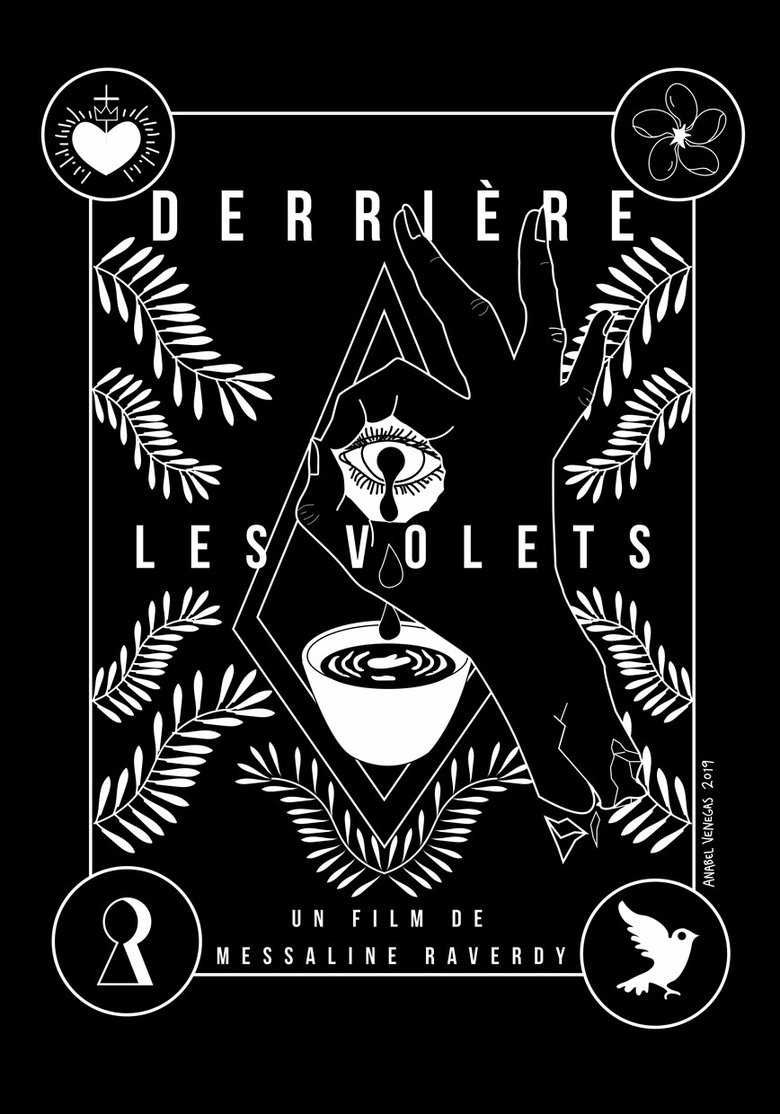
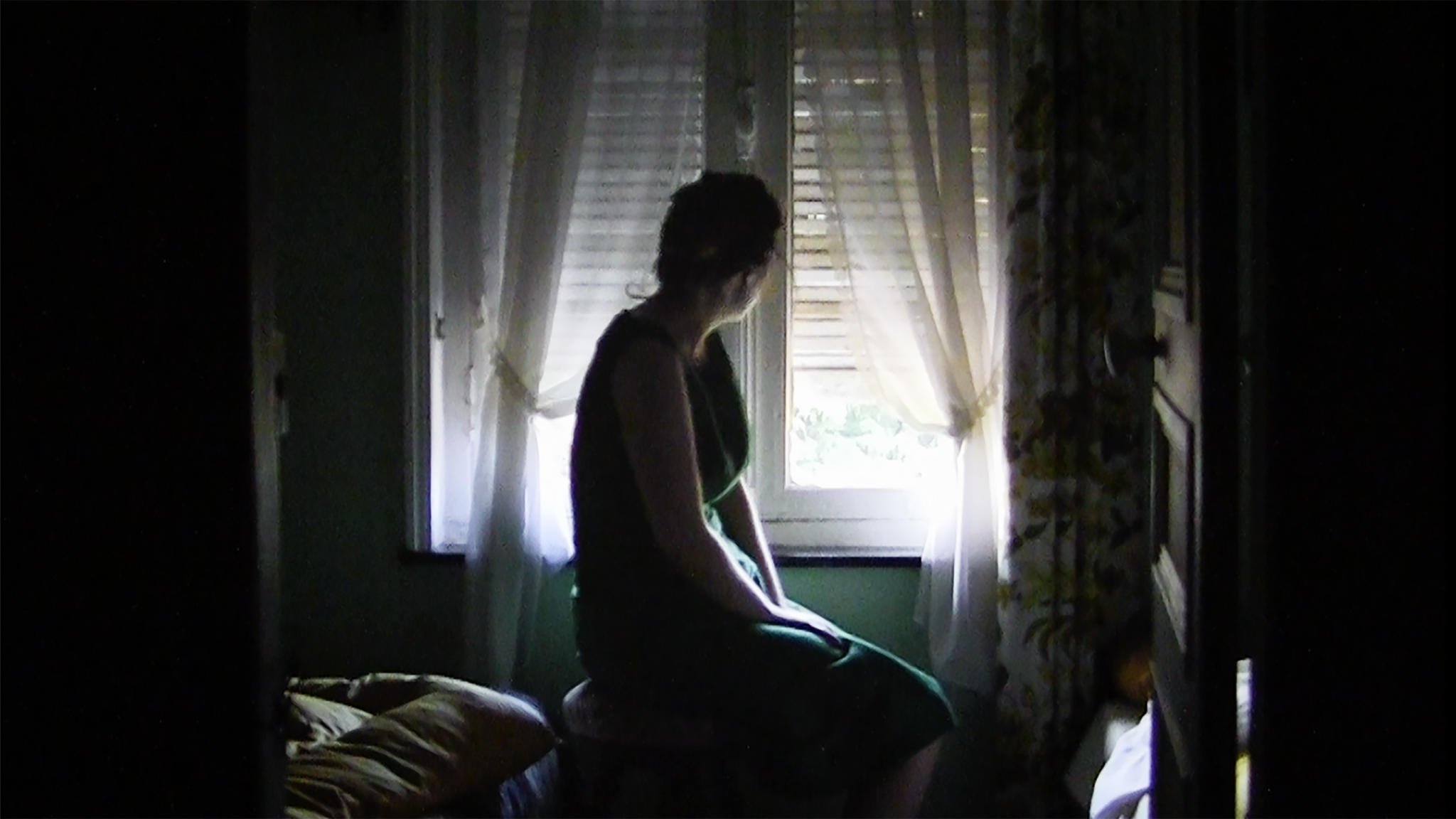
The doors of the abandoned Raverdy coffee and chicory factory remain closed, just like everything around it. The director – herself a descendant of the Raverdy family (and expecting her first child) – goes in search of the stories behind this sealed-off part of the city. She moves in with her 91-year-old grandmother, who lives over the road. Piece by piece, she is able to reconstruct events leading up to the factory’s closure, using old photos, advertising brochures, myths, language games, conversations with her grandmother and former female factory workers. These memories unfold through different storylines. The factory’s surroundings are explored through a poetic film style, and the history of the nunnery next to the factory is also revealed. This sensitive film is a reflection on the invisible and the forgotten, revolving around women and the changing body.
Director
Writer
Status
Released
Original Language
FR
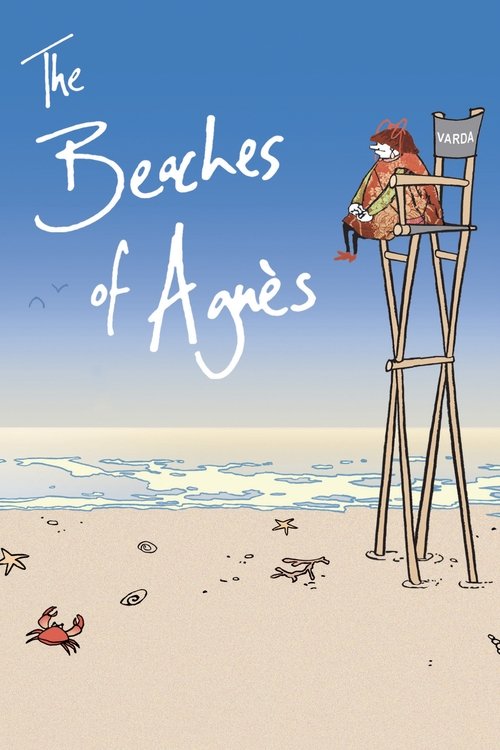
Filmmaking icon Agnès Varda, the award-winning director regarded by many as the grandmother of the French new wave, turns the camera on herself with this unique autobiographical documentary. Composed of film excerpts and elaborate dramatic re-creations, Varda's self-portrait recounts the highs and lows of her professional career, the many friendships that affected her life and her longtime marriage to cinematic giant Jacques Demy.