
User Score
0 votes
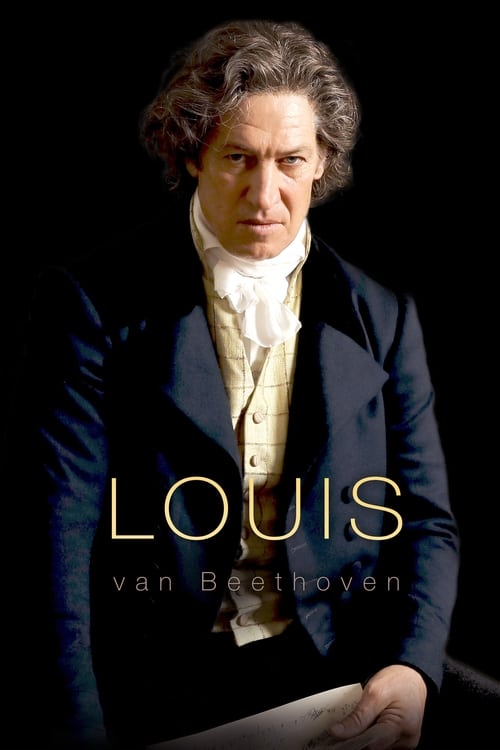
"Ta-ta-ta-taaa" - everyone knows these four notes and they are more than 200 years old. This world-famous motif was invented by Ludwig van Beethoven - the rebel without a wig who ignored the laws of music, the world parade champion (more than 20 times in Vienna), the slob who dried his wet shirts on the piano, and an indomitable man who, despite being deaf, created music that today symbolizes the brotherhood of nations. Instead of working through the artist's biography, the program rummages through Beethoven's moving boxes and brings to light events, peculiarities and musical facts about the jubilarian Ludwig van Beethoven in a humorous and knowledgeable way. Excerpts from Beethoven's symphonies show the picture of a composer between the classical and romantic periods, who mastered folkloristic, dance-like lightness as well as depictions of nature, grand symphonies and themes with catchy tunes.
Status
Released
Original Language
DE
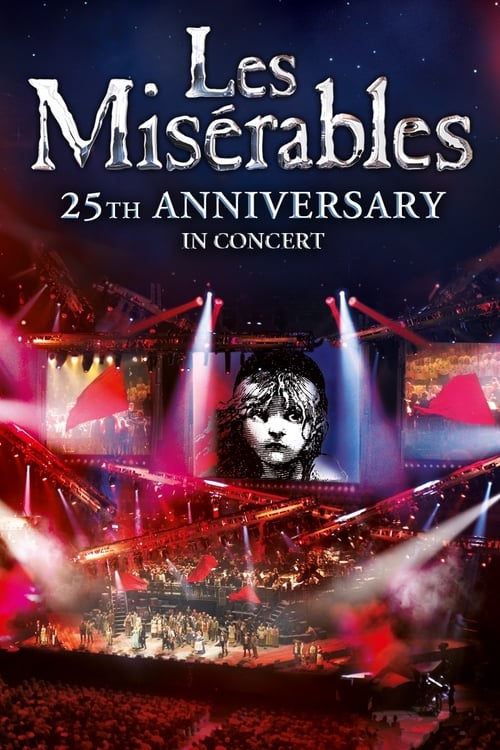
This concert, recorded to celebrate the 25th anniversary of the landmark musical Les Miserables, gathers the casts of the show's 2010 original production at the Queen's Theatre, the 1985 original production by the London company, and the 2010 production at the Barbican together for one performance. Together with talents like Michael Ball, Hadley Fraser, and John Owen-Jones, the performers present the play's musical numbers in a semi-theatrical style, fully costumed and with all the emotion of the musical's heyday.