User Score
1 votes
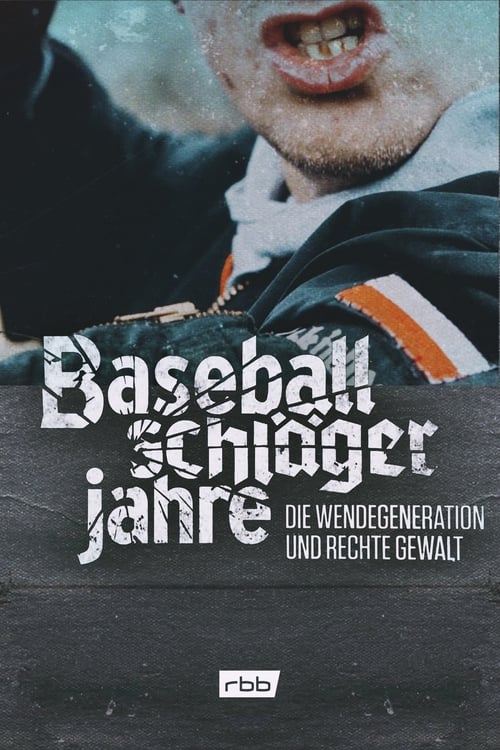
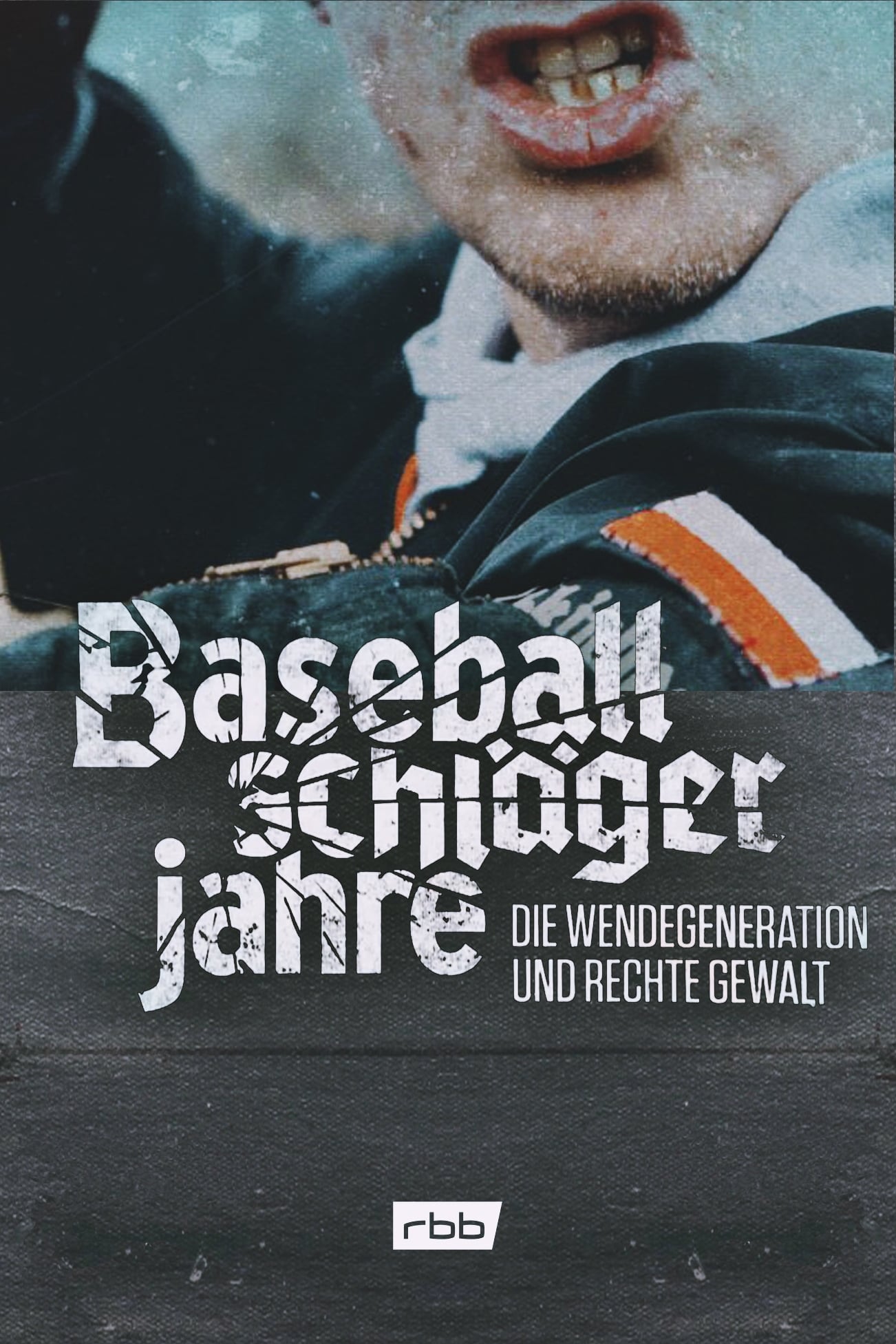
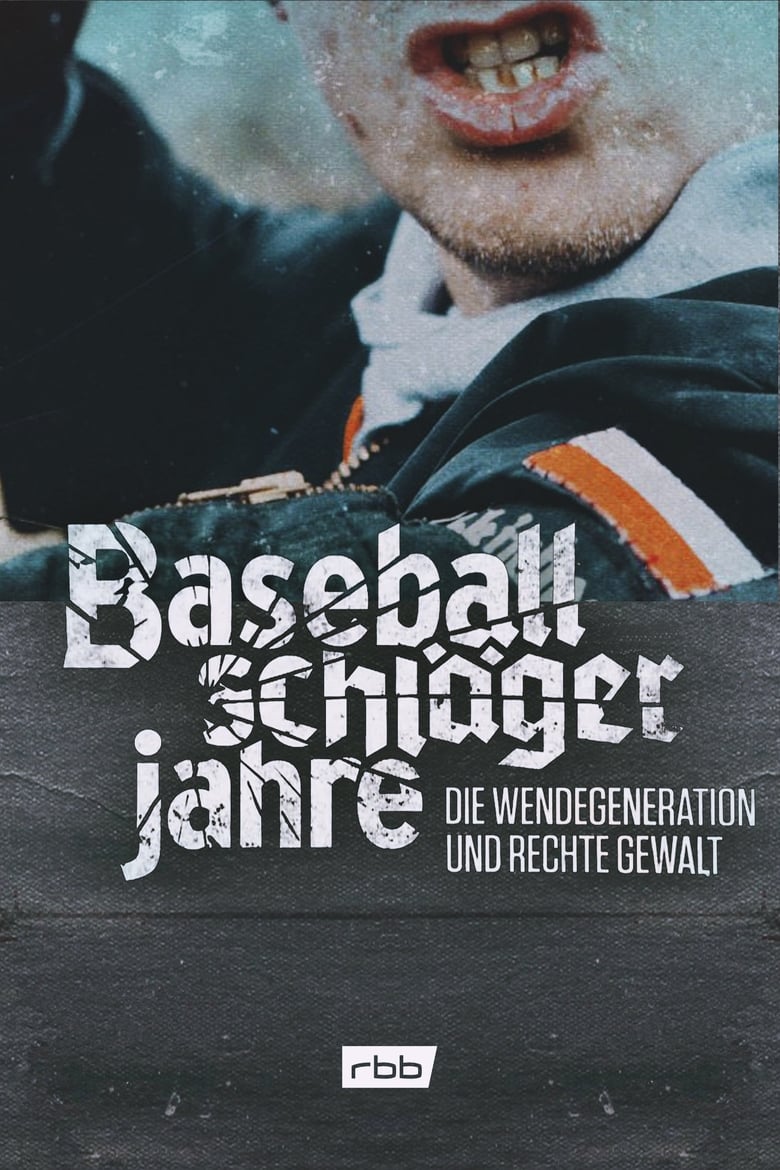
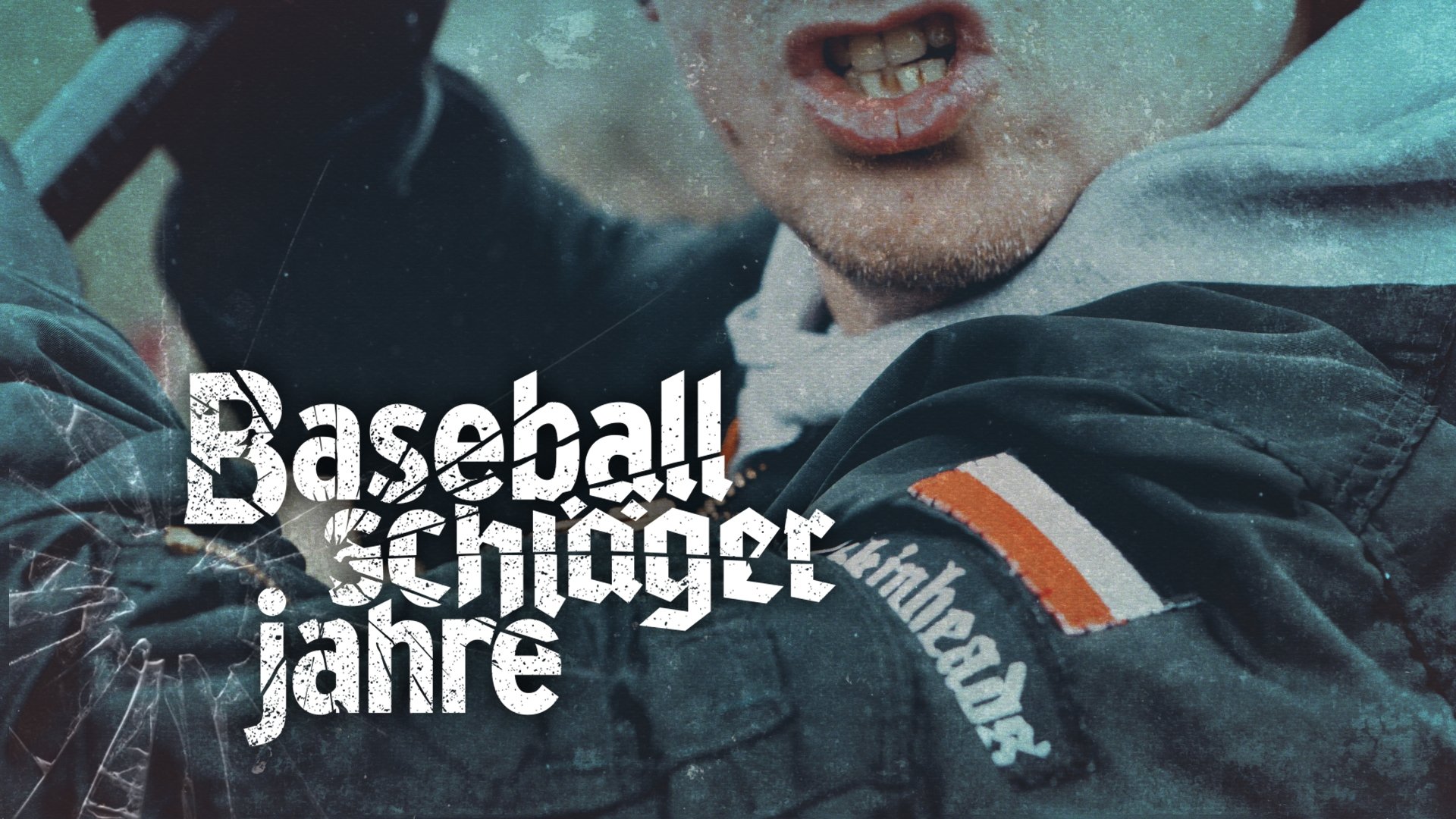
After the end of the GDR, thrashings, threats and hunts were part of everyday life. In the years after the reunification of the early 1990s, hatred, racism and violence against foreigners and supporters of leftist ideology broken out in Eastern Germany. Most of those involved was young people. In many cities and towns, the streets and squares belonged to the right-wing scene, organized in neo-Nazi comradeships. Bomber jackets, combat boots and the Hitler salute showed the intimidated rest where they were. The baseball bat was a popular weapon. There were riots, attacks on asylum seekers' homes, mass brawls and hunt downs to those who look or think differently. It doesn't took long and the first deaths were to be mourned. The majority of the Eastern German population looked the other way or even applauded the deeds. A bad omen for the political development of later years. In six film segments, a team of authors take a look at the time reflected in interviews with contemporary witnesses.
Director
Director
Director
Director
Director
Director
Director
Director
Director
Director
Director
Director
Writer
Writer
Writer
Status
Released
Original Language
DE
Self - Interviewee
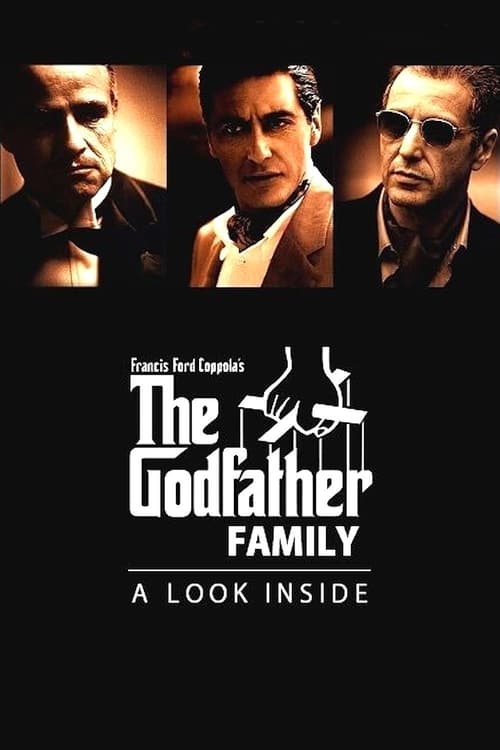
A documentary on the making of the three Godfather films, with interviews and recollections from the film makers and cast. This feature also includes the original screen tests of some of the actors for "The Godfather" film, and some candid moments on the set of "The Godfather: Part III."