
User Score
0 votes
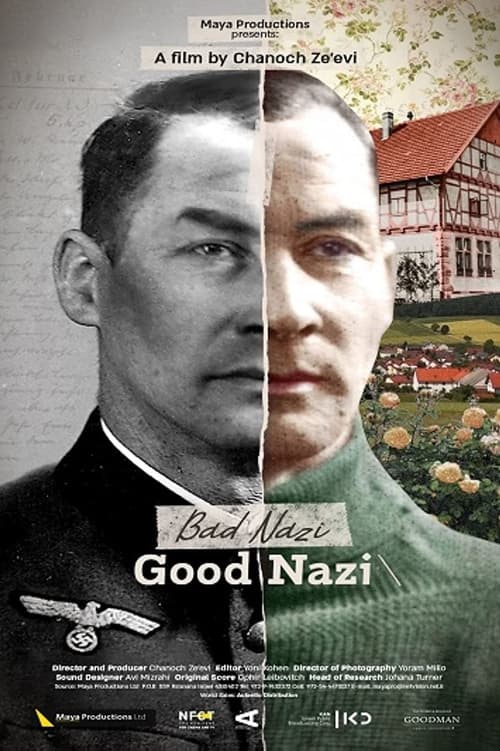
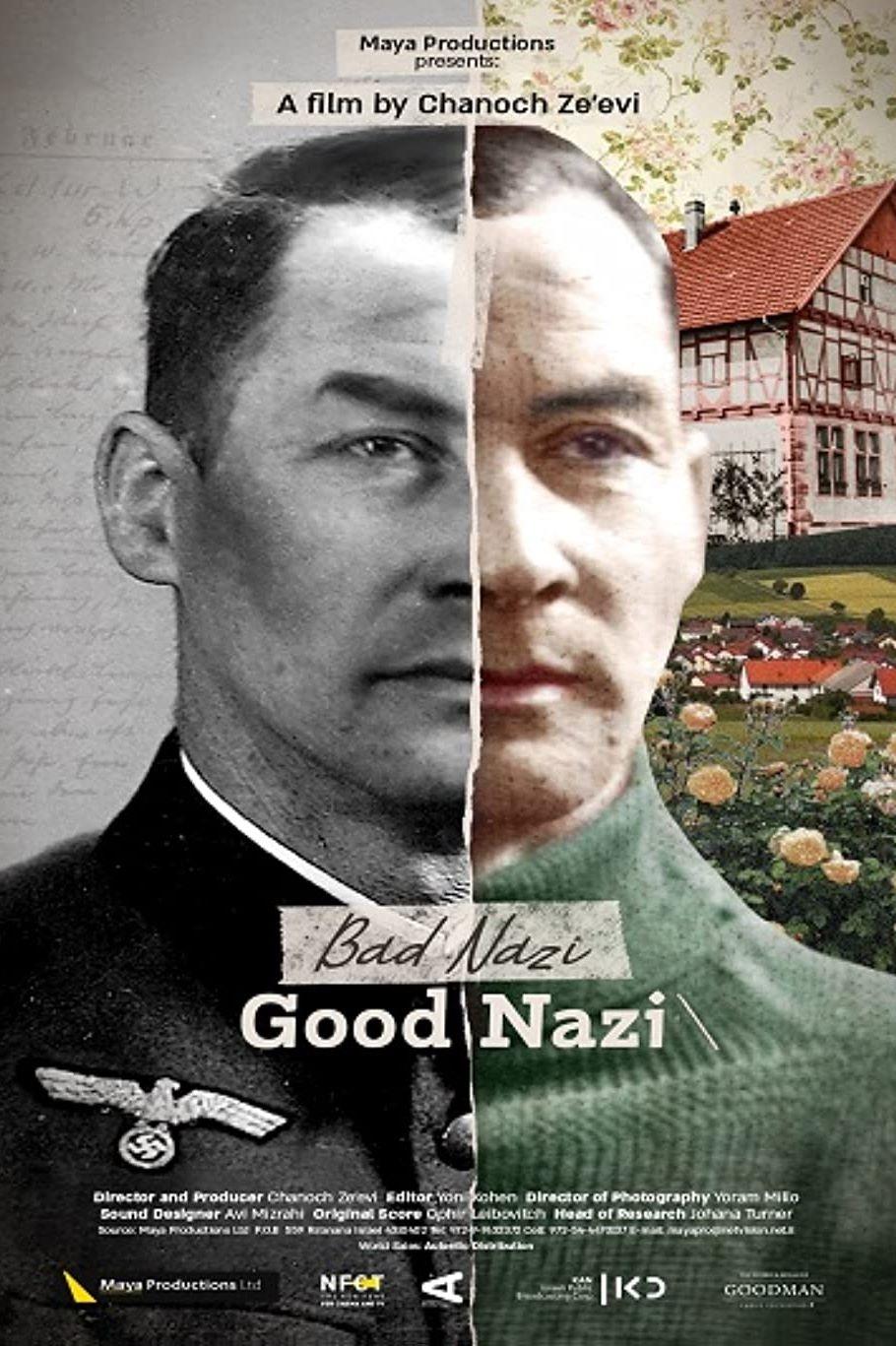
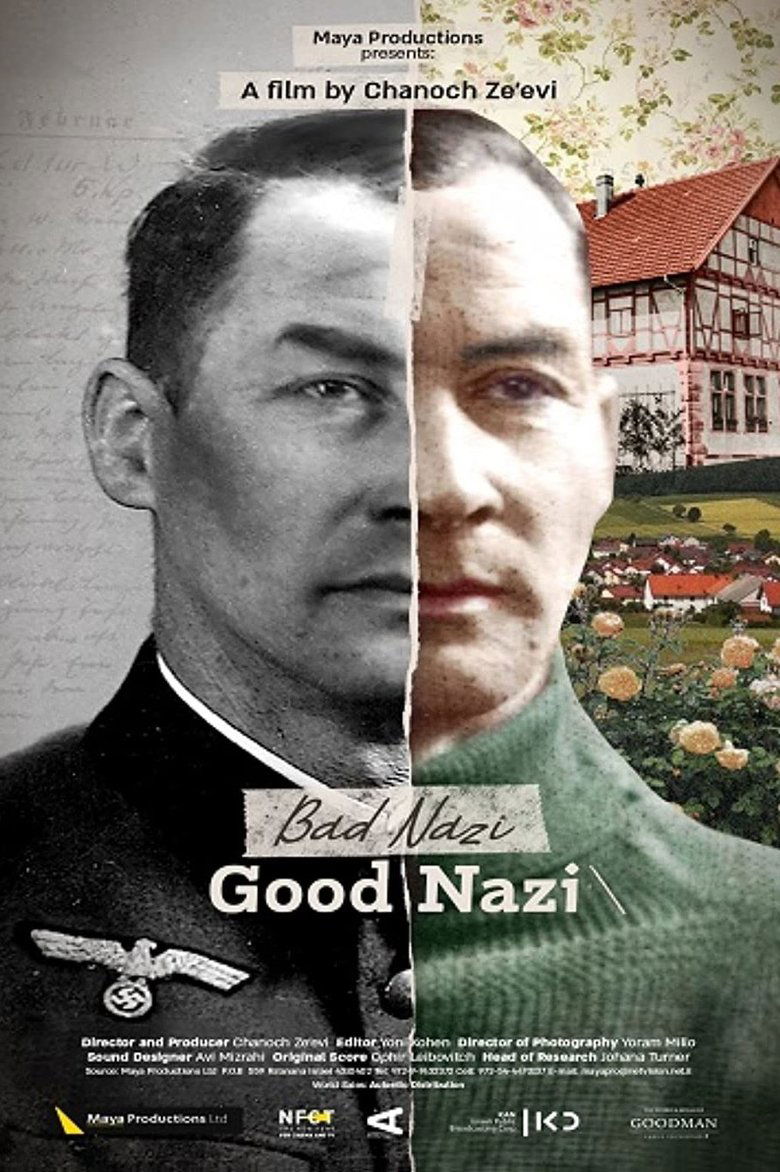
He is known as the Nazi officer who saves "The Pianist" -Wladyslaw Szpilman, in the Roman Polanski film, but his German hometown from which he ran the local school and went to the war, still refuses to recognize him as a hero. 70 years after the end of the war, a group of residents demand to commemorate the Nazi Officer, Wilm Hosenfeld, in the local school and the reactions are stormy. In the meantime, Hosenfeld's grandchildren discover their grandfather's secret diaries in which he documented Nazi war crimes and they embark on a journey of discovery. During this journey, they will find out that their grandfather was a serial savior and aside from "The Pianist", another 60 people owe him their lives.
Director
Writer
Status
Released
Original Language
DE
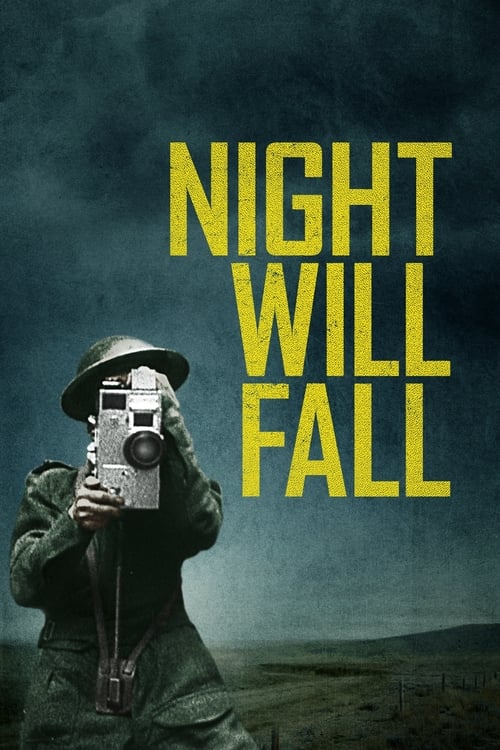
When Allied forces liberated the Nazi concentration camps in 1944-45, their terrible discoveries were recorded by army and newsreel cameramen, revealing for the first time the full horror of what had happened. Making use of British, Soviet and American footage, the Ministry of Information’s Sidney Bernstein (later founder of Granada Television) aimed to create a documentary that would provide lasting, undeniable evidence of the Nazis’ unspeakable crimes. He commissioned a wealth of British talent, including editor Stewart McAllister, writer and future cabinet minister Richard Crossman – and, as treatment advisor, his friend Alfred Hitchcock. Yet, despite initial support from the British and US Governments, the film was shelved, and only now, 70 years on, has it been restored and completed by Imperial War Museums under its original title "German Concentration Camps Factual Survey".
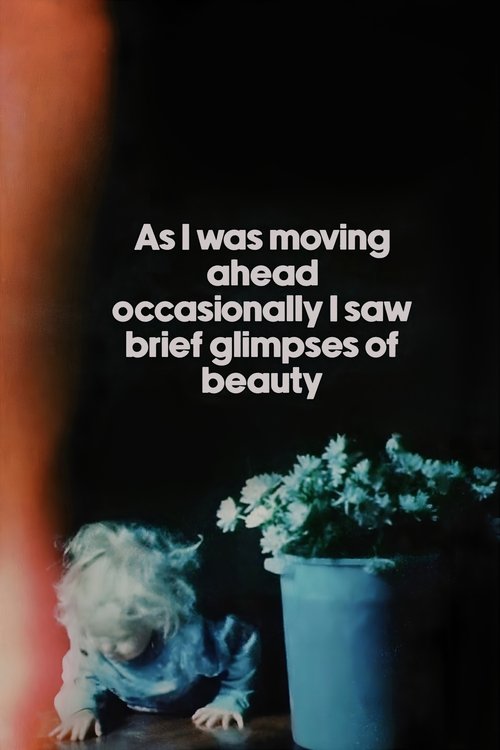
A compilation of over 30 years of private home movie footage shot by Lithuanian-American avant-garde director Jonas Mekas, assembled by Mekas "purely by chance", without concern for chronological order.