
User Score
0 votes
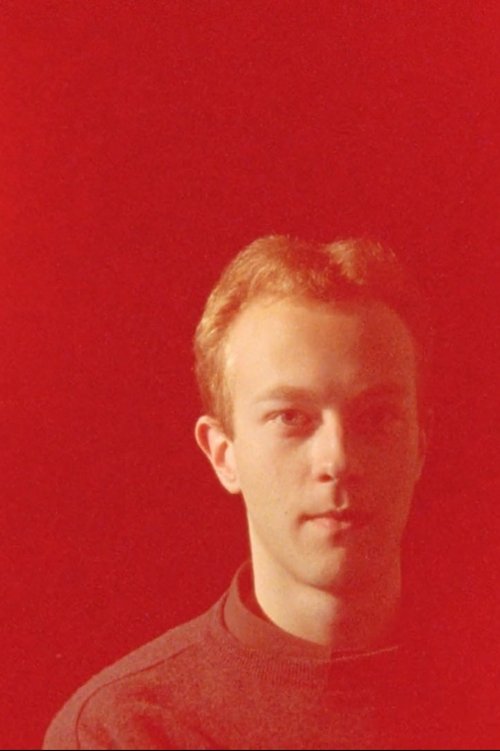
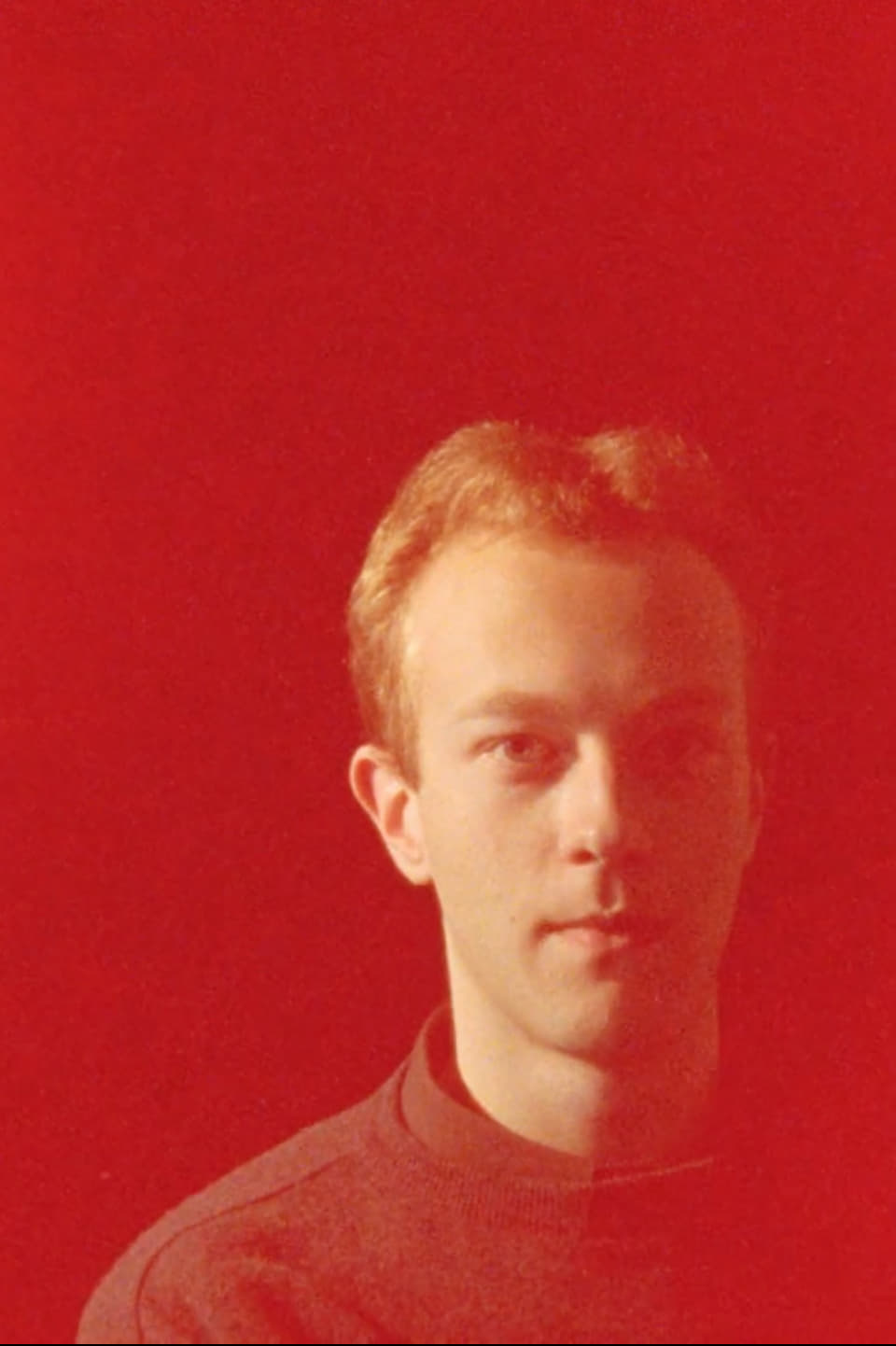
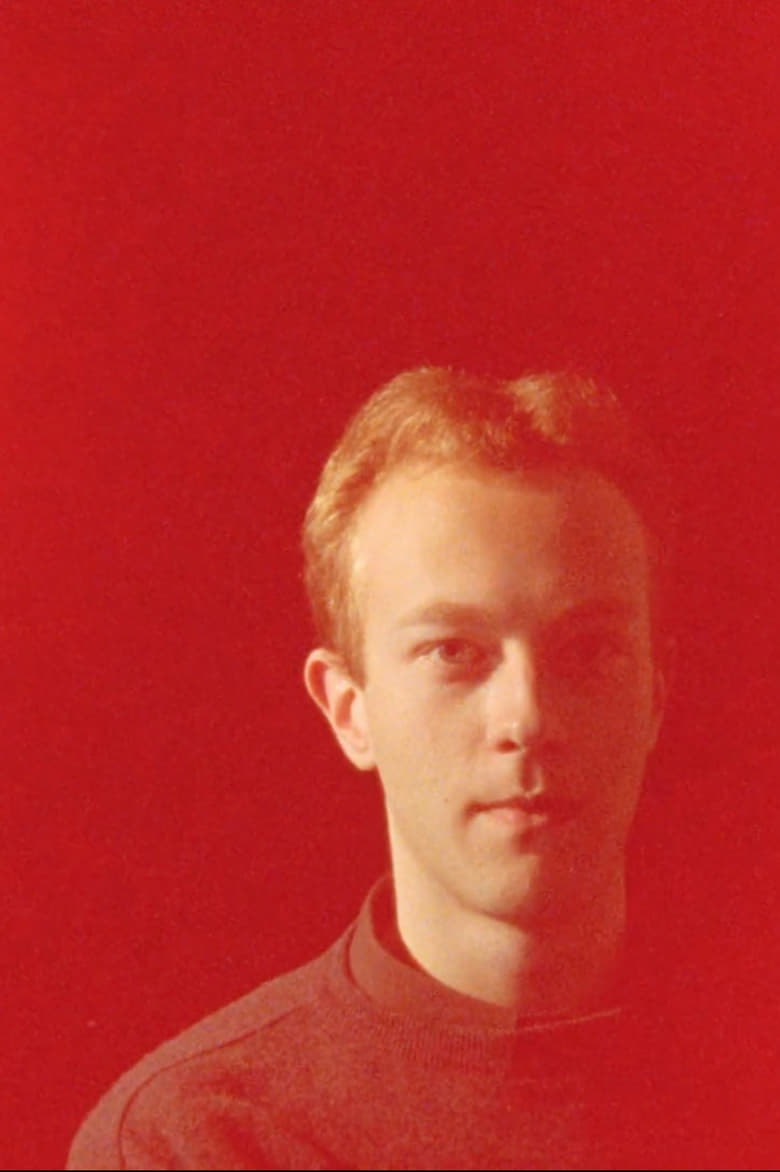
Evoking the physiognomy of a Rembrandt portrait, Axiom of Choice depicts Jonas Mekas and his son Sebastian, their heads rotating in radiant chiaroscuro against a black ground. With Mekas at its center, the references to cinematic machinery abound in this work: from the proto-filmic zoetrope (which used a spinning cylinder to create the illusion of a moving image), to the flickering zoom of Ernie Gehr’s film Serene Velocity, to the enormous gyrating machine at the center of Michael Snow’s La Région Centrale. —Richard Birkett, Karin Schneider & Nicolás Guagnini
Director
Director
Status
Released
Original Language
XX
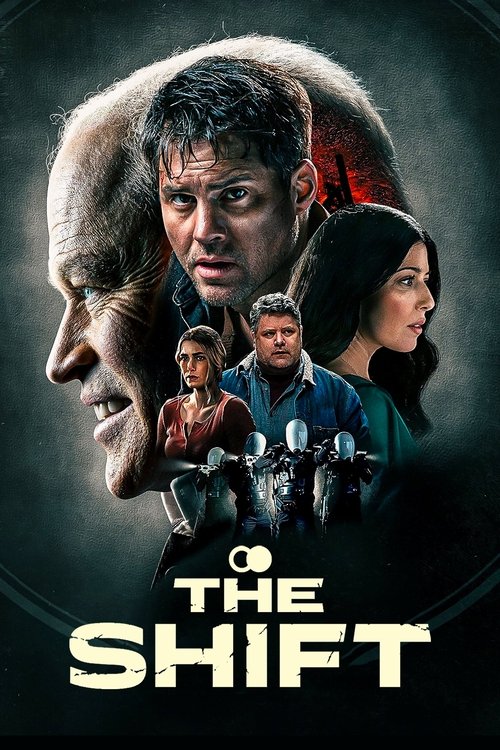
Following a tense encounter with a mysterious stranger with otherworldly powers, a man finds himself banished to a parallel, tyrannical Earth, where he fights to get back to the woman he loves.