
User Score
0 votes
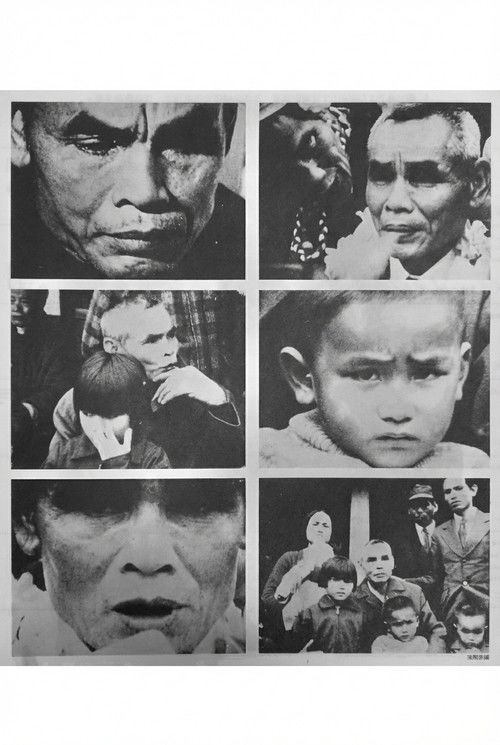
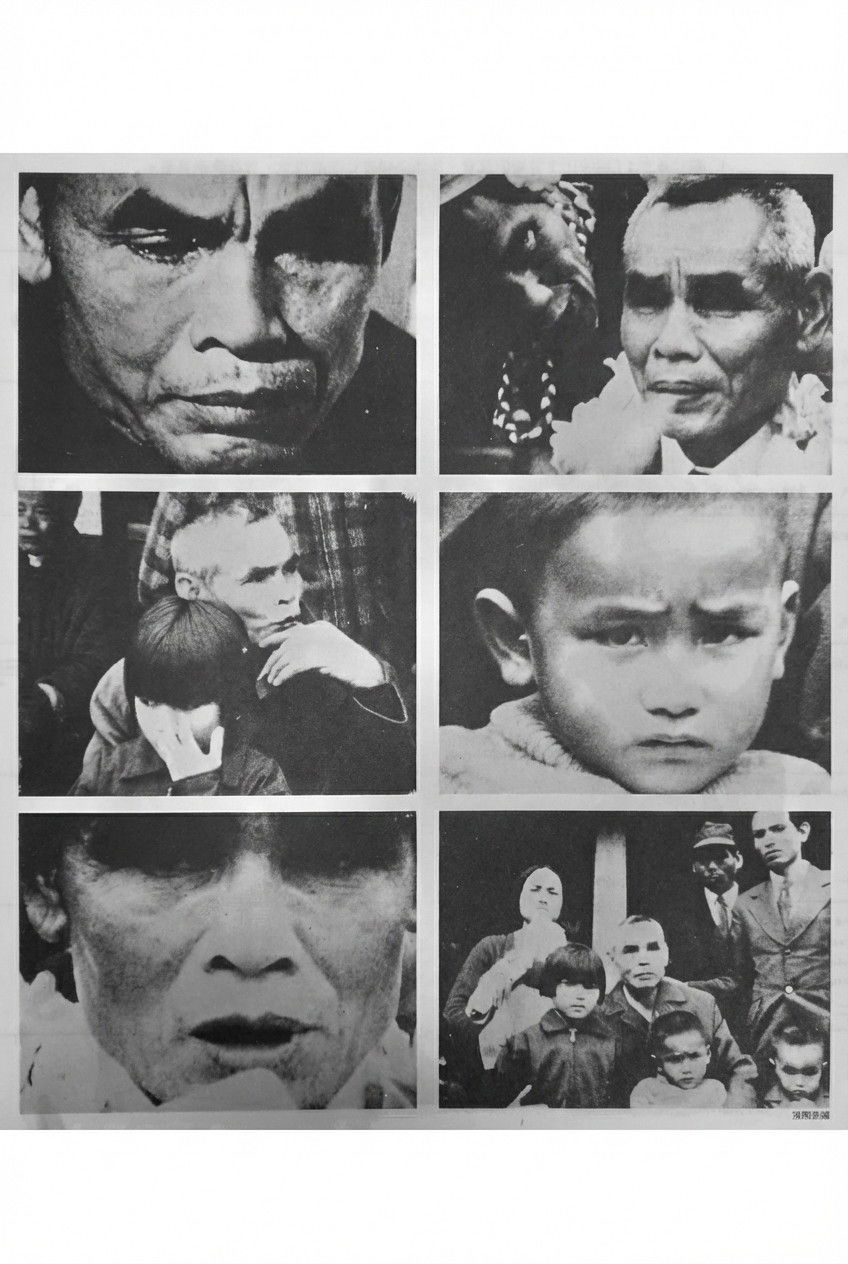
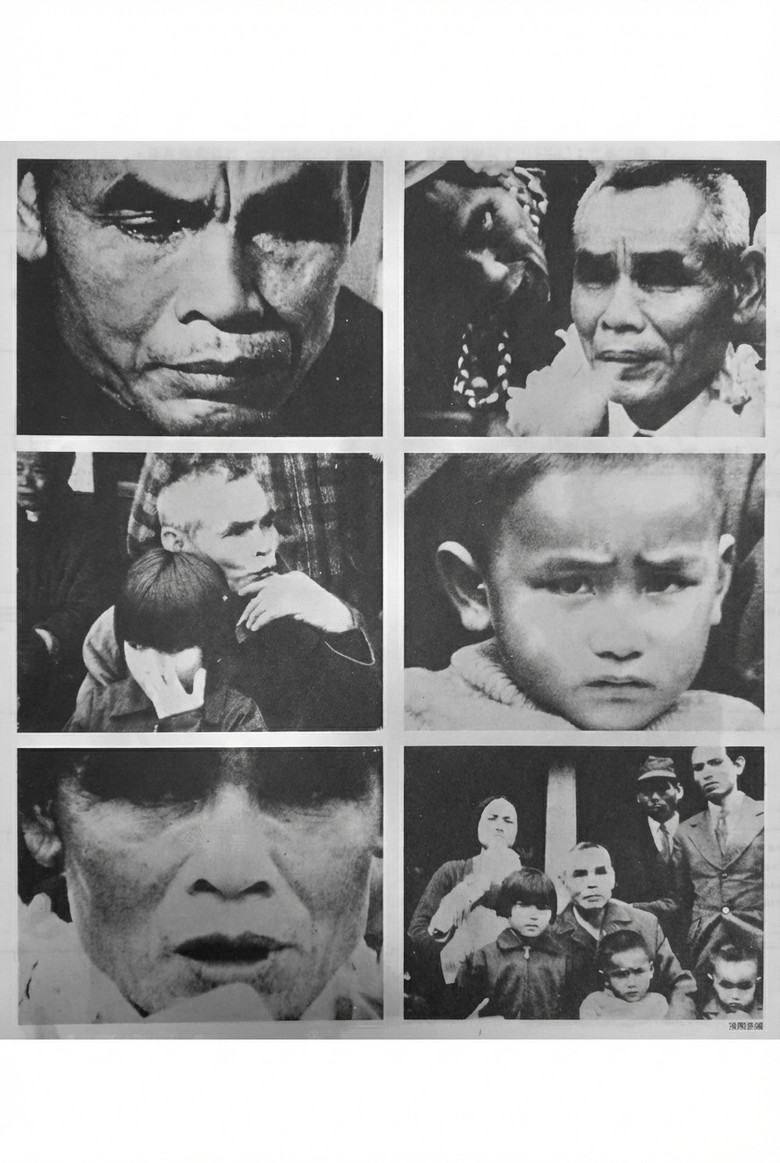
Archive / Lee Guang-Hui is a 30-minute compilation film assembled from footage independently preserved by Chang Chao-Tang between 1975 and 1979 during his work as a television cameraman. Documenting the final years of Lee Guang-Hui—an Indigenous Taiwanese former Japanese soldier who lived in isolation in Indonesia for nearly three decades after World War II—the film traces his return to Taiwan, brief media exposure, and death. Neither a conventional documentary nor a completed historical account, the work functions as an unfinished archive, juxtaposing official rituals, media spectacle, and moments of silence to expose the erasure of subjectivity and the unresolved fractures of postwar history.
Director
Status
Released
Original Language
ZH
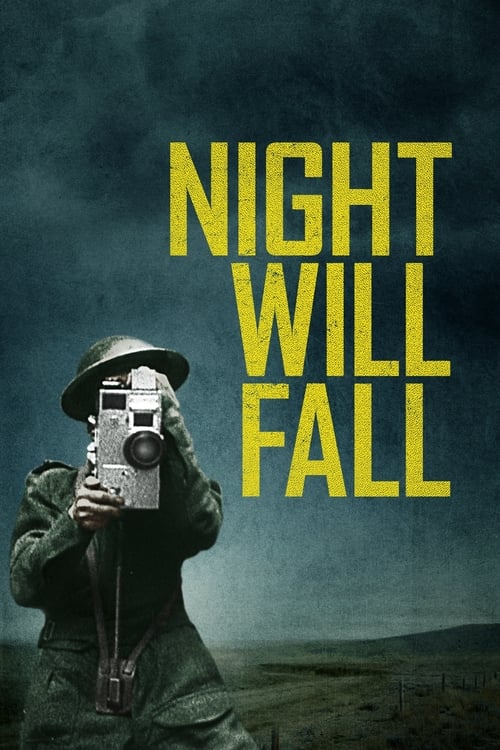
When Allied forces liberated the Nazi concentration camps in 1944-45, their terrible discoveries were recorded by army and newsreel cameramen, revealing for the first time the full horror of what had happened. Making use of British, Soviet and American footage, the Ministry of Information’s Sidney Bernstein (later founder of Granada Television) aimed to create a documentary that would provide lasting, undeniable evidence of the Nazis’ unspeakable crimes. He commissioned a wealth of British talent, including editor Stewart McAllister, writer and future cabinet minister Richard Crossman – and, as treatment advisor, his friend Alfred Hitchcock. Yet, despite initial support from the British and US Governments, the film was shelved, and only now, 70 years on, has it been restored and completed by Imperial War Museums under its original title "German Concentration Camps Factual Survey".
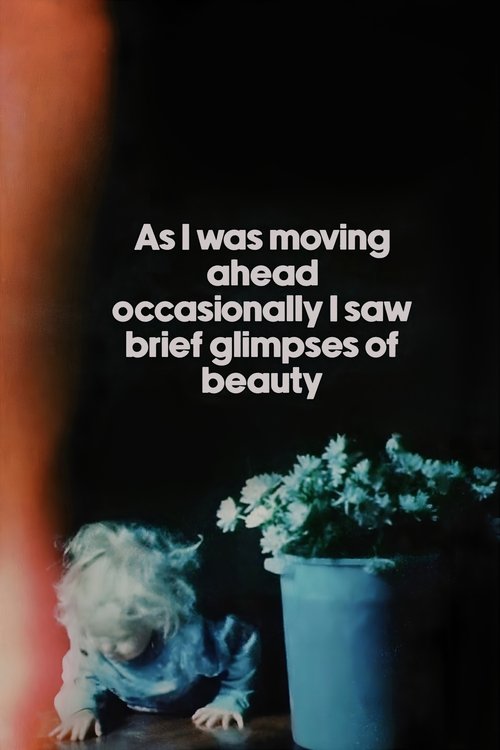
A compilation of over 30 years of private home movie footage shot by Lithuanian-American avant-garde director Jonas Mekas, assembled by Mekas "purely by chance", without concern for chronological order.