
User Score
1 votes
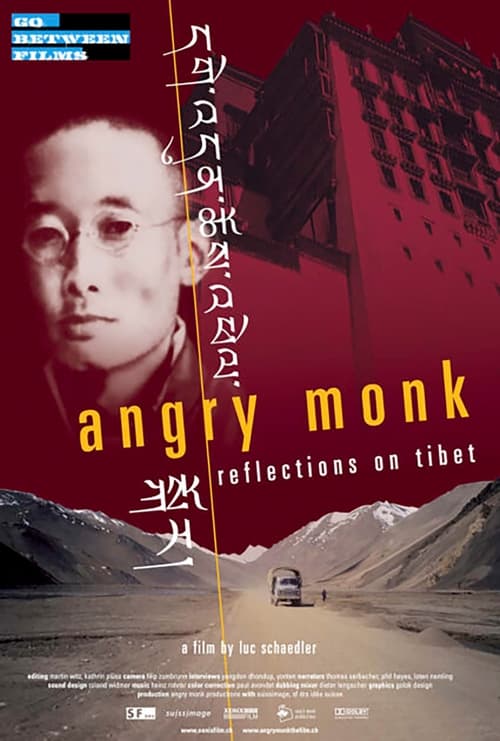
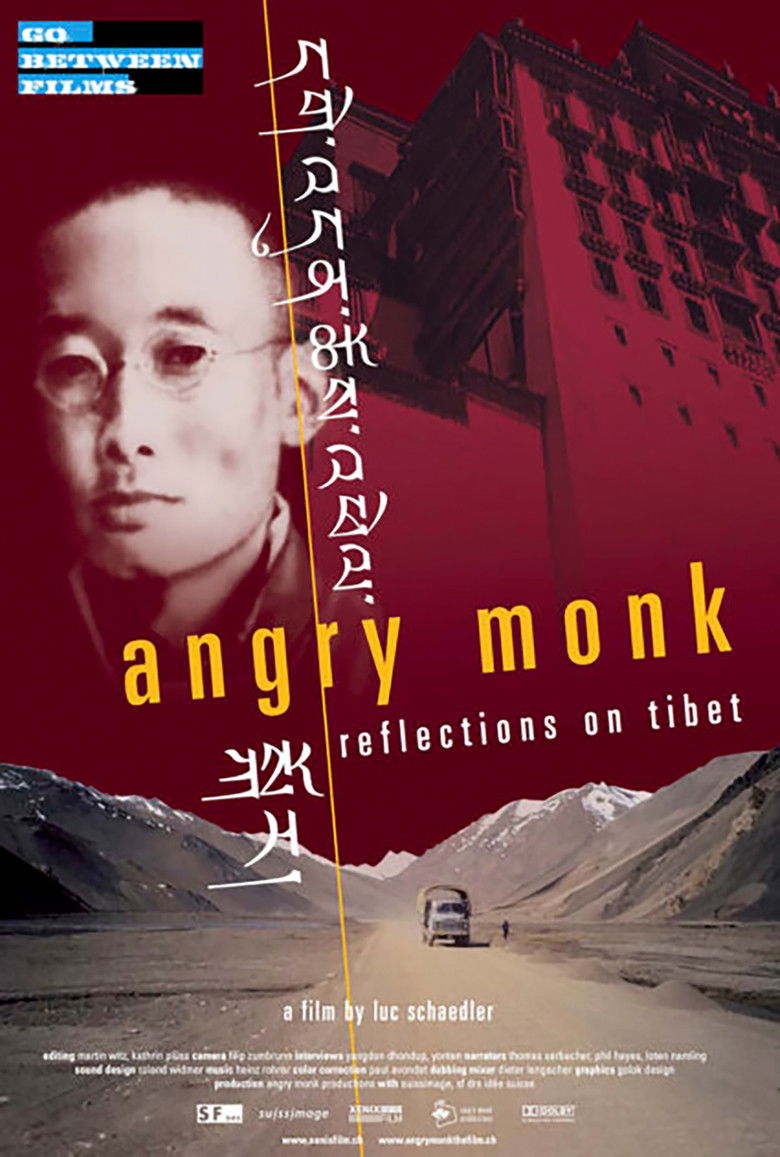
“The film film tells the fascinating story of Tibetan monk Gendun Choephel whose robes ultimately proved to be too constricting for his imagination.”
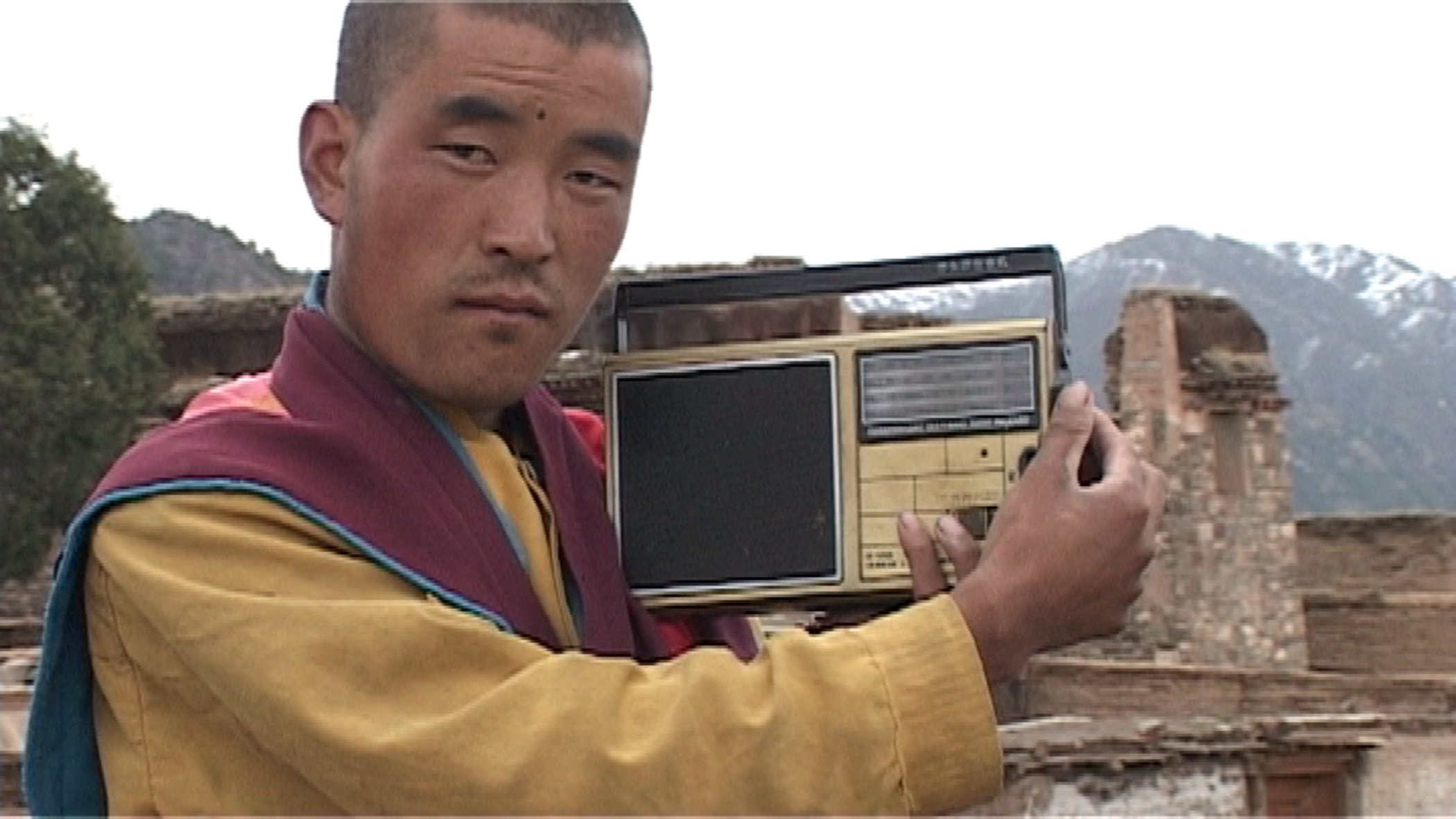
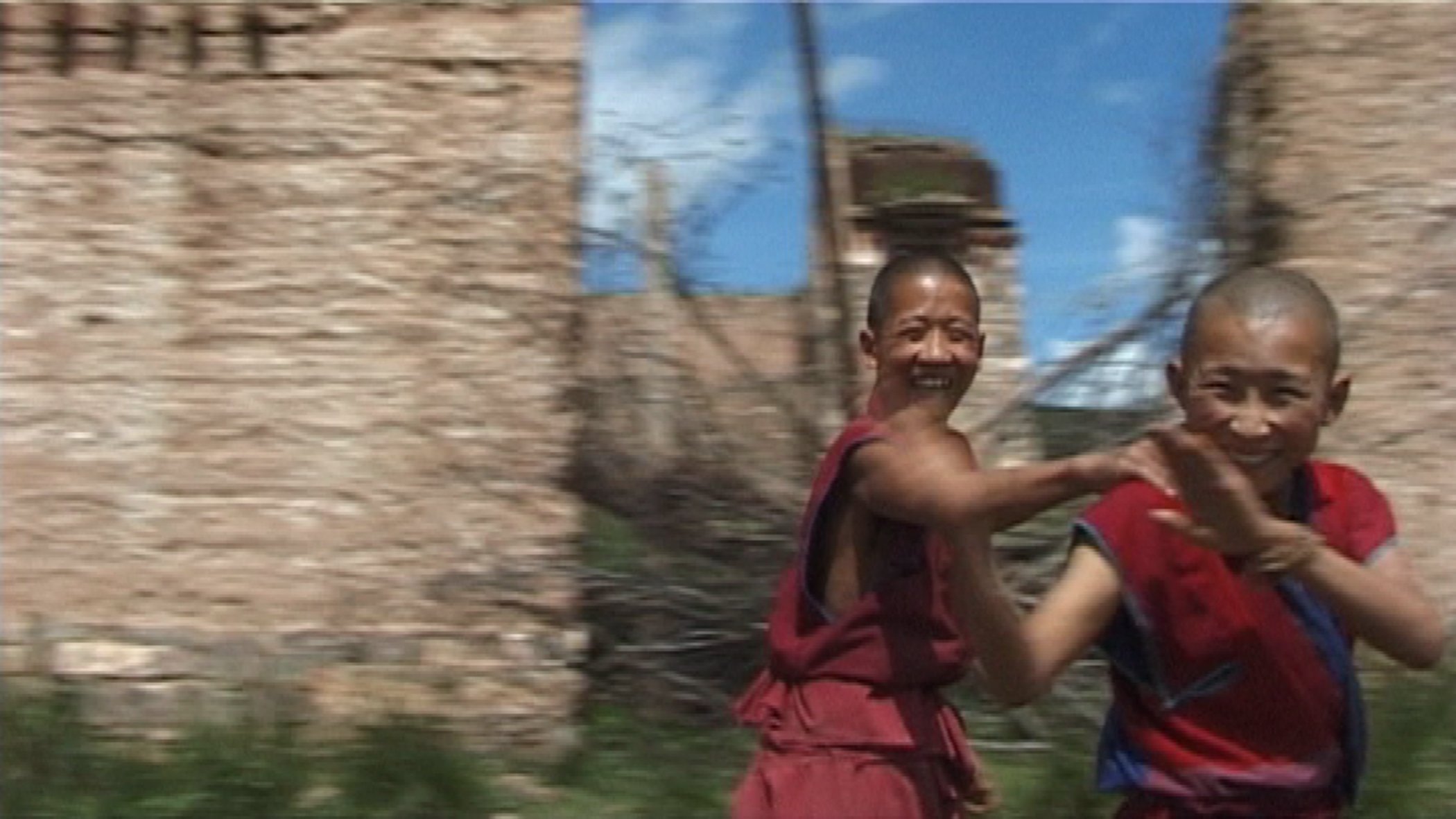
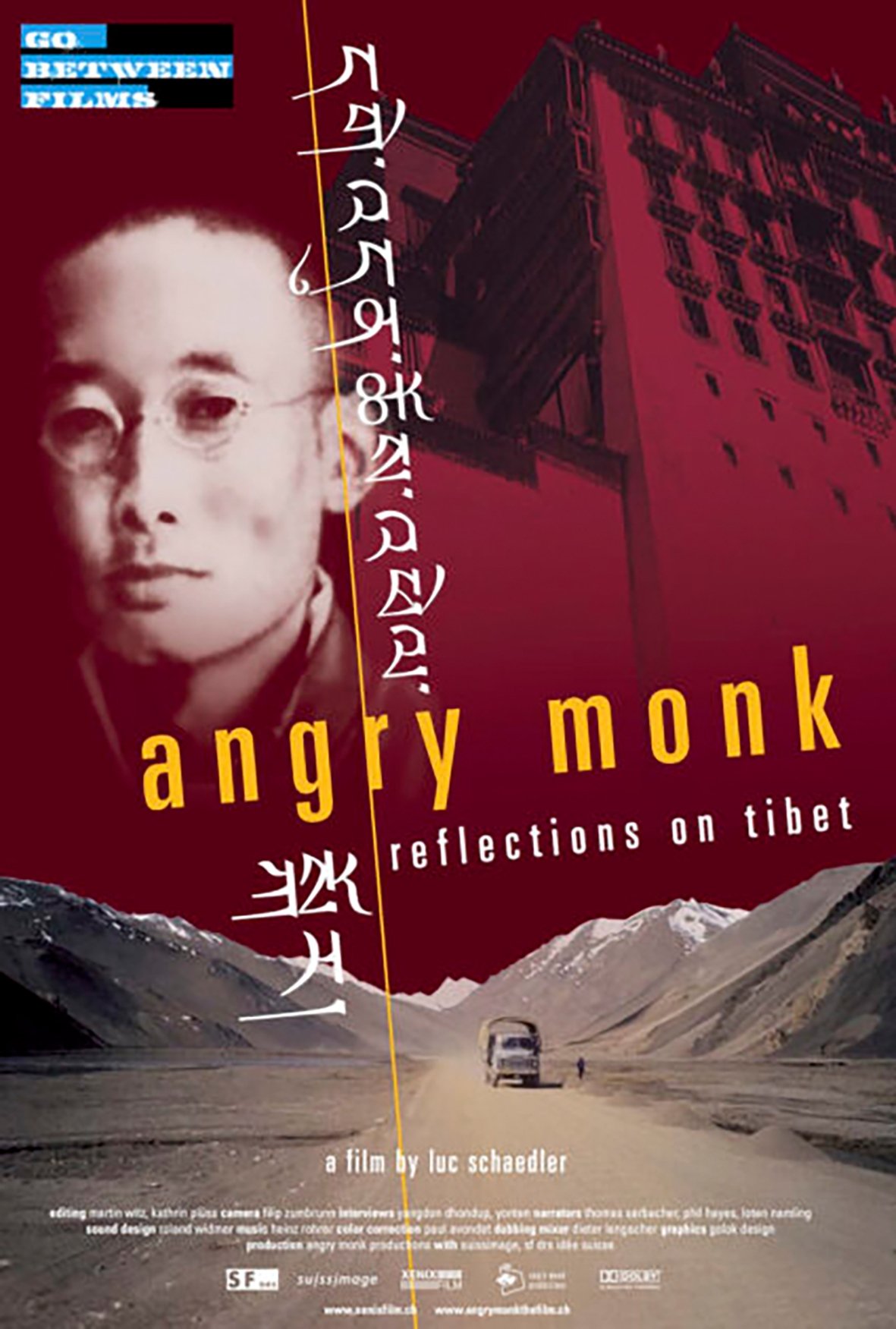
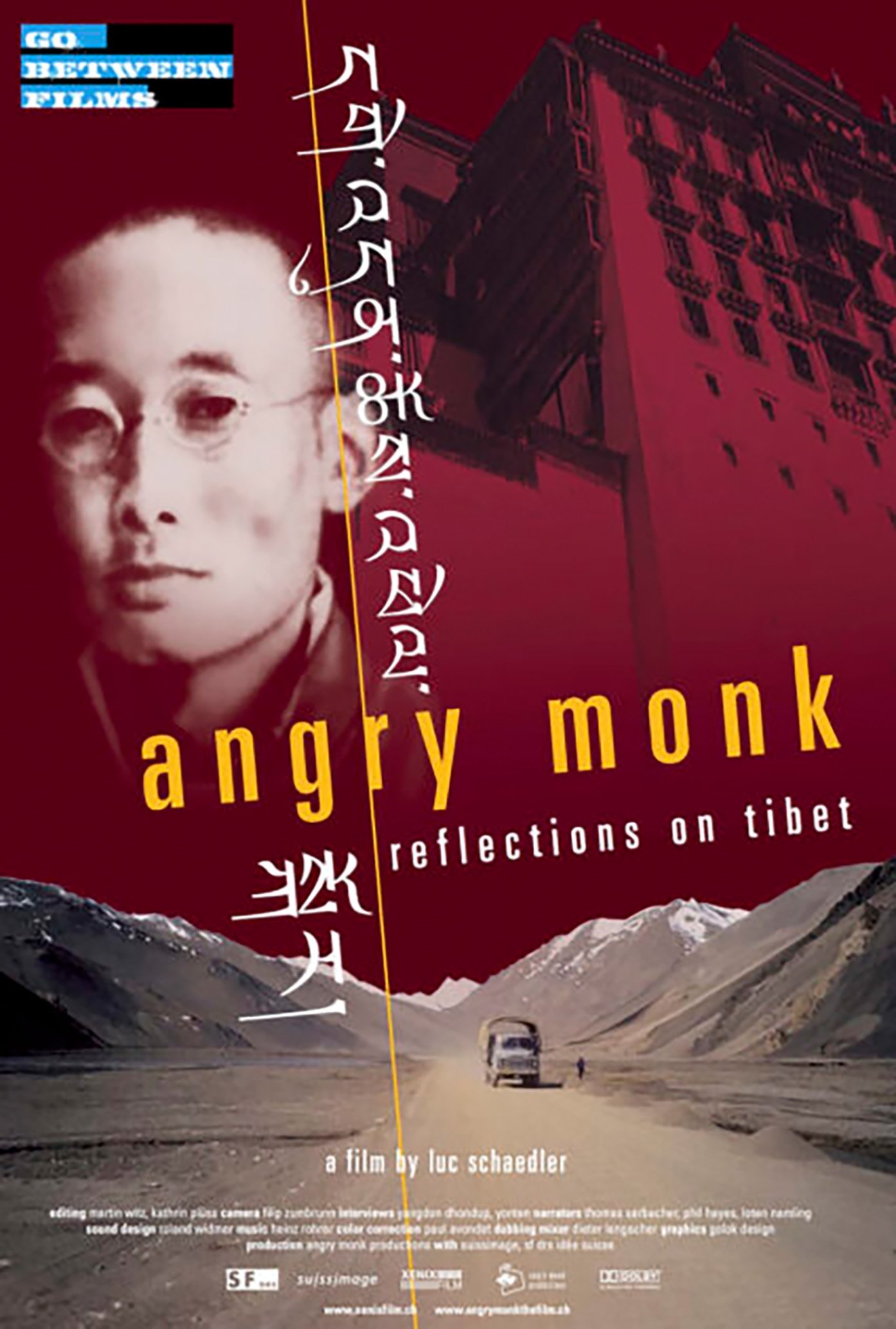
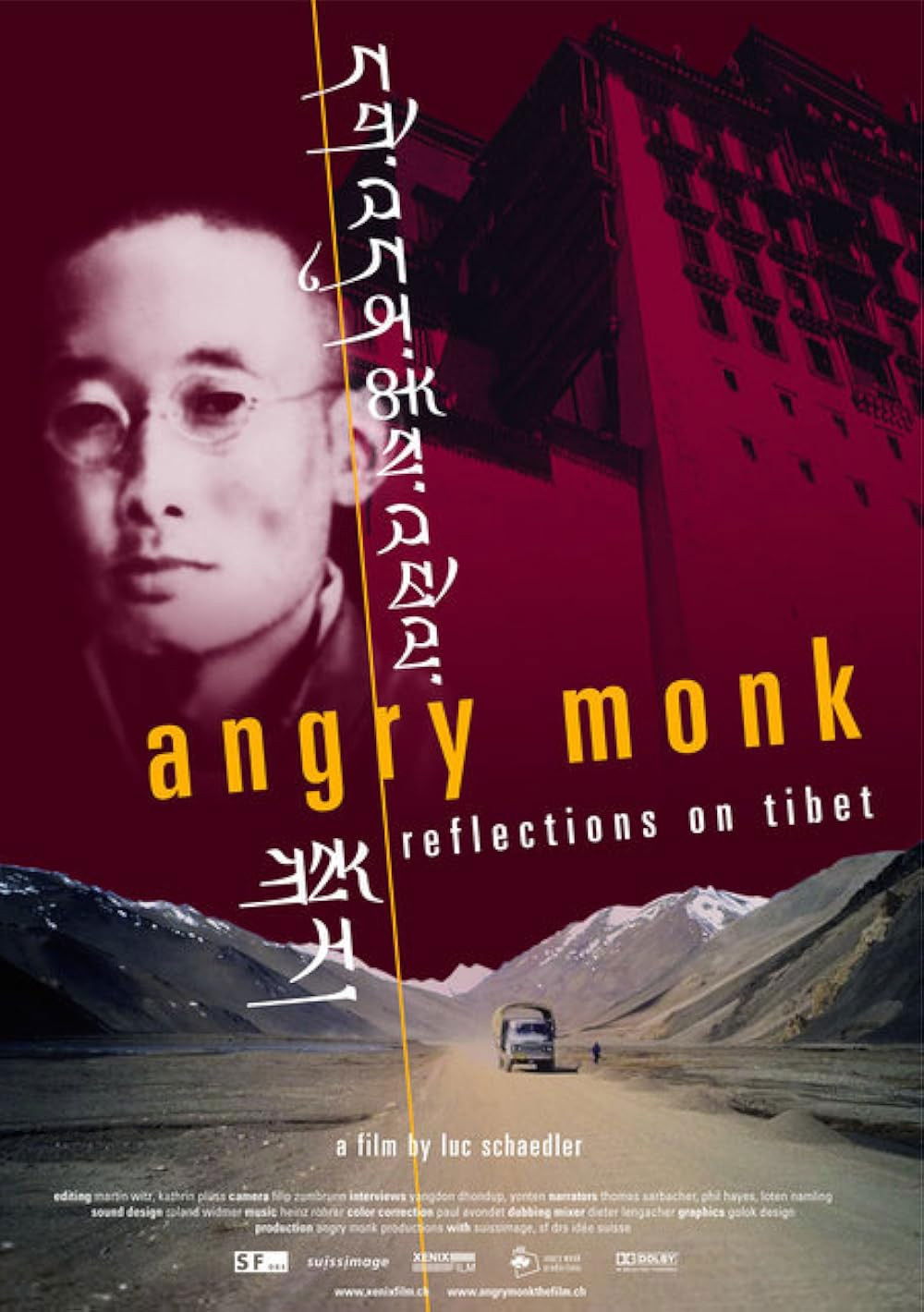
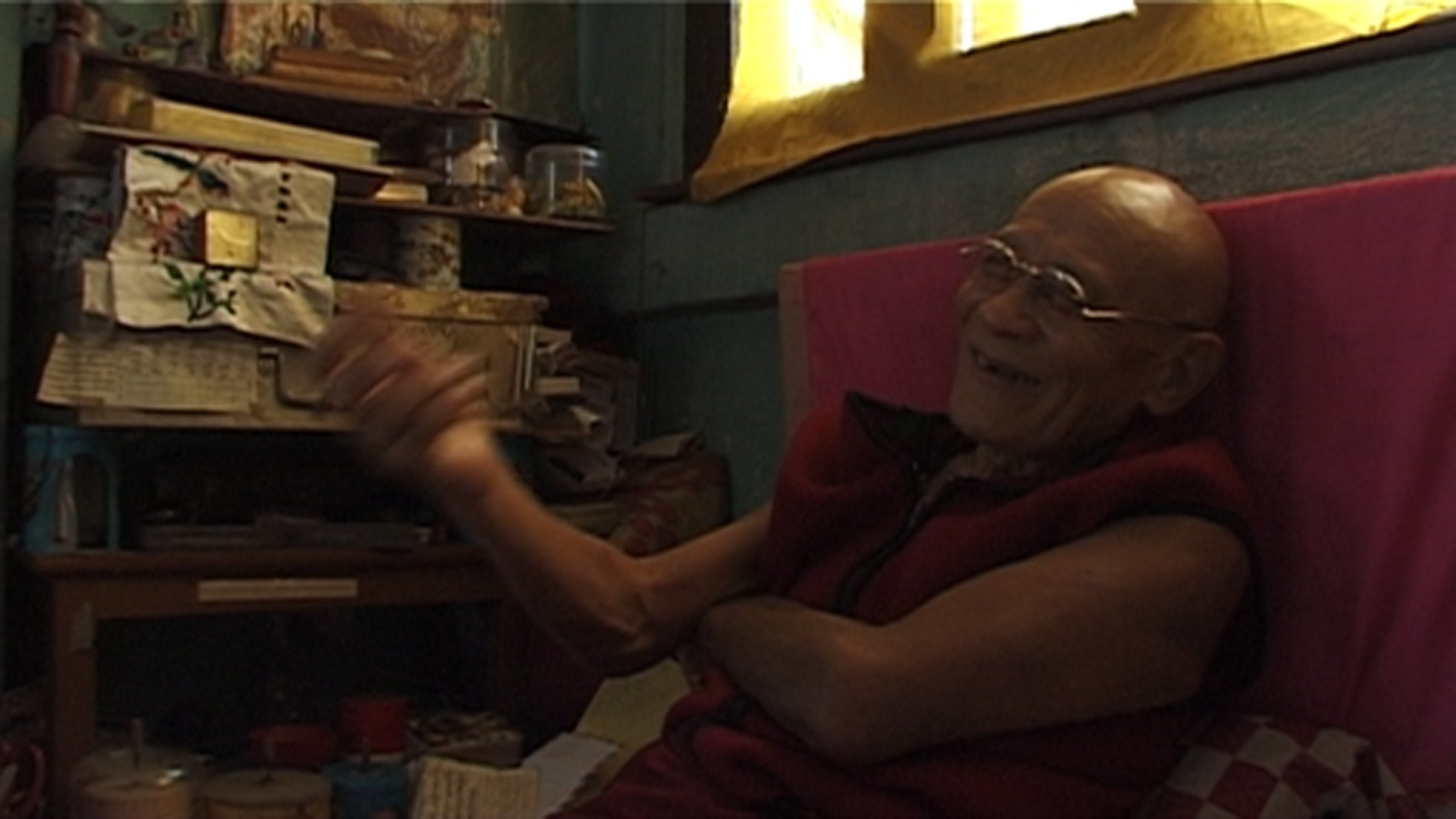
Schaedler's film tells the fascinating story of Tibetan monk Gendun Choephel whose robes ultimately proved to be too constricting for his imagination and intellect. Born in 1903, Choephel left an indelible mark on Tibetan culture and became an icon for young Tibetans today. Because of his political views he was persecuted by the Tibetan government and died a broken man in 1951. The film follows in the footsteps of the rebel monk whose intellect challenged the ancient traditions of old Tibet. Journeying through Tibet and India, “Angry Monk” provides a vivid picture of Tibet that is in refreshing contrast to its often idealized and esoteric image.
Director
Screenplay
Status
Released
Original Language
EN

Based on three different places, the film portrays the infractions to which people living in modern day China are subjected due to rapid developments: in the deceptively idyllic Yangshuo in the rainy south; in the apocalyptic coal mining site of Wuhai in the parched north; and in Chongqing, the urban behemoth on the Yangtze River. The protagonists give their accounts of the unsurmounted past, the precarious present and their tentative steps into the future. The film thus paints a complex image of the mental state of the people in this complicated country.

The film Made in Hong Kong allows glimpses on a Hong Kong shortly before the 1997 handover to China. But rather than focusing on the expected hysteria Luc Schaedler’s documentary debut works towards complexity by allowing six diverse residents to talk about their relationship to the colonial city. Their life stories beautifully mix with the images of the author. Made in Hong Kong is a very personal portrait of a city in transition and we learn about Hong Kong’s ambiguities and its political and social problems, as well as the uncertainties regarding the time after 1997.