

User Score
3 votes
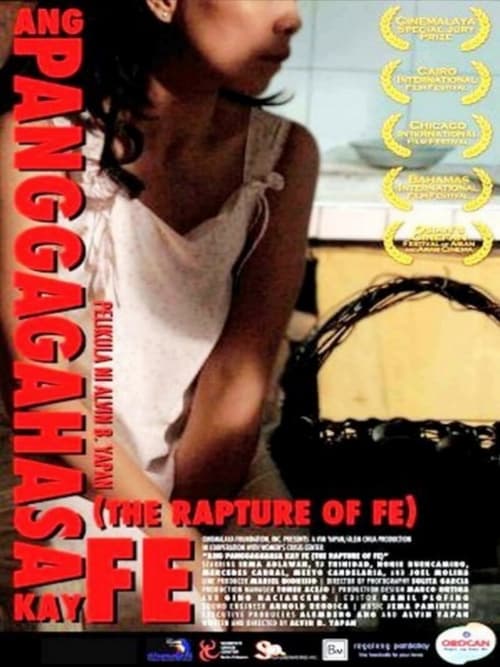
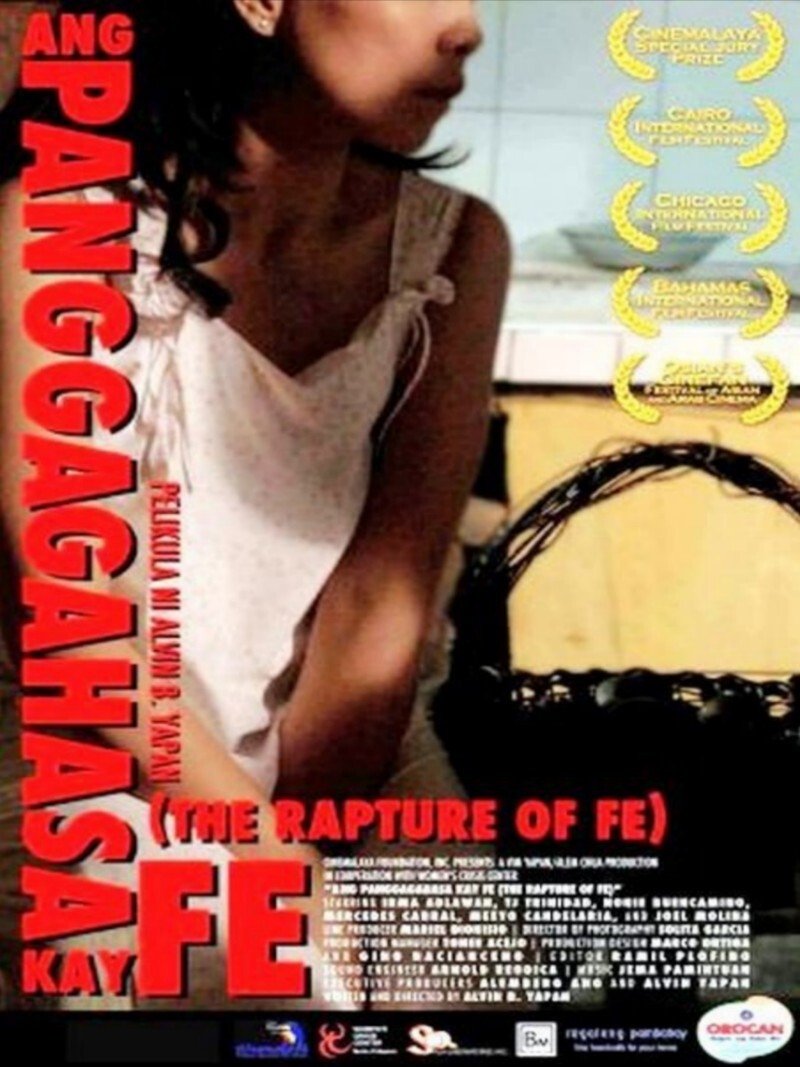
Fe returns home to the Philippines after several years of working overseas, her job a victim of global economic shifts. Fe is initially greeted with affection by her husband Dante, but he has a long history of domestic violence fueled by rage and long-term impotence, and Fe quickly discovers her time away has not changed him. Dante works in a factory making baskets, and Fe soon joins him there; she becomes the lover of Arturo, the man who manages the basket company, but while Arturo treats her well, he's still under the thumb of his father who owns the factory. Meanwhile, an unknown admirer sends her parcels of strange black fruit on a regular basis. Torn between two men who cannot give her what she needs and wants, Fe's frustration leads to take desperate steps to establish her independence.
Director
Screenplay
Status
Released
Original Language
TL
Kapre
A woman seeking excitement meets a man who brings light and meaning to her world.