
User Score
22 votes
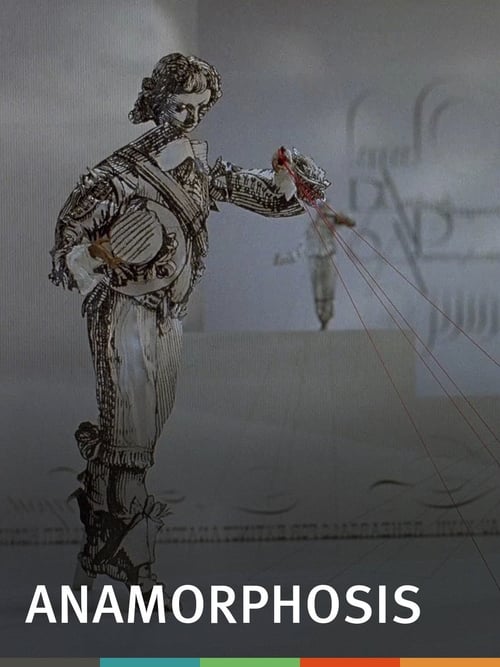
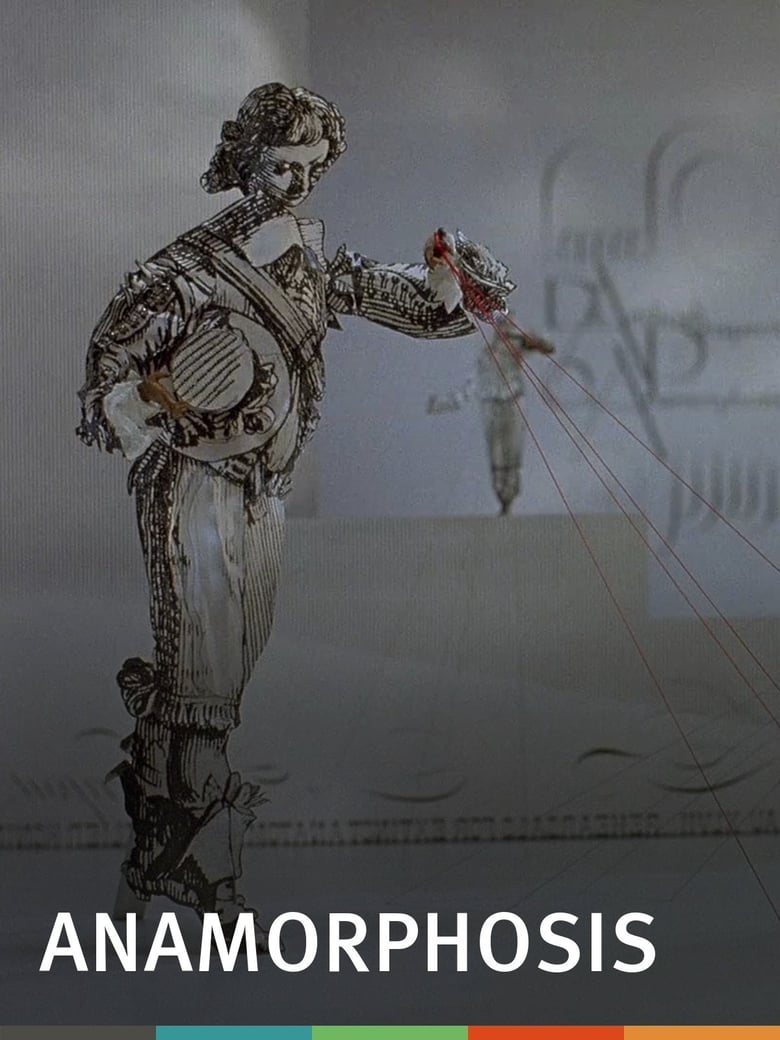
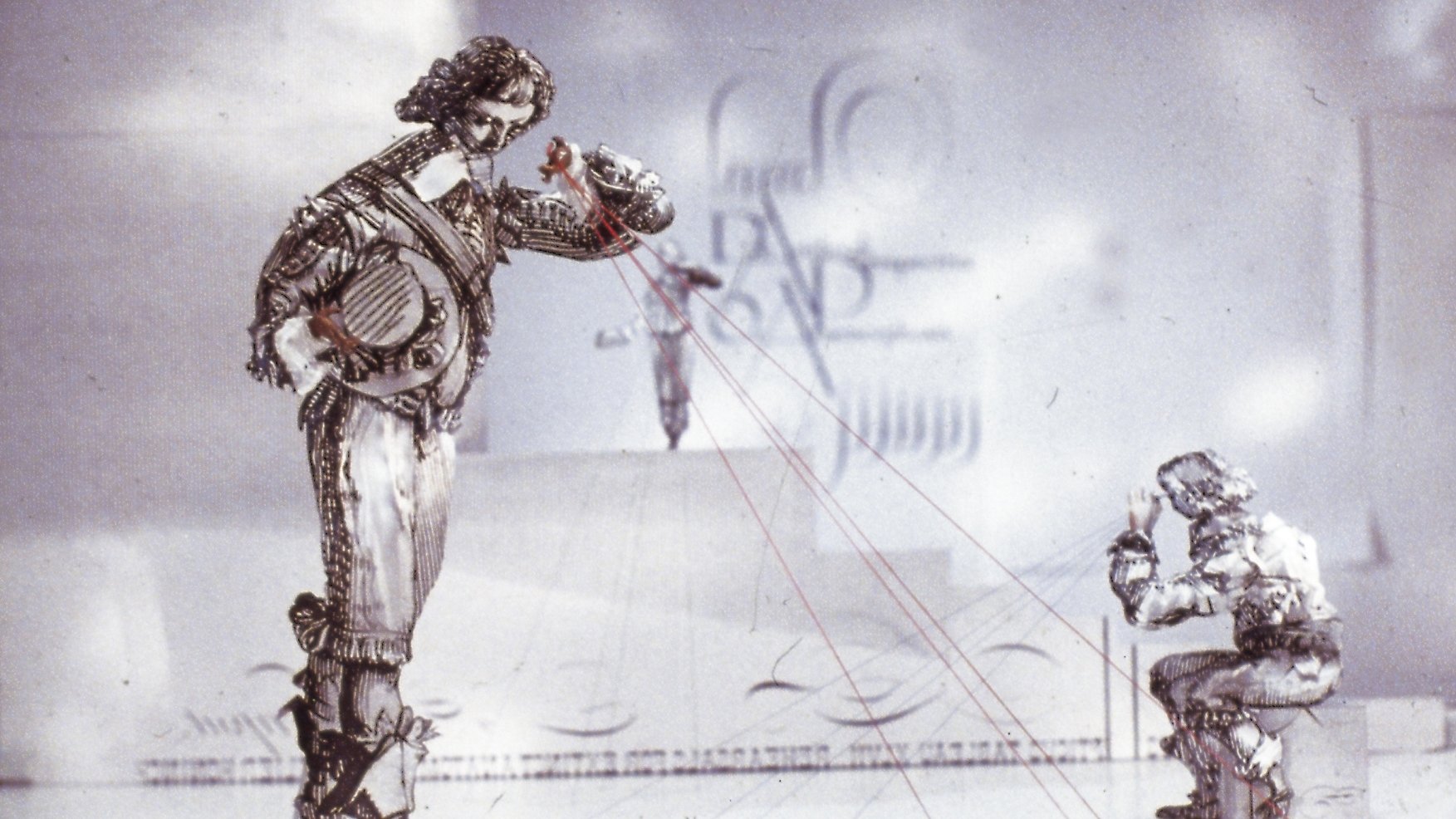
The Quays' interest in esoteric illusions finds its perfect realization in this fascinating animated lecture on the art of anamorphosis. This artistic technique, often used in the 16th- and 17th centuries, utilizes a method of visual distortion with which paintings, when viewed from different angles, mischievously revealed hidden symbols.
Status
Released
Original Language
EN

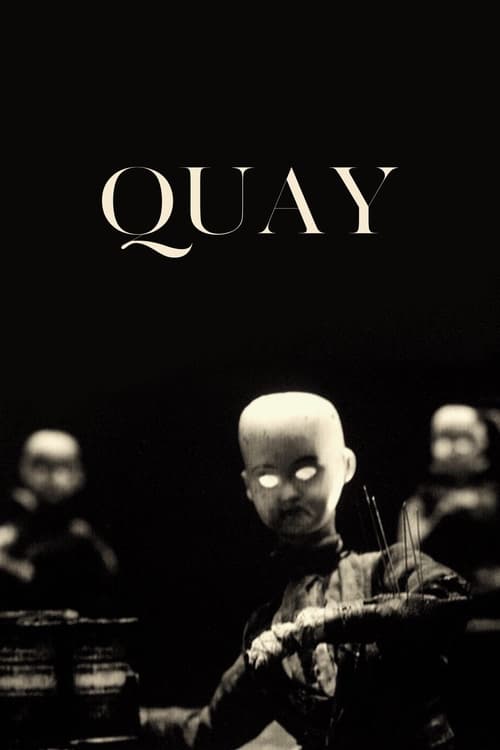
In Prague, a professorial puppet, with metal pincers for hands and an open book for a hat, takes a boy as a pupil. First, the professor empties fluff and toys from the child's head, leaving him without the top of his head for most of the film. The professor then teaches the lad about illusions and perspectives, the pursuit of an object through exploring a bank of drawers, divining an object, and the migration of forms. The child then brings out a box with a tarantula in it: the professor puts his "hands" into the box and describes what he feels. The boy receives a final lesson about animation and film making; then the professor gives him a brain and his own open-book hat.

A woman sits alone on a chair at a table in a room on one of the top floors of an asylum. Bright spot lights dot the night, sometimes shining on her window. She sharpens pencils and writes on a page in a copy book. The pencil point often breaks under her fingers' force. She places broken points outside the window on the sill. A satanic figure is somewhere nearby, animated but of straw or clay, not flesh. She finishes her writing, tears the paper from the pad, folds it, places it in an envelope, and slips it through a slot. Is she writing to her husband? "Sweetheart, come."