
User Score
0 votes
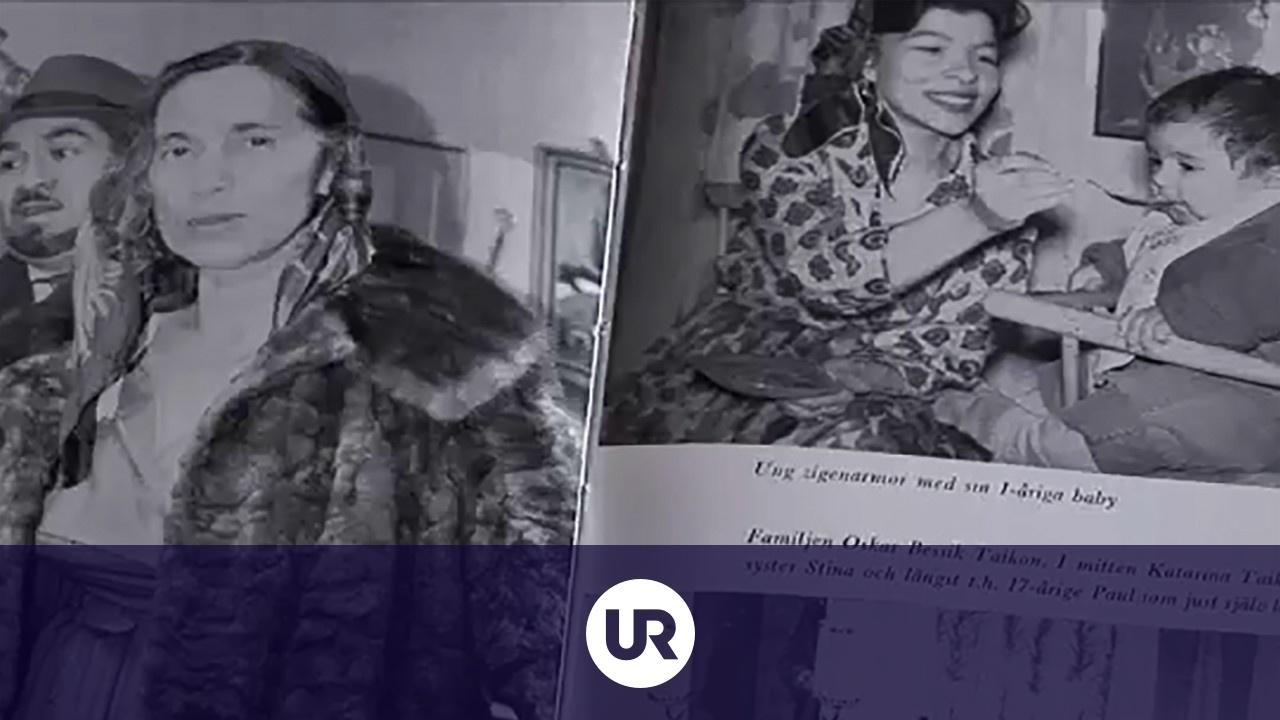
Ever since the first Roma people arrived in Sweden five hundred years ago, they have been discriminated against and persecuted. The lack of knowledge, invisibility and denial of the historical abuses that Roma have been exposed to is one of the many contributing causes of continued marginalization and vulnerability of Roma today. Here, the Roma tell of the abuses and persecutions they experienced during the 20th century. How it felt like as a child being constantly expelled from the camp, not infrequently in the middle of the night, with violence and under gunfire. Soraya Post from the traveling group tells how her mother, as a pregnant 23-year-old, was forced to abort her child in the seventh month. The reason: She was a "gypsy".
Director
Writer
Status
Released
Original Language
EN

When Allied forces liberated the Nazi concentration camps in 1944-45, their terrible discoveries were recorded by army and newsreel cameramen, revealing for the first time the full horror of what had happened. Making use of British, Soviet and American footage, the Ministry of Information’s Sidney Bernstein (later founder of Granada Television) aimed to create a documentary that would provide lasting, undeniable evidence of the Nazis’ unspeakable crimes. He commissioned a wealth of British talent, including editor Stewart McAllister, writer and future cabinet minister Richard Crossman – and, as treatment advisor, his friend Alfred Hitchcock. Yet, despite initial support from the British and US Governments, the film was shelved, and only now, 70 years on, has it been restored and completed by Imperial War Museums under its original title "German Concentration Camps Factual Survey".
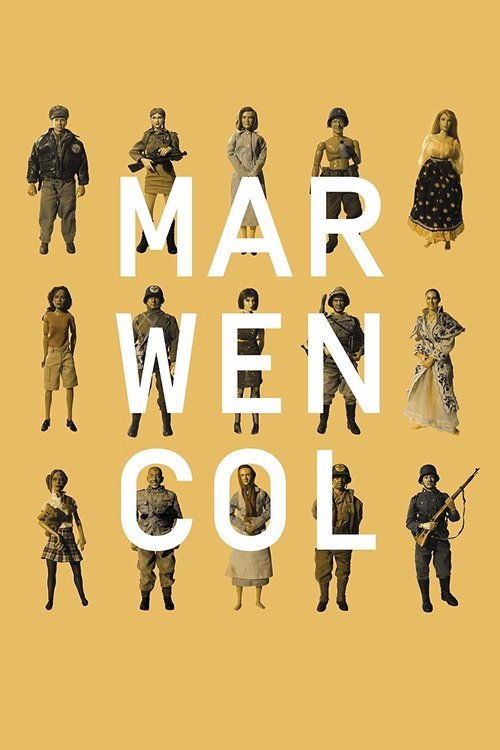
After a vicious attack leaves him brain-damaged and broke, Mark Hogancamp seeks recovery in "Marwencol", a 1/6th scale World War II-era town he creates in his backyard.