

User Score
3 votes
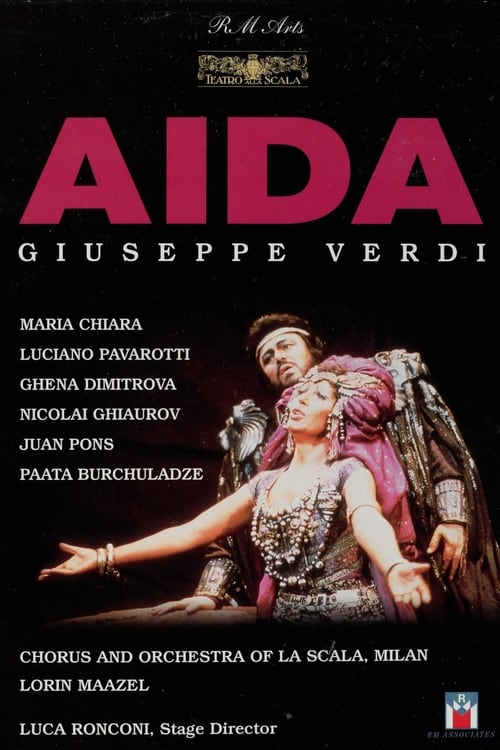
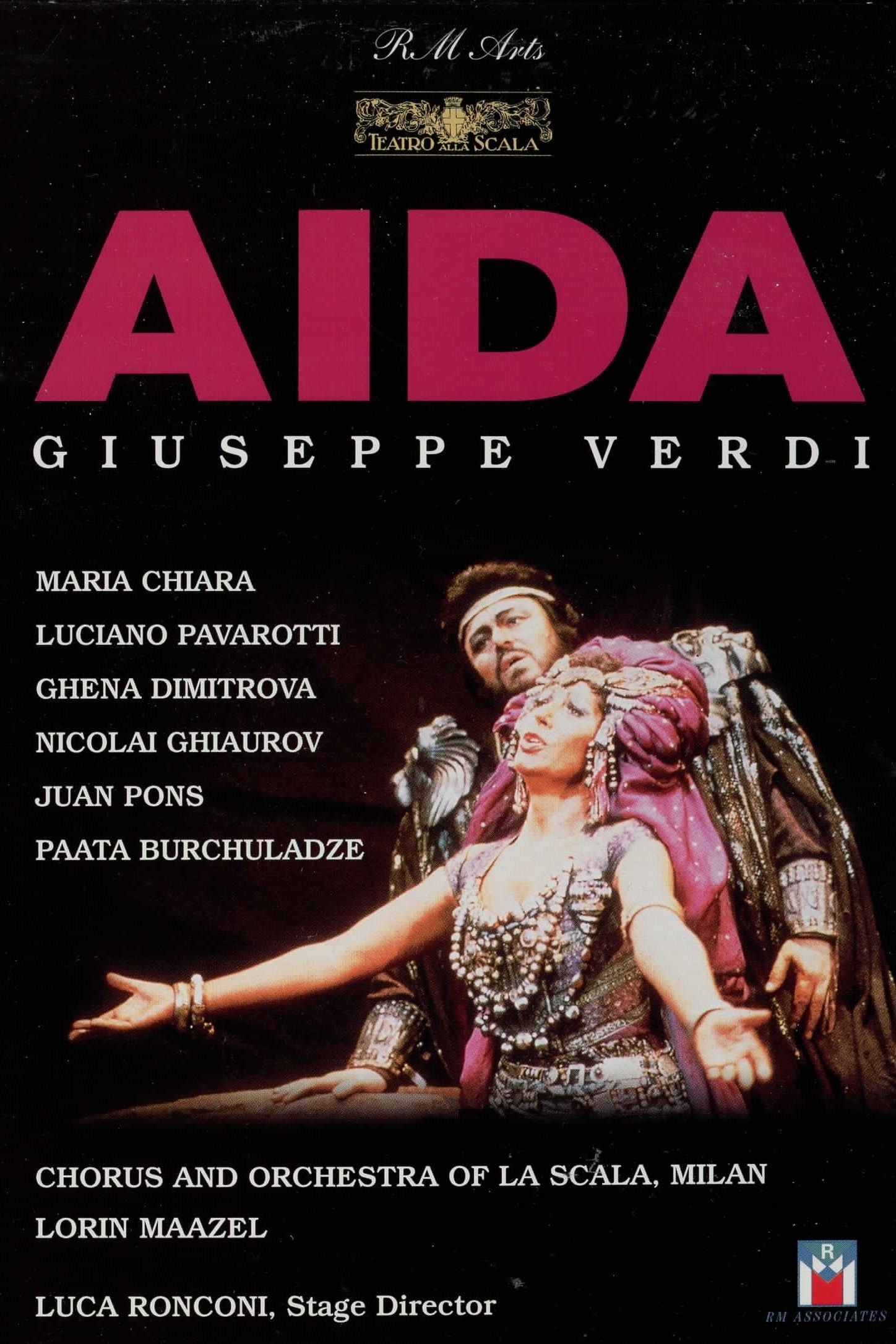
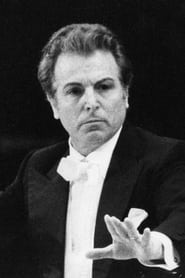
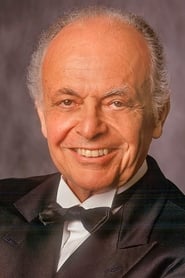
La Scala went all out for its 1986 production of this grandest of grand operas, with a strong cast and, most important for a video recording, a larger-than-life staging. The Triumph Scene in Act II is by no means Aida's only attraction, but it is the part that makes the strongest and most lasting impression and it is the visual and musical climax of this production. Stage director Luca Ronconi brings on a procession to dwarf all processions: looted treasures, heroic statuary, miserable captives struggling under the lash of whip-bearing slave drivers. On par with these visuals is Lorin Maazel's first-class performance of the popular Grand March with the outstanding La Scala chorus and orchestra. In Act III, the contrasting tranquility of the Nile Scene also gets a visual treatment to match the music's qualities.
Status
Released
Original Language
IT
Amonasro
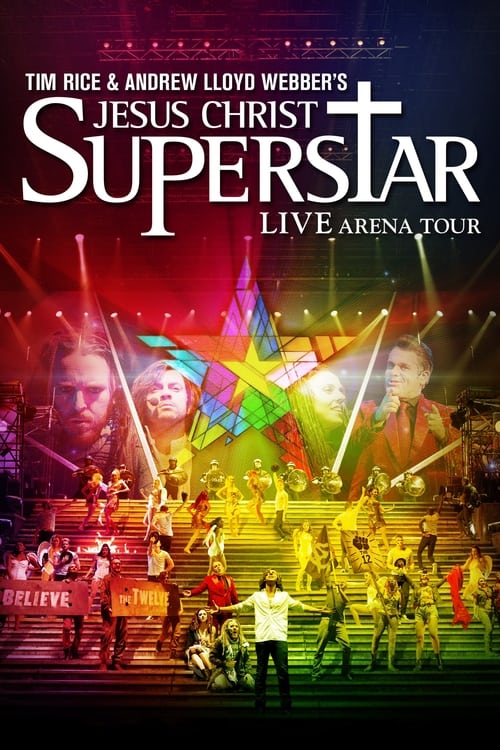
This contemporary re-imagining of Andrew Lloyd Webber and Tim Rice's legendary rock musical Jesus Christ Superstar presents the story of the last seven days of Christ leading up to his crucifixion as seen through the eyes of Judas Iscariot. Filmed as an arena rock opera, the performance features a star-studded line-up which includes award-winning musical comedian, Tim Minchin as the role of Judas Iscariot; pop icon and former Spice Girl Melanie C as Mary Magdalene; radio DJ Chris Moyles in his stage debut as King Herod; and Ben Forster, to take on the title role of Jesus.