
User Score
2 votes
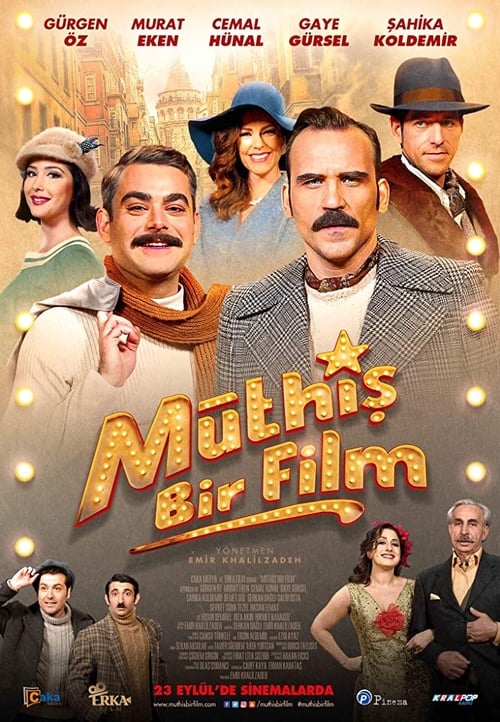
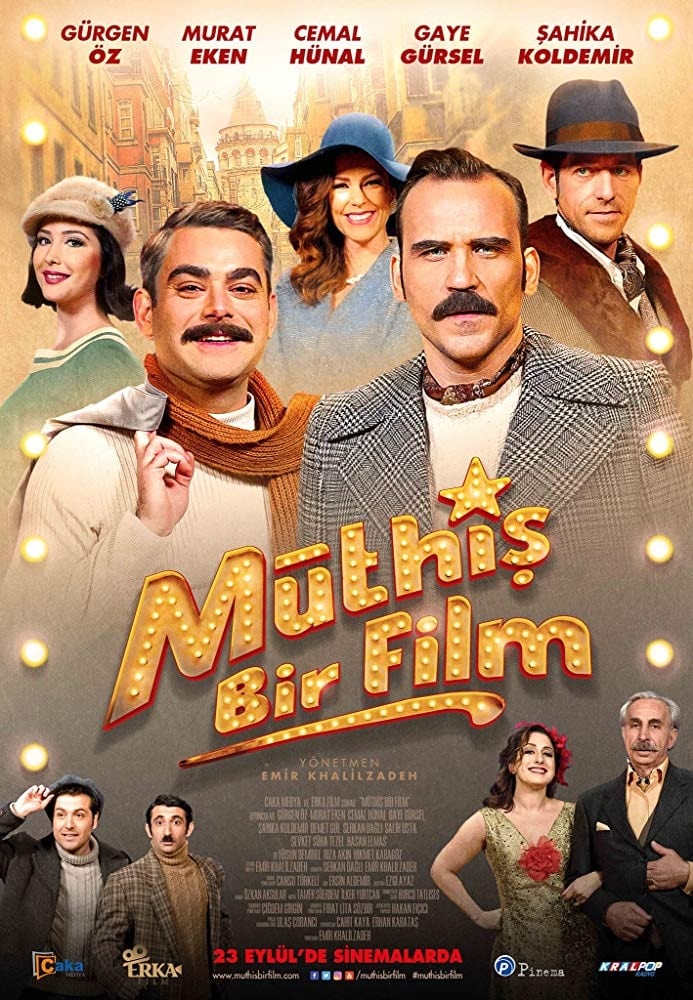
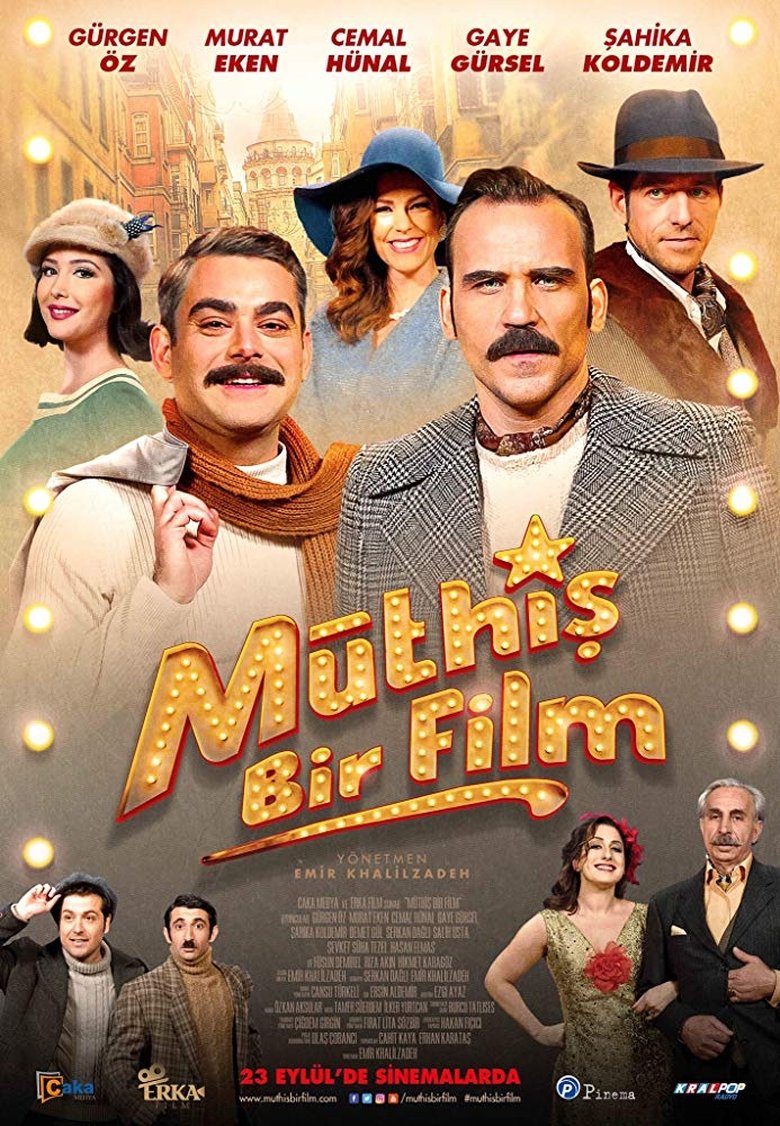
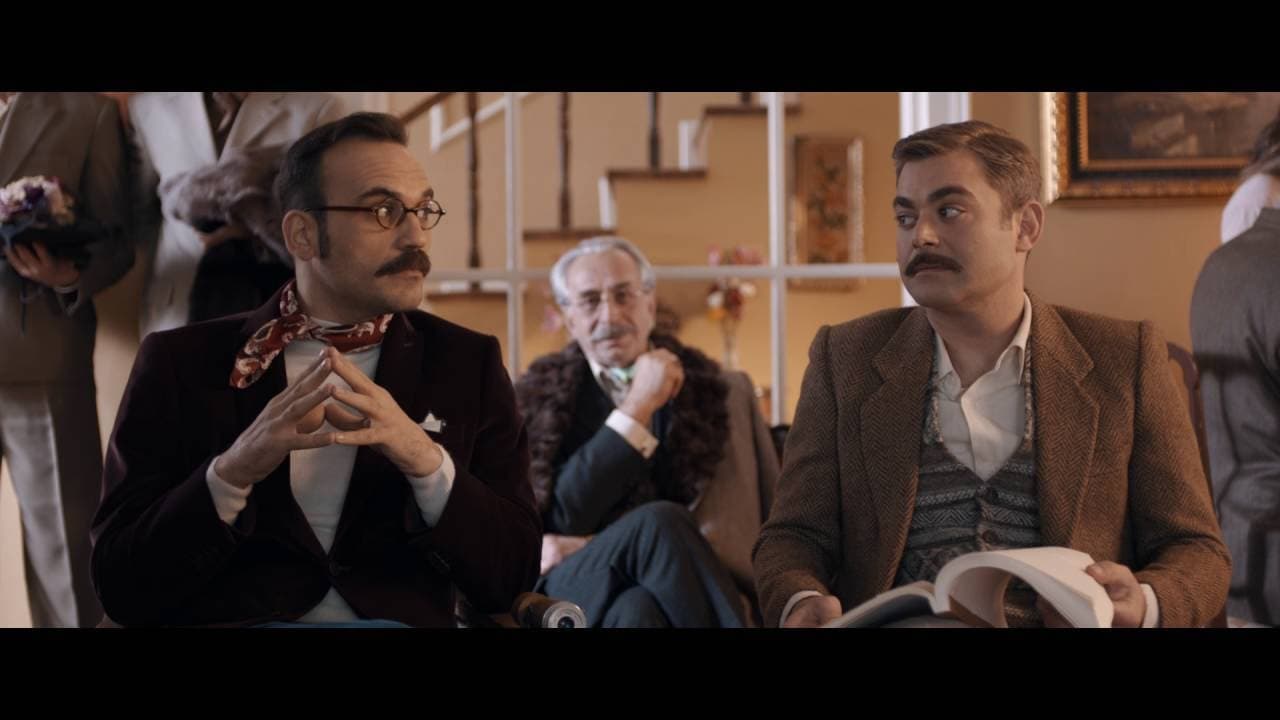
Ali Kemal and Vahi, two childhood friends striving to realize their dreams, aim to make a Yeşilçam film. Although the two friends, who devoted themselves to their work during Yeşilçam's most dynamic and popular period, thought their task would be easy, as they became more familiar with the industry, they realized that it was a much more complex and large-scale system.
Status
Released
Original Language
TR

A film director gathers his favorite actresses, those he worked with and those he loved. He wants to make a film about women but he doesn’t reveal much: he observes them, takes cue, until his imaginary throw them into another era, in a past where the noise of the sewing machines fills a workplace handled and populated by women, where men have minor and marginal roles and cinema can be told from another point of view: the one of costume. Between loneliness, passions, anxieties, heartbreaking absence and unbreakable bonds, reality and fiction permeate, as well as the lives of the actresses and those of the characters, the competition and the sisterhood, the visible and the invisible.

Alma’s family has been producing quality olive oil in the Baix Maestrat area of Spain’s Castellón for generations. Yet changing pressures in the industry have made their traditional practices economically untenable, and the family is now in the mass-production poultry business. Alma’s grandfather has not spoken in years. Sadness envelopes him, and he no longer wants to eat. His sons—Alma’s father and uncle—are impatient with him, but Alma understands her grandfather. She realizes he has been grieving for a thousand-year-old olive tree that the family has uprooted and sold to pay some debts. (A sadly common reality in Castellón at present.) Unable to bear the idea that her grandfather could die without seeing this terrible wrong corrected, Alma undertakes a quixotic mission to locate the tree and return it to the family orchard, so that her grandfather may have peace in his final days.