
User Score
2 votes
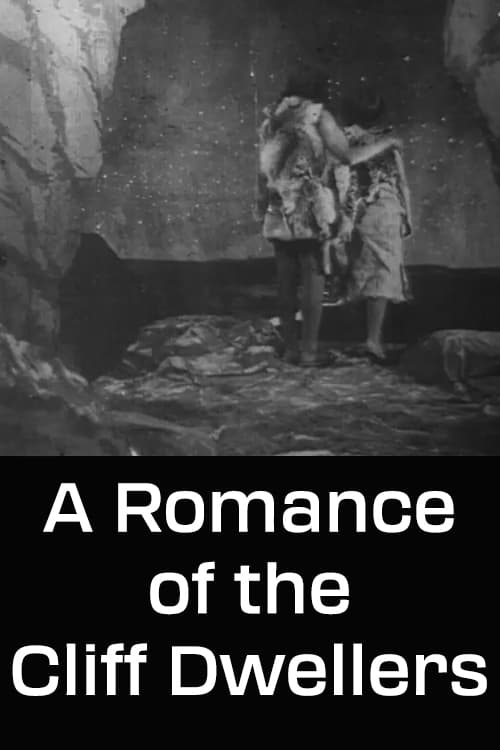
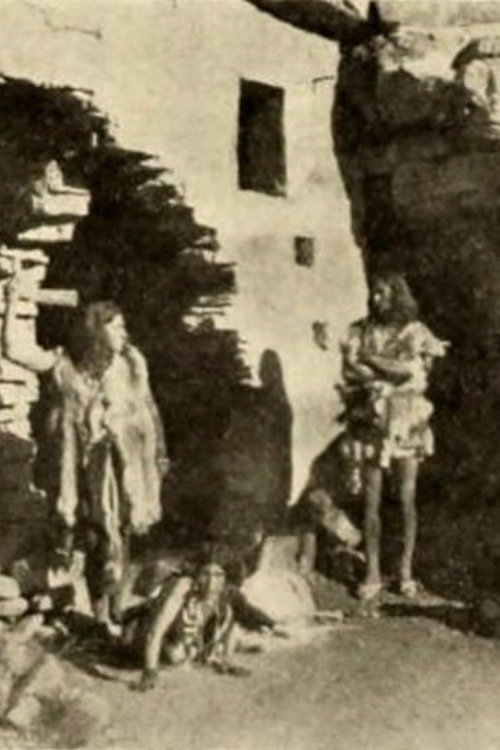
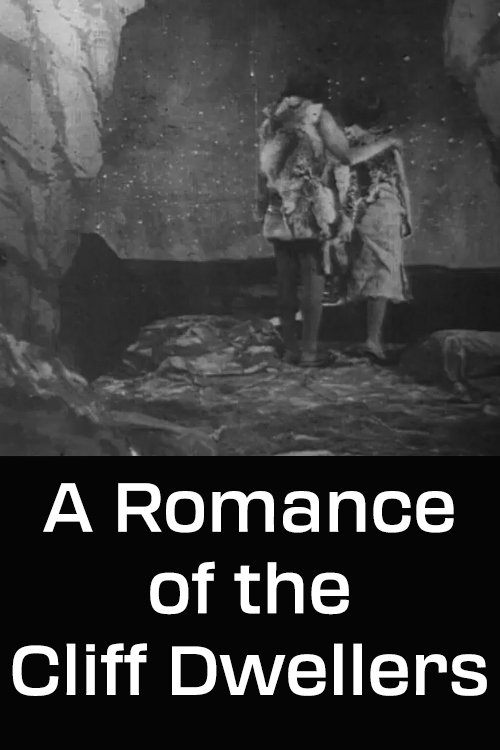
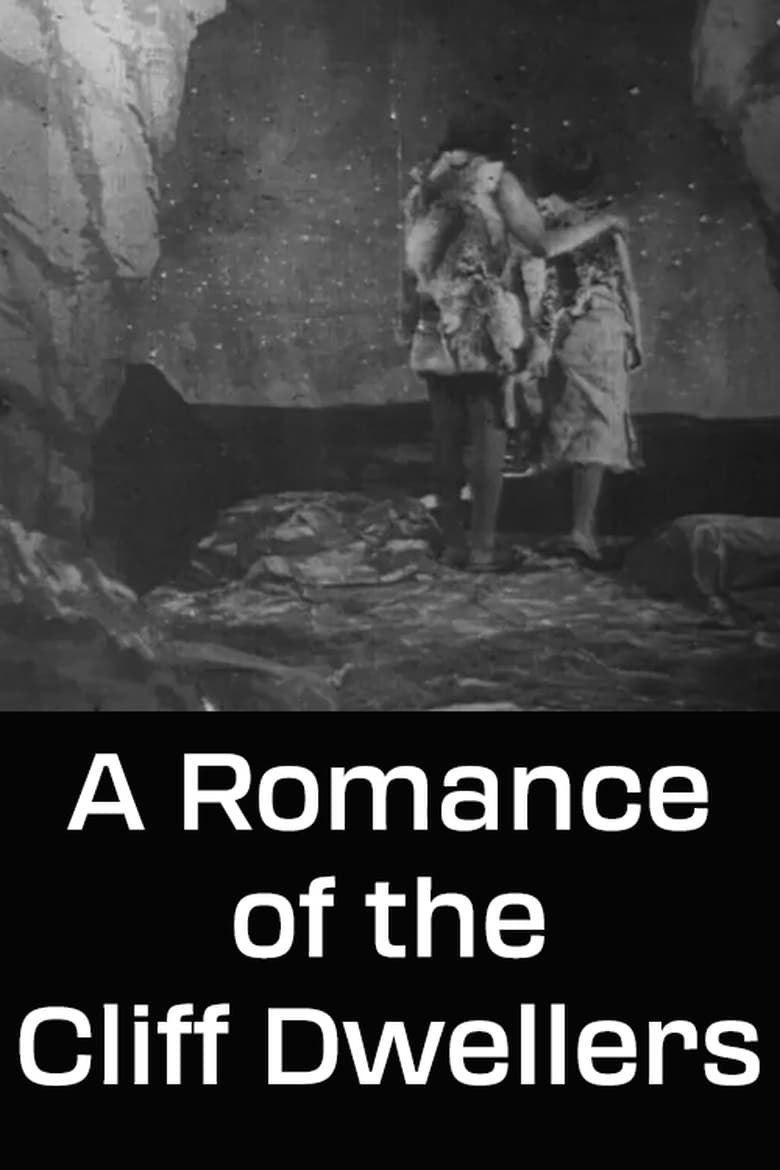
The story itself deals with the primitive instinct of mankind; to desire was to take at strength of arms, and thus one of the chiefs chose for his own a maiden fair who was loved in turn by a young brave, and whose admiration she returned. But like unto the dark ages, whenever a man desired a maid he took her with or without her leave. Thus far did the chief go, but her lover decides to match his strength of arms for so fair a bride, and they fight upon the cliff's edge. But here the maid takes up the bow of fate and sends an arrow into the heart of her captor. Thus the two forest lovers are united, but a life for a life is the law of their race and the lover is brought to the council chamber and tried before his kinsmen. To shield the woman he loves he remains silent.
Director
Status
Released
Original Language
EN
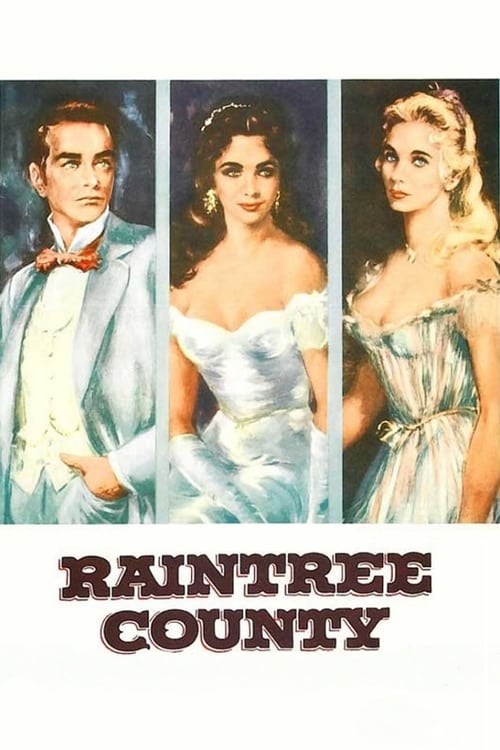
In 1859, idealist John Wickliff Shawnessey, a resident of Raintree County, Indiana, is distracted from his high school sweetheart Nell Gaither by Susanna Drake, a rich New Orleans girl. This love triangle is further complicated by the American Civil War, and dark family history.