
User Score
1 votes
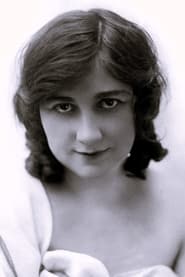
This Cinderella is up to date. She and her sister Jane receive an invitation to a reception. Jane, selfish and arrogant, is carried away with her own vanity and anticipation of making a "hit" and being the belle of the evening. Cinderella, her sister, looks at her simple and ordinary drew, which is the best of her limited wardrobe, and says she will have to wear it or stay at home. Jane says she will look like a "frump," and be out of place, anyway. Poor Cinderella decides to remain at home. Mrs. Marvin, an elderly visitor, happens into the room and Cinderella, always kind and thoughtful, makes the old lady comfortable. She is attracted to the display of Jane's finery and asks the reason. Cinderella tells her all about the reception.
Status
Released
Original Language
EN
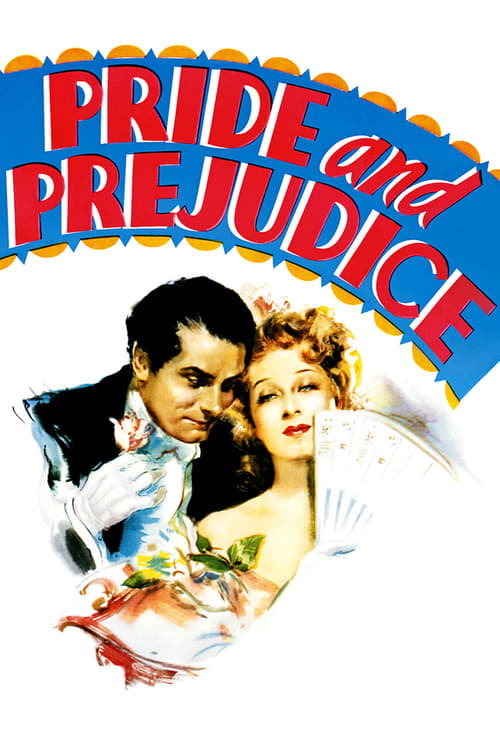
In early 19th century England, Mr and Mrs Bennet's five unmarried daughters vie for the affections of rich and eligible Mr Bingley and his status-conscious friend, Mr Darcy, who have moved into their neighbourhood. While Bingley takes an immediate liking to eldest daughter Jane, Darcy has difficulty adapting to local society and repeatedly clashes with second-eldest Elizabeth.