
User Score
0 votes
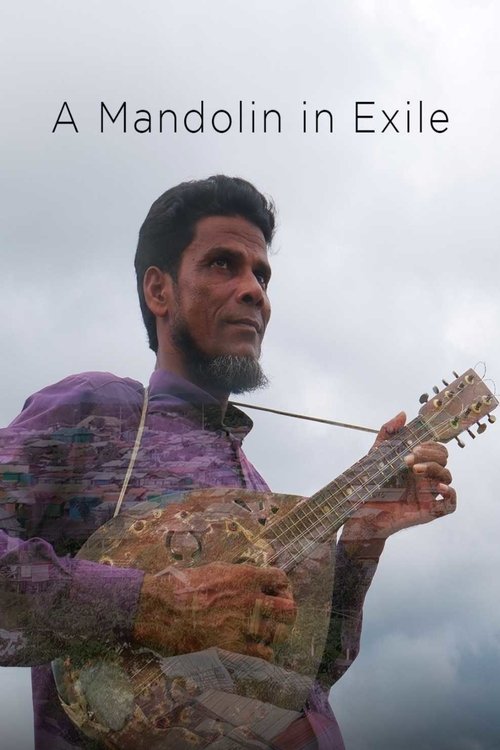
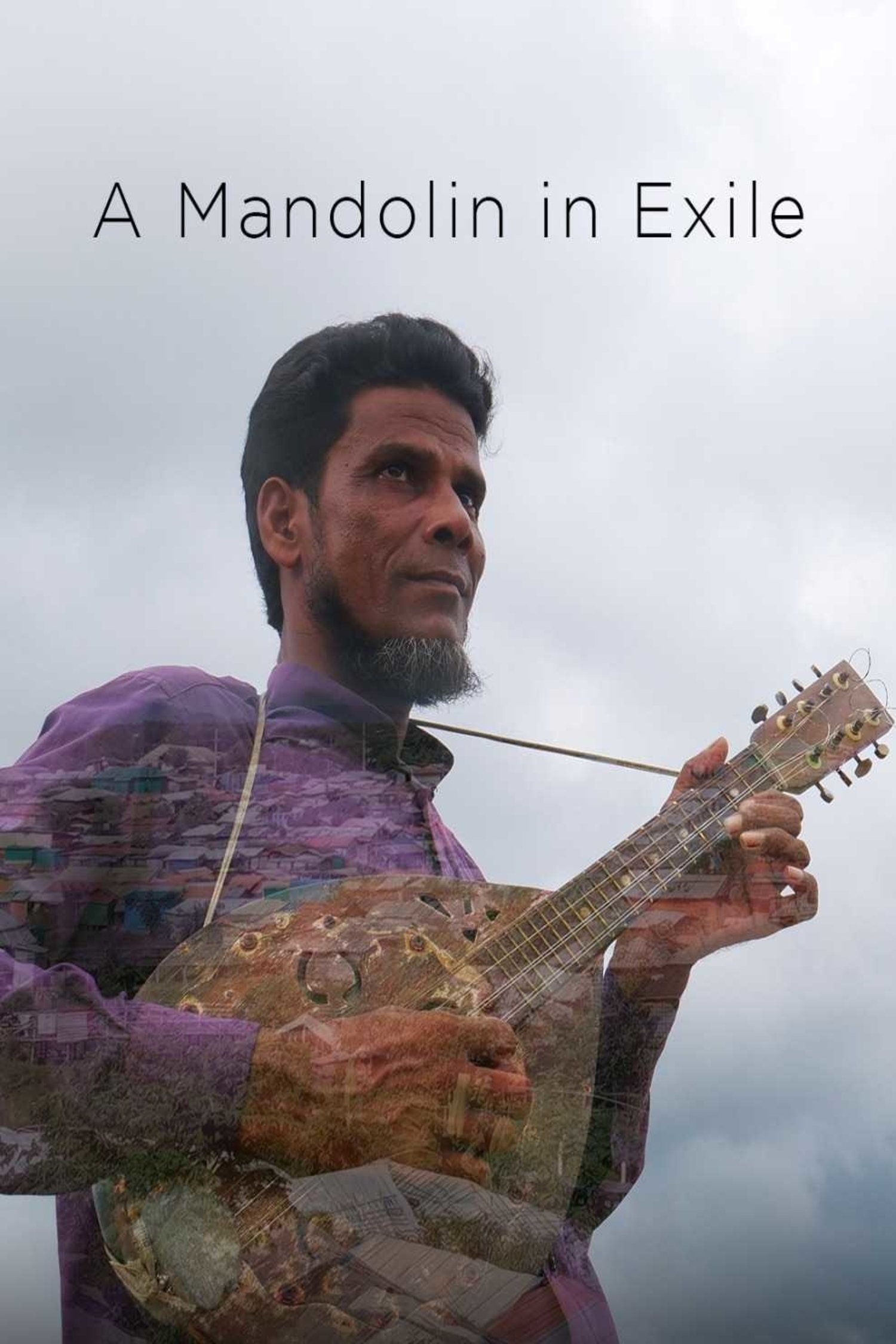
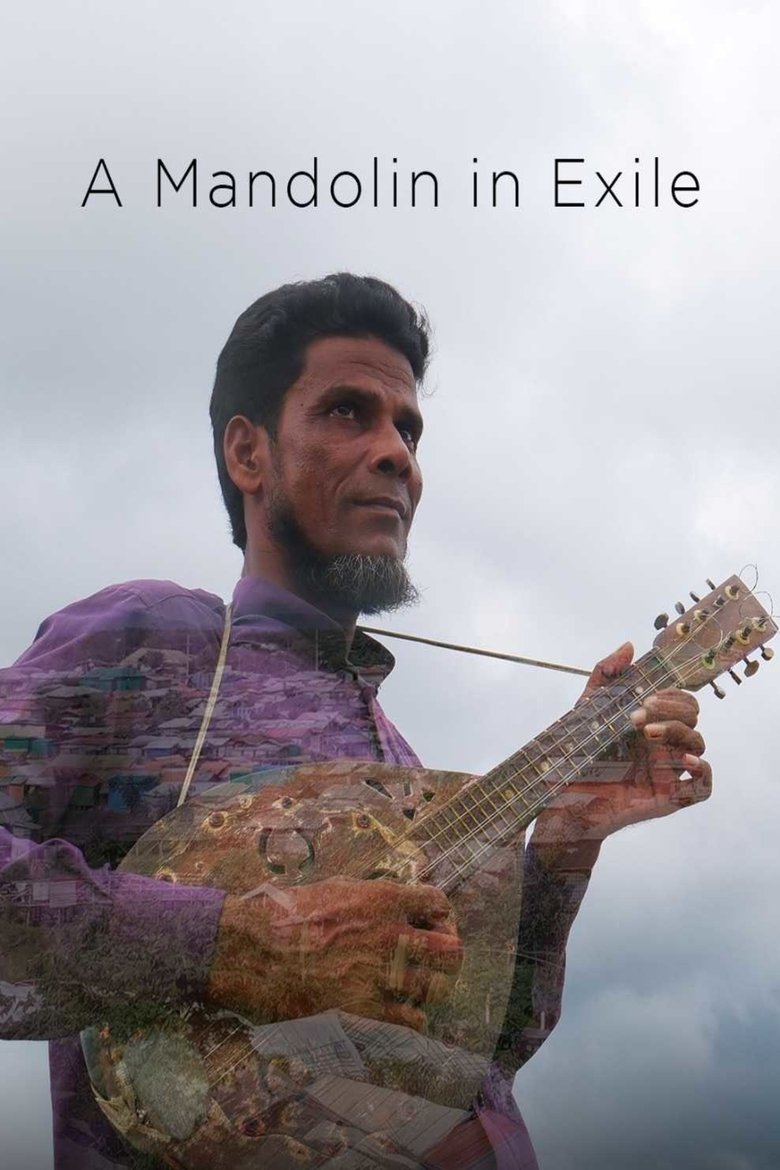
The Modhurchora Refugee Camp, in Cox's Bazar, Bangladesh, is the largest of its kind in the world, where millions of Rohingya refugees are confined. In this hopeless land, filled with the extreme despair of existential struggle, a ray of hope is lit by a lone native musician. Mohammad (Ahmed) Hossain, the 'Mandolin man' took refuge here with millions of Rohingya people due to fear, threats and massacres carried out by Myanmar military forces since August 2017. Hossain is a passionate musician. He used to compose songs that combined the everyday realities of his people and expressed their hopes through the voice of the accompanying Mandolin. Among the Rohingya Muslim community, the practice of music is prohibited by religion.
Director
Status
Released
Original Language
BN
When Allied forces liberated the Nazi concentration camps in 1944-45, their terrible discoveries were recorded by army and newsreel cameramen, revealing for the first time the full horror of what had happened. Making use of British, Soviet and American footage, the Ministry of Information’s Sidney Bernstein (later founder of Granada Television) aimed to create a documentary that would provide lasting, undeniable evidence of the Nazis’ unspeakable crimes. He commissioned a wealth of British talent, including editor Stewart McAllister, writer and future cabinet minister Richard Crossman – and, as treatment advisor, his friend Alfred Hitchcock. Yet, despite initial support from the British and US Governments, the film was shelved, and only now, 70 years on, has it been restored and completed by Imperial War Museums under its original title "German Concentration Camps Factual Survey".