
User Score
9 votes
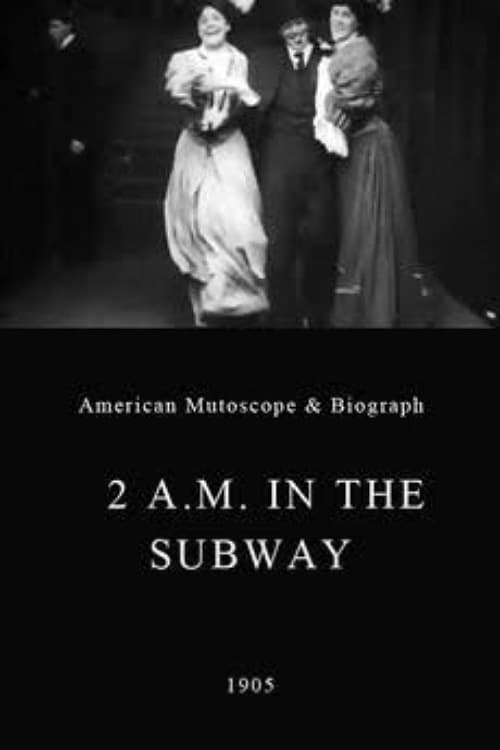
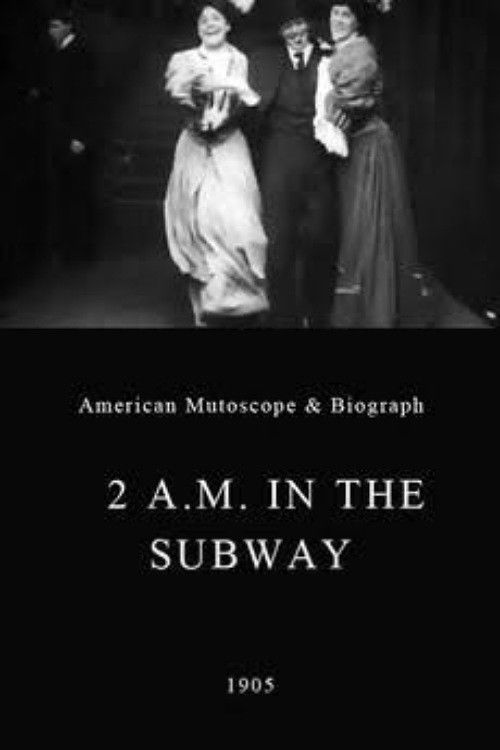
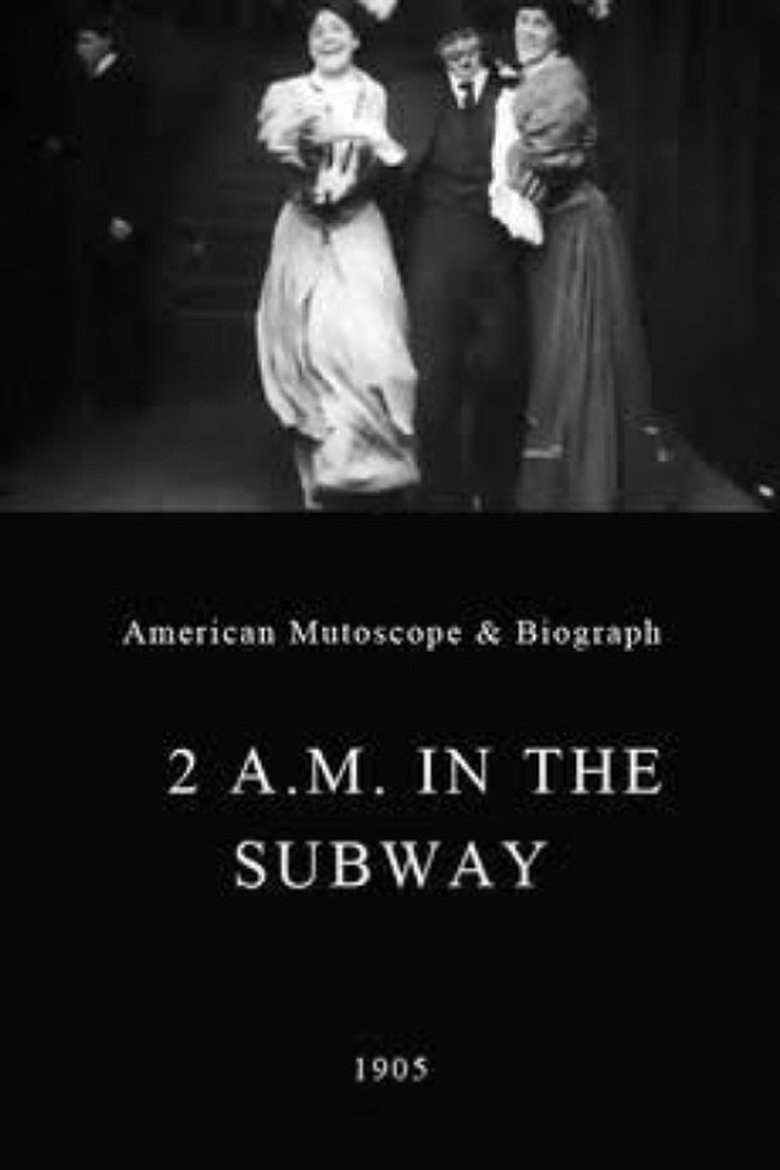
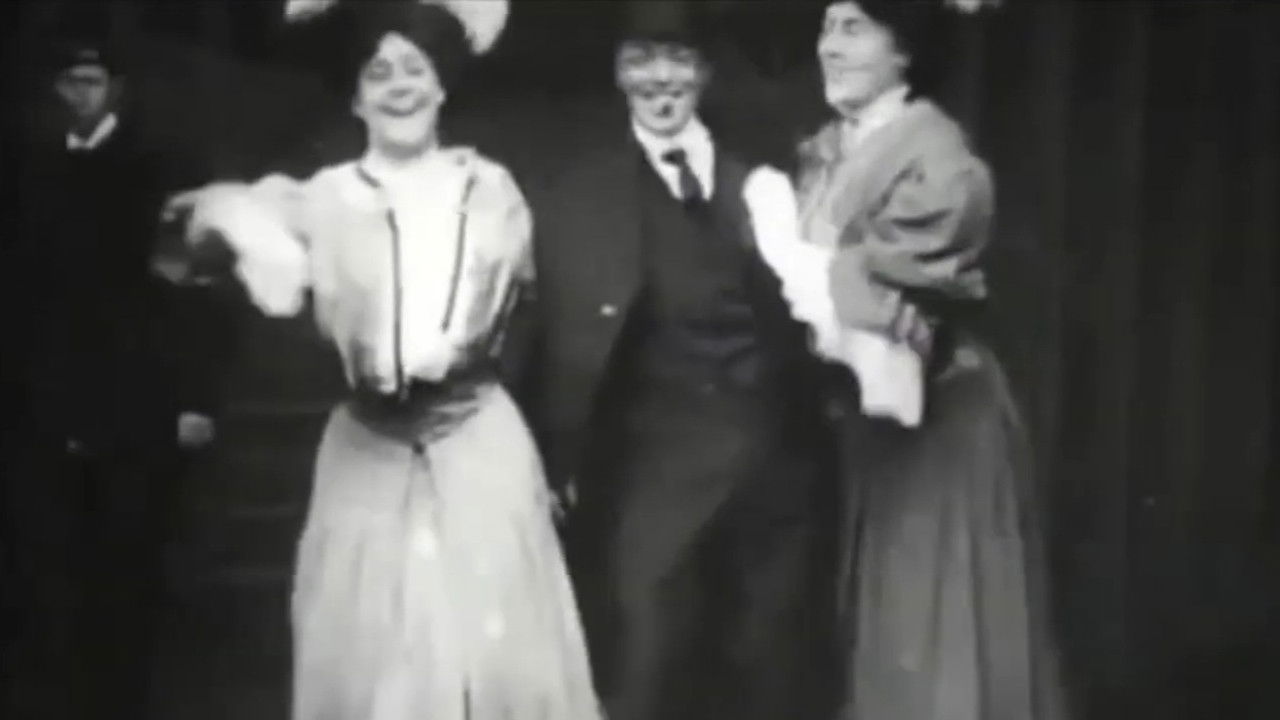
A constable and a subway attendant are working late at night in an underground station when a well-dressed man with a cigar in his teeth enters with his arms around two women dressed in long skirts and jackets, gloves, and fancy hats. The trio laugh and stumble on the platform as if having a hilarious time, getting the attention of the policeman who attempts to stop their bawdy behavior.
Status
Released
Original Language
EN

Roughly chronological, from 3/96 to 11/96, with a coda in spring of 1997: inside compounds of Aum Shinrikyo, a Buddhist sect led by Shoko Asahara. (Members confessed to a murderous sarin attack in the Tokyo subway in 1995.) We see what they eat, where they sleep, and how they respond to media scrutiny, on-going trials, the shrinking of their fortunes, and the criticism of society. Central focus is placed on Hiroshi Araki, a young man who finds himself elevated to chief spokesman for Aum after its leaders are arrested. Araki faces extreme hostility from the Japanese public, who find it hard to believe that most followers of the cult had no idea of the attacks and even harder to understand why these followers remain devoted to the religion, if not the violence.

Hello explores changes in two people’s working lives: a Mexican trash picker who separates and collects recyclable materials from landfills to sell by the kilo, and a German freelance computer-animation designer working for the advertising industry in Berlin. The double interview is controlled and manipulated by a computer-generated severed hand which Maria describes as an object once discovered in the trash while working in the violent northern town of Mexicali. This CGI hand was in turn produced by Max, who was born with no arms, and sought refuge in computer-imaging as a means to operate and manipulate a digital reality.