

User Score
0 votes
In 1821, in Cinema, he records the cinematic representations of the Revolution from the first decades of the 20th century. until the present day. Despite the fact that the Revolution of 1821 constitutes the founding act of the modern Greek state, as a subject matter it is underrepresented in national film production. This is one of the points on which the research looks, which simultaneously examines the periods of concentration of films on the subject of the Revolution or, respectively, the periods of its collective silence. The purpose of the documentary is to study the ideological discourse and the cinematic language of the films with the theme of 1821, in order to highlight the function of the cinema as a carrier of Public History and as a factor in shaping the collective historical consciousness.
Director
Director
Writer
Writer
Status
Released
Original Language
EL

(archive footage)
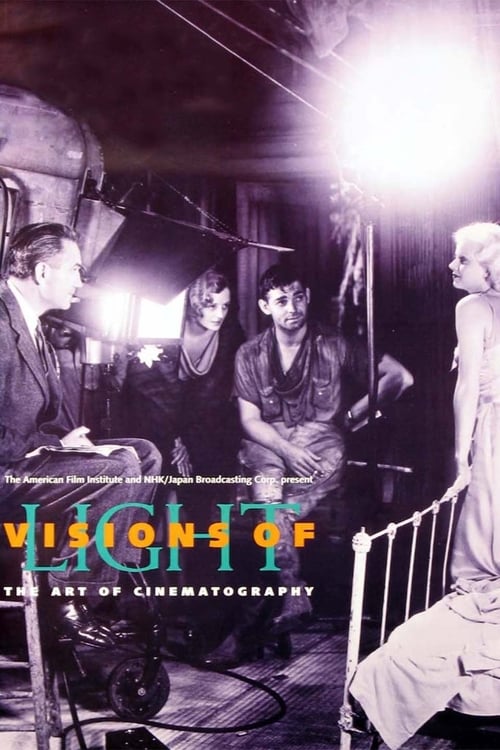
Cameramen and women discuss the craft and art of cinematography and of the "DP" (the director of photography), illustrating their points with clips from 100 films, from Birth of a Nation to Do the Right Thing. Themes: the DP tells people where to look; changes in movies (the arrival of sound, color, and wide screens) required creative responses from DPs; and, these artisans constantly invent new equipment and try new things, with wonderful results. The narration takes us through the identifiable studio styles of the 30s, the emergence of noir, the New York look, and the impact of Europeans. Citizen Kane, The Conformist, and Gordon Willis get special attention.