User Score
1 votes
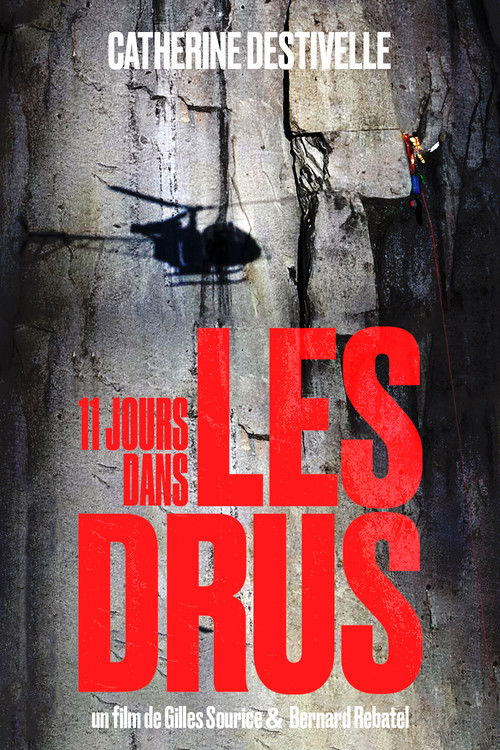
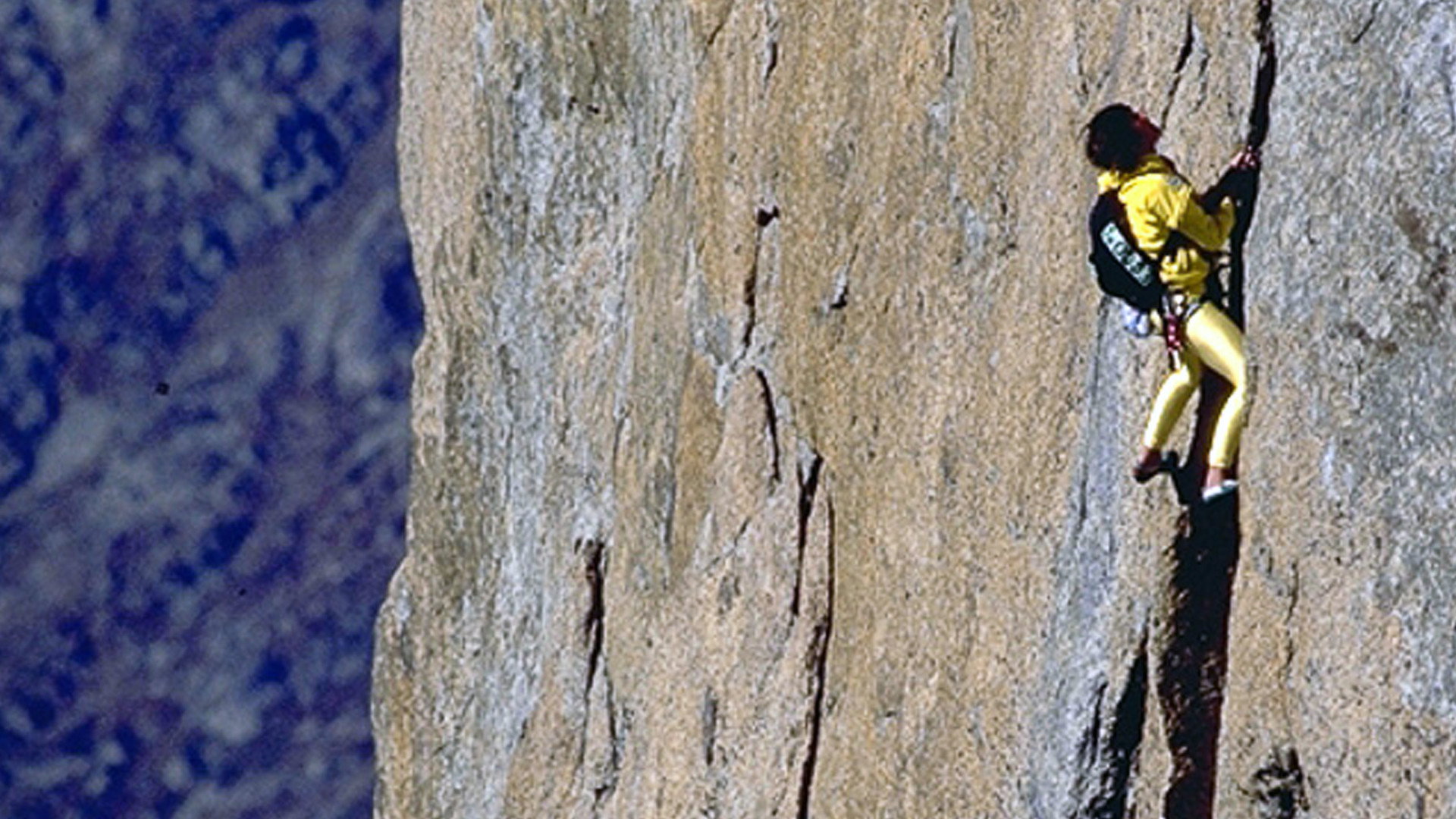
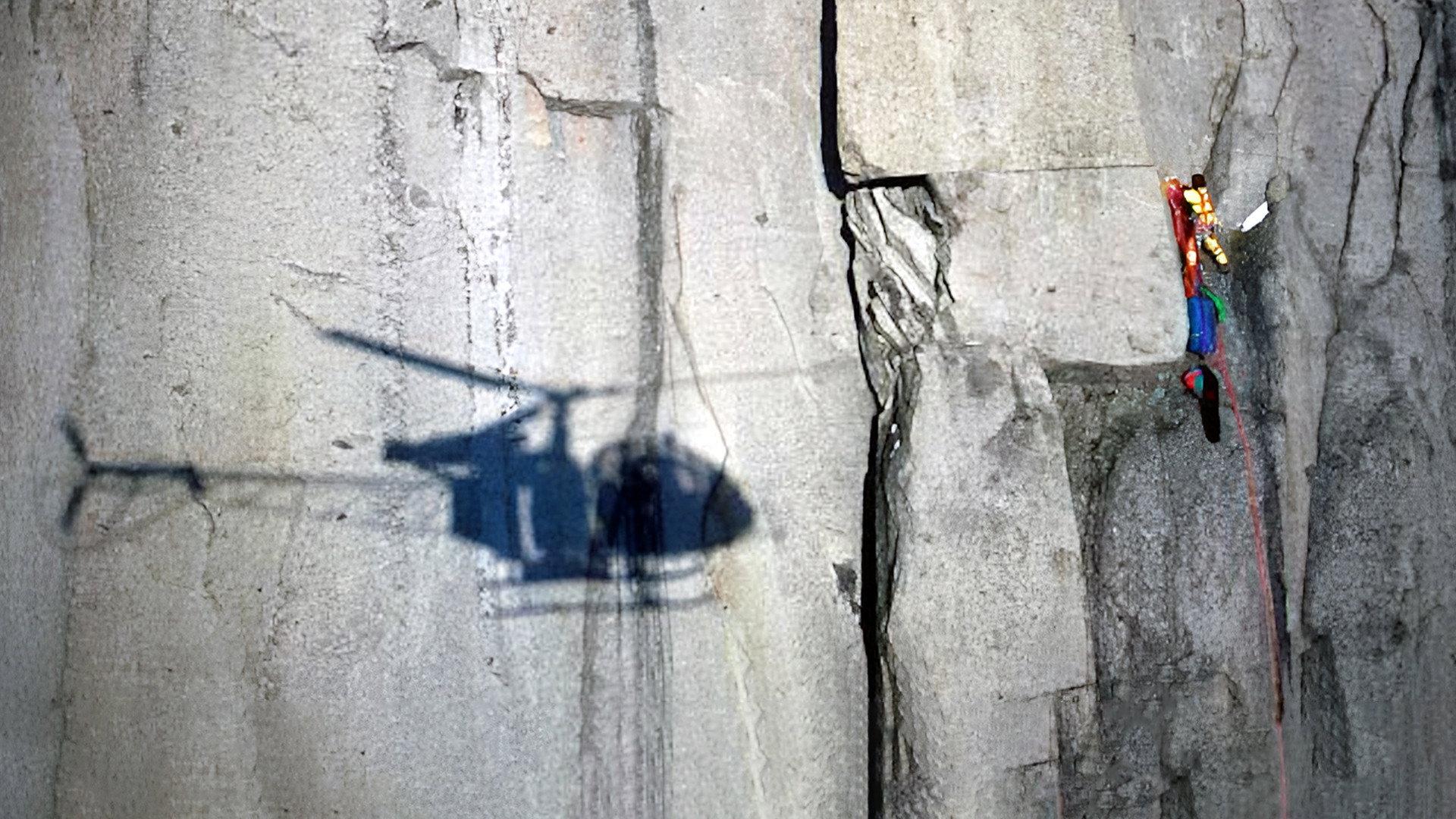
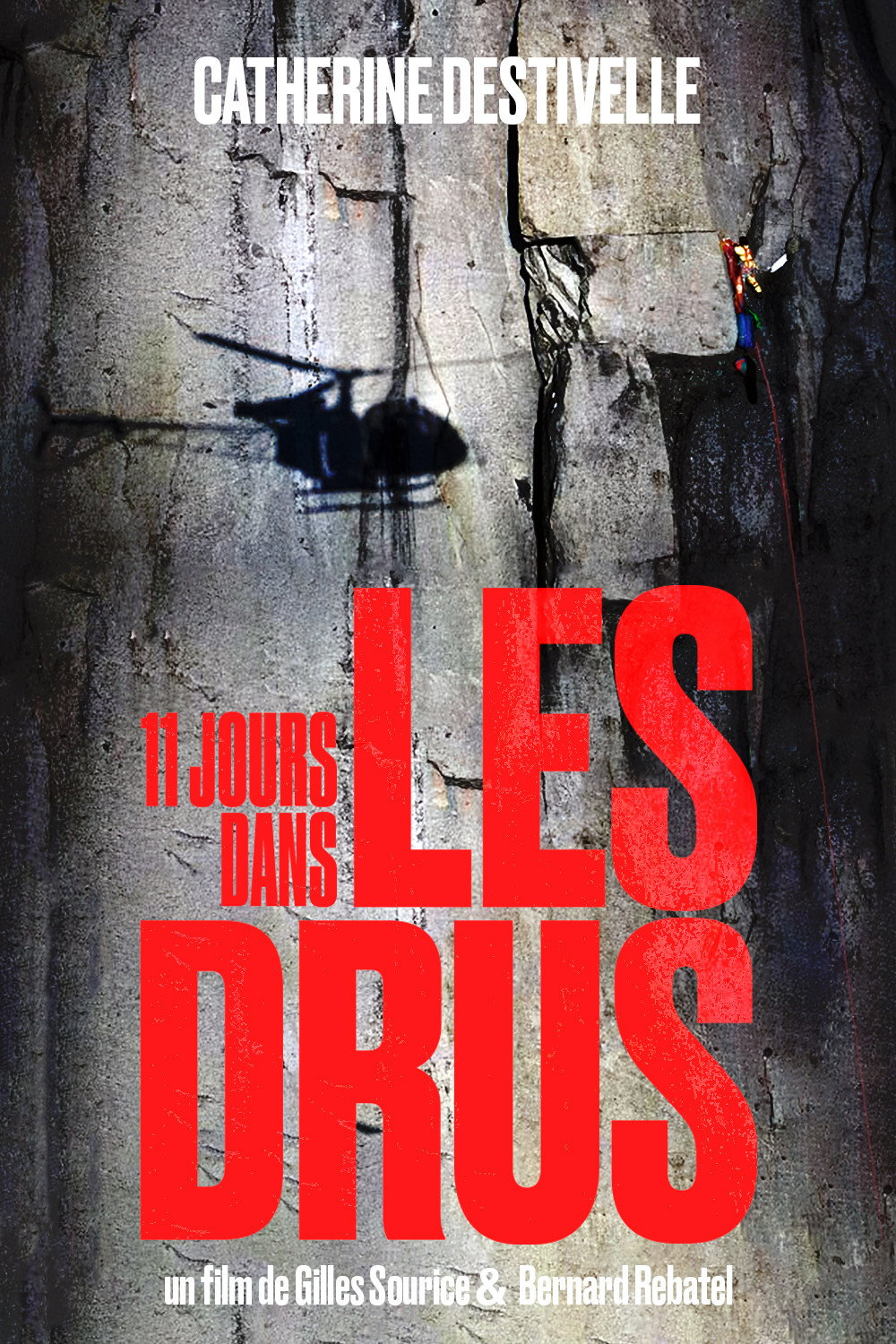
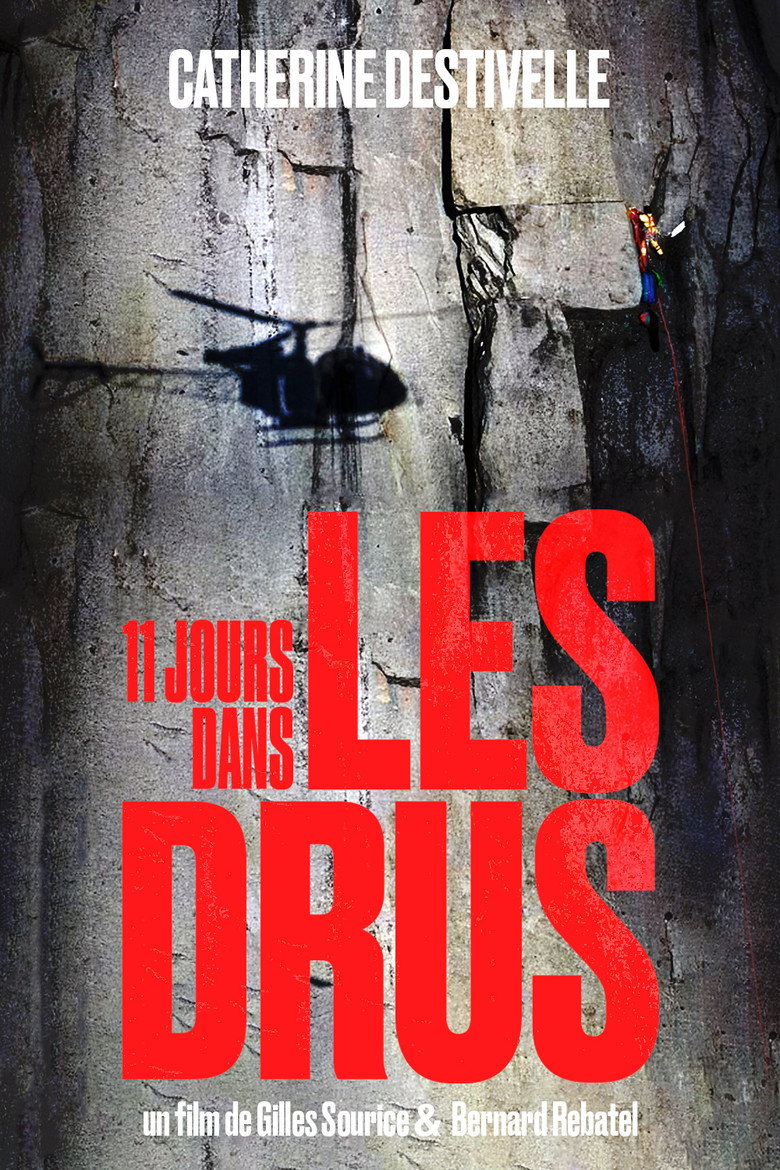
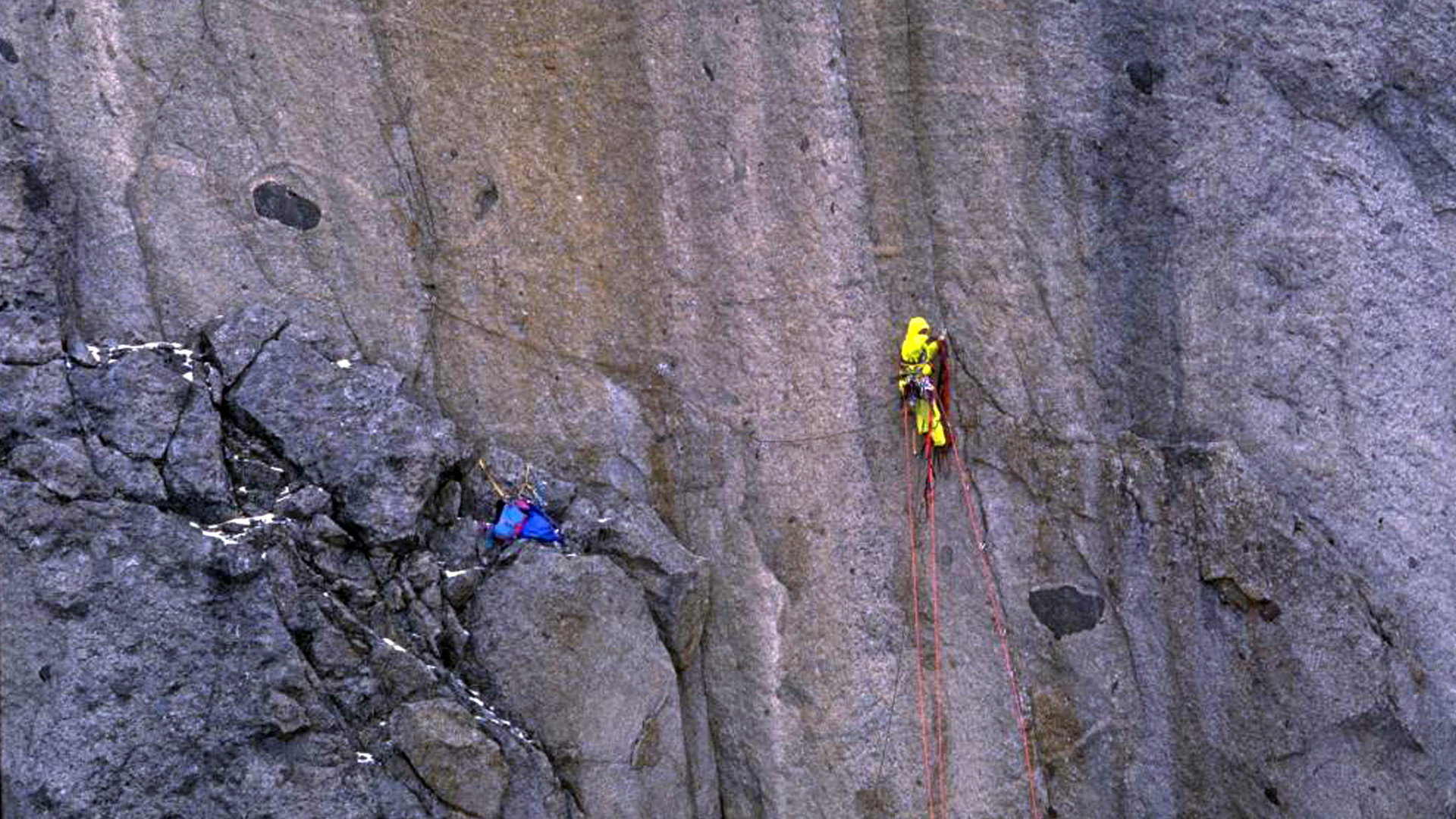
At 31, and with four world climbing championship titles to her name, Catherine Destivelle had already amassed numerous mountaineering achievements, notably the ascent of the Trango Tower in the Karakoram and the Bonatti Pillar on the Drus. On June 24 and July 4, 1991, she attempted to open a new route on the notoriously difficult west face of the Drus: alone, unsupported, and carrying 80 kilos of equipment. After 11 days and 11 nights battling the cold and the rock, on July 4, 1991, Catherine Destivelle reached the summit of the Drus. Following this solitary odyssey on one of the most beautiful faces in the Alps, the climbing star became a renowned mountaineer. Today, despite this line having disappeared in the major collapses of the Drus in the 2000s, Catherine Destivelle will become the first woman to have climbed the three great north faces of the Alps: the Grandes Jorasses, the Matterhorn and the Eiger – solo.
Director
Director
Status
Released
Original Language
FR
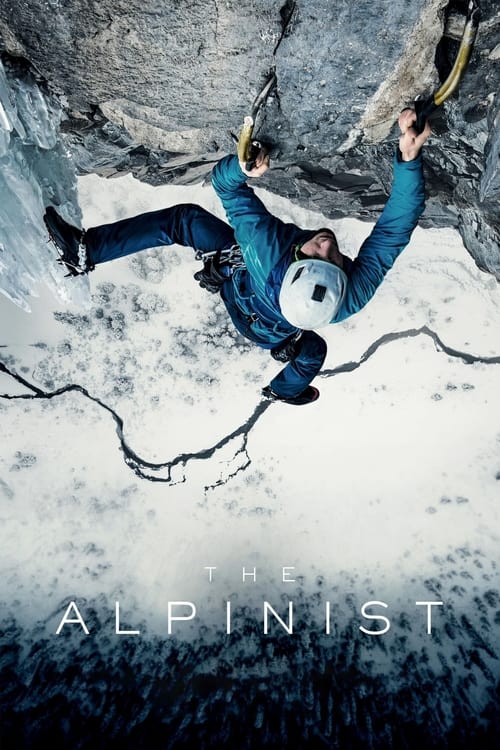
Marc-André Leclerc, an exceptional climber, has made solo his religion and ice his homeland. When filmmaker Peter Mortimer begins his film, he places his camera at the base of a British Columbia cliff and waits patiently for the star climber to come down to answer his questions. Marc André, a little uncomfortable, prefers to return to the depths of the forest where he lives in a tent with his girlfriend Brette Harrington. In the heart of winter, Peter films vertiginous solos on fragile ice. He tries to make appointments with the climber who is never there and does not seem really concerned by this camera pointed at him "For me, it would not be a solo if there was someone else" . Marc-André is thus, the "pure light" of the mountaineers of his time, which marvel Barry Blanchard, Alex Honnold or Reinhold Messner, interviewed in the film. An event film for an extraordinary character.